Thailand Expat News: 450-Baht Entry Fee Nears Approval
A proposed 450-baht charge on almost every foreign arrival — funding visitor insurance, tourism upgrades and more — clears public consultation on 28 September. Here is what is actually confirmed, what is still just a proposal, and who it hits hardest.
Thailand's Ministry of Tourism and Sports confirms the 450-baht entry fee is still a proposal, not law. The public hearing that opened 24 August closes 28 September 2026, after which the plan returns to the National Tourism Policy Committee, then Cabinet, before any implementing regulation is drafted. No collection start date has been set. Nobody should pay this fee yet, and anyone asking you to is not an official channel.
Bangkok — If you keep half an eye on Thailand expat news, this week's story is not another change to the 30-day visa exemption or a new stamp rule at the airport. It's a fee — 450 baht, a little under 15 US dollars — that Thailand's Ministry of Tourism and Sports wants to charge almost every foreigner who enters the country, whether you land at Suvarnabhumi on a tourist exemption, a Non-O retirement extension run, or a DTV visa re-entry. The public hearing on the plan closes this Monday, 28 September, which makes now the moment to understand it — not because it is about to hit your wallet at check-in next week, but because the version that eventually passes could look different from the one on the table today.
The idea itself is not new. Versions of a Thailand tourist entry fee have circulated since 2022, been delayed at least three times, and briefly collapsed under industry pushback each time. What's different this round is the specificity: a named number, a named fund, a named consultation deadline, and named officials putting their titles behind it. That is further than any previous attempt got.
What the 450 baht actually pays for
According to the Ministry's public hearing documents, the fee feeds a Tourism Promotion Fund earmarked for six things: visitor accident and health insurance, renewal of tourist infrastructure and destinations, environmental restoration in over-visited areas, tourism workforce training and research, promotion campaigns, and support for local communities in tourism areas. The insurance component is the one worth understanding if you live here: Thailand's government currently absorbs an estimated 7 billion baht a year in unpaid medical bills run up by foreign nationals, mostly tourists injured or taken ill with no cover of their own. The fee is designed to convert that into a self-funding pool rather than a hospital write-off — the same logic behind the mandatory O-A retirement visa insurance rule that has applied since 2019, just applied at the border instead of at the visa counter.
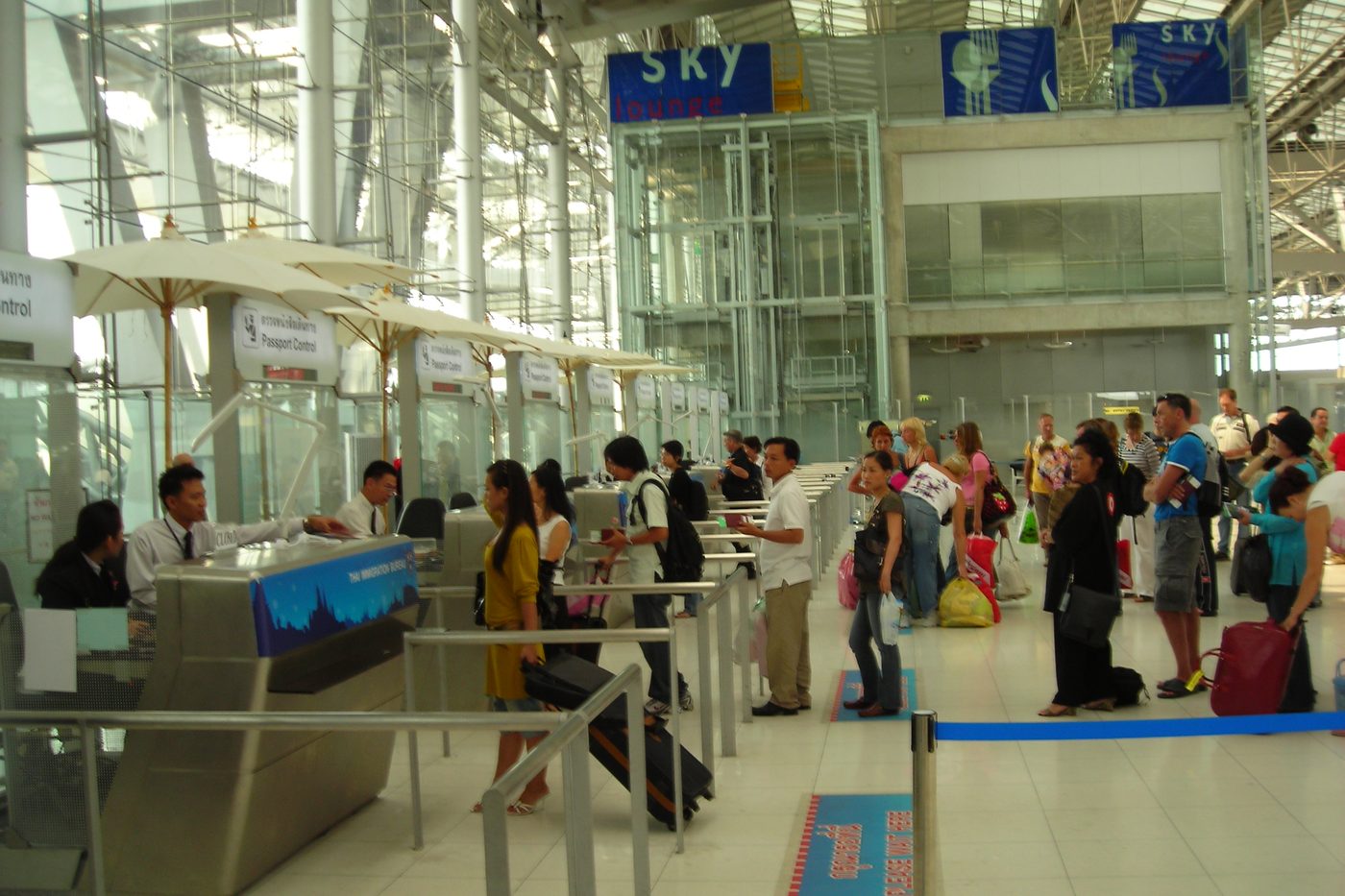
Who pays, and who is walking straight past this
This is the detail most general Thailand expat news coverage skips: the exemption list matters more than the headline number for anyone actually living in Thailand. Royal and official government guests, diplomatic and official passport holders, border-pass holders, transit passengers, crew, and children under two are all carved out — unsurprising, standard stuff. The exemption that matters here is foreign work permit holders, who are excluded entirely. That single line means the fee is aimed squarely at people entering on a visa-exempt stamp, a tourist visa, or most long-stay categories that don't come bundled with a Thai work permit — which is most retirees, most DTV holders, most Thailand Elite members, and every visa-exempt short-term visitor. One payment is proposed to cover multiple entries and exits within a 30-day window, provided the traveller stays within that insurance-linked coverage period, which softens the blow for anyone doing a genuine border run rather than a one-way arrival.
| Category | Pays the fee? | Notes |
|---|---|---|
| Tourist / visa-exempt entry | Yes | Core target of the proposal |
| DTV, Non-O, O-A, LTR, Elite holders | Yes | No blanket exemption for long-stay visas |
| Foreign work permit holders | No | Fully exempt |
| Diplomatic / official passports | No | Fully exempt |
| Transit passengers & crew | No | Fully exempt |
| Children under 2 | No | Fully exempt |
Why 450, and not the number the study actually found
Natthriya Thaweevong, the Ministry's Permanent Secretary for Tourism and Sports, has said the underlying study found an economically justifiable rate above 490 baht, but officials rounded down to 450 specifically to avoid overburdening visitors during a period when Thailand is already competing hard on price against Vietnam and other regional destinations. Tourism Minister Surasak Phancharoenworakul has framed the fund in blunter terms, warning that "without such a fund, Thailand's tourism is approaching saturation or decline" — language aimed at an industry that has spent three years lobbying against exactly this kind of charge. Not everyone in the room agrees on execution: former tourism minister Weerasak Kowsurat has publicly pushed for an "open government" oversight model with independent monitoring of how the roughly 10 billion baht in projected annual revenue actually gets spent, a pointed comment on Thailand's track record with earmarked tourism funds.
The exemption that matters isn't the diplomat or the toddler. It's the work permit. Everyone else keeps paying, every time they cross the border.
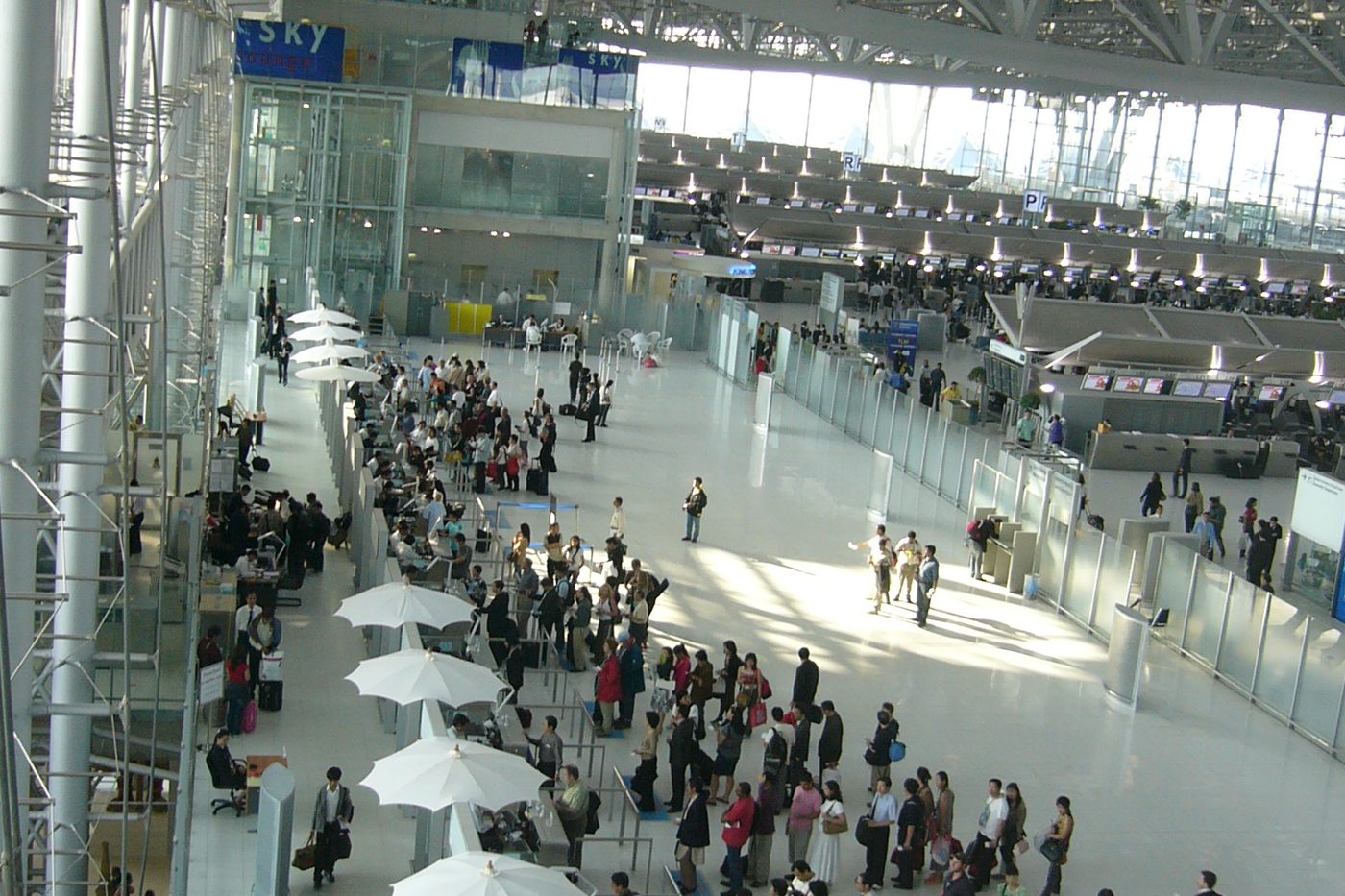
When it would actually start — and why "2026" is misleading
Nothing about this fee applies in 2026, whatever a headline implies — and this is where a lot of Thailand expat news roundups get the timeline wrong by conflating "proposed" with "confirmed." The Ministry's own timeline has air arrivals collection beginning 180 days after the enabling regulation is published in the Royal Gazette, which officials are targeting for the first quarter of 2027 at the earliest — and that assumes the September 28 consultation produces no major revisions, the National Tourism Policy Committee approves it without delay, and Cabinet signs off promptly, none of which is guaranteed given this proposal's history of slipping. Land and sea border crossings would follow roughly 360 days after air arrivals go live, meaning anyone doing visa runs through Poipet, Sadao or similar land crossings has a longer runway than air travellers before the charge reaches them, if it reaches them at all in its current form.
What it means if you actually live here
For anyone doing the sums on moving to Thailand or budgeting an existing long stay, 450 baht is not the number to lose sleep over — it's roughly the cost of two plates of pad kra pao, and it is not close to being law. The number worth remembering is how it stacks against your visa strategy. If your plan already involves periodic exits and re-entries — a 30-day exemption stamp renewed every month, a DTV holder popping to Laos to reset the clock, an annual Non-O extension run to a neighbouring country and back — this fee adds a small, recurring cost to a pattern you're already following, not a new expense category. If you're weighing whether to finally commit to a longer-term route like an LTR visa or a Thailand Elite membership specifically to stop crossing borders, this is one more small data point in that column, alongside the bigger ones like the 30-day exemption cut that already reshaped Thailand long stay planning this month.
The bigger practical takeaway from this Thailand expat news cycle is procedural, not financial: nothing is confirmed, the number could still move before Cabinet sees it, and the implementation date is a year or more out even in the optimistic case. Treat any website, agent or airport tout asking for "entry fee payment" before an official Royal Gazette announcement as a scam, full stop.
Thailand expat news key takeaways — 25 September 2026
- Still a proposal. Public consultation closes 28 September 2026; Cabinet has not approved anything yet.
- 450 baht (≈US$13–15) per entry, covering multiple entries/exits within 30 days under one payment.
- Work permit holders are exempt. Retirees, DTV, LTR and Elite visa holders currently are not.
- Air arrivals go first, targeted for roughly Q1 2027; land and sea crossings follow about a year later.
- Funds visitor insurance and infrastructure, aimed at Thailand's ~7 billion baht a year in unpaid foreign medical bills.
- No fee is due today. Anyone asking you to pay an "entry fee" right now is not an official source.
For the visa side of this story rather than the fee side, our 30-day visa exemption guide and DTV visa guide cover the entry rules this fee would sit alongside, including the border-run patterns most affected by a per-entry charge.
Sources
- The Nation Thailand, 12 September 2026 — fee rationale, Permanent Secretary Natthriya Thaweevong quote, consultation and Cabinet timeline
- The Nation Thailand, 30 August 2026 — fund purposes, projected ~10 billion baht annual revenue, ministerial quotes
- The Thaiger, 24 September 2026 — exemption list, 30-day multi-entry coverage detail
- ASEAN NOW, 26 September 2026 — public hearing closing date, phased air/land/sea rollout
- Wikimedia Commons — Suvarnabhumi Airport passport control photo, public domain
- Wikimedia Commons — Suvarnabhumi Airport immigration hall overview photo, public domain
This article is for information only and is not legal, tax or immigration advice. Thailand's proposed 450-baht entry fee is not yet in force, and its rate, exemptions and start date can all change before Cabinet approval and Royal Gazette publication. Do not pay any "entry fee" through an unofficial channel. Verify current status directly with the Ministry of Tourism and Sports or Thai Immigration before relying on any figure here. Verified 25 September 2026.