Thailand Long Stay: LTR Visa Tops 12,000 Approvals
The 10-year Long-Term Resident visa has now been approved more than 12,000 times. The headline is the money. The useful part is who actually gets in, and what that says about your own plans.
The Board of Investment reports 12,010 LTR approvals since September 2022 and a new one-stop service centre at One Bangkok. These are the agency’s own figures. Always confirm current criteria on the official LTR portal before you spend money on documents.
Bangkok — If you are weighing a Thailand long stay, the numbers released this week are worth ten minutes of your time. Thailand’s Board of Investment says the Long-Term Resident (LTR) visa has reached 12,010 approvals in four years, and it puts the economic value at roughly 43 billion baht, about USD 1.28 billion. It is the clearest picture yet of who the Thailand visa system is built for.
What the LTR visa numbers actually say
The LTR launched in September 2022 as a 10-year residence option, separate from the tourist, retirement and DTV routes. According to the BOI, the average approved holder is worth about USD 107,000 to the economy once fees, spending, investment and tax are counted. That figure is the agency’s estimate, so treat it as marketing as much as maths.
The breakdown by category is more interesting than the total:
- Wealthy Pensioners: 4,561 approvals, the largest single group.
- Dependents: 3,891, so families are a big part of the story.
- Highly-Skilled Professionals: 1,779.
- Work-from-Thailand Professionals: 1,043.
- Wealthy Global Citizens: 737.
By nationality, the United States leads with more than 2,400 approvals, followed by Japan with over 1,300 and the United Kingdom with over 1,000. Among the working categories, the BOI says 54% are executives and 36% are other professionals.

Thai visa requirement reality: this is not for everyone
Here is the straight talk. The LTR is not a cheaper retirement visa. Each category has asset, income or employer tests that are well above what most people planning to retire in Thailand will meet. Our guides cover them: the LTR Wealthy Pensioner visa sits around a USD 80,000 annual passive income test, while the Wealthy Global Citizen route needs far more in assets, including money placed in Thailand.
If you do not clear those bars, the Thailand retirement visa routes such as the Non-O and Non-OA, or the DTV for remote workers, are the realistic options. The LTR numbers show where Thailand wants to point its best incentives. They do not mean the rules for everyone else are about to loosen.
The new one-stop centre: the part that helps you
The most practical news is administrative. The BOI says an integrated digital portal went live in September, linking four agencies: Consular Affairs, the Immigration Bureau, the Department of Employment and the Revenue Department. A one-stop service centre has also opened at One Bangkok, on floors 6 and 7 of the Parade Zone.
For a long-stay applicant, that matters. Previously you could find yourself bouncing between offices for the visa, the work permit and tax questions. A single point of contact should cut that, though I would not assume every case will be smooth until readers report back. If you use the centre, tell us how it went.
Living in Thailand with a 10-year visa: the catches nobody mentions
A 10-year Thailand long stay permit sounds like freedom from paperwork. It is not quite. Check these before you commit:
- Reporting still applies. Expect to keep up with periodic reporting. A long visa does not remove the duty to tell immigration where you live. See our guide on 90-day reporting and the THIM app.
- Income and asset proof is not one-off. Ask what you must keep showing, and for how long, as the programme matures.
- Tax is a separate question. LTR holders in some categories get tax perks, but the rules on foreign income are changing. Take advice from a qualified Thai tax adviser, not from a visa agent.
- Insurance and healthcare. Thailand healthcare for foreigners is excellent in Bangkok and Phuket, yet private hospital bills are real. Budget for cover whatever your visa says.
Where do LTR holders live?
For a Thailand long stay, the BOI does not publish a city breakdown, so I will not guess at one. From what readers tell us, central Bangkok is the natural base for professionals, while pensioners and families split between Bangkok, Chiang Mai living and the Phuket coast. The best place to live in Thailand depends on your budget, your health needs and whether you want an international school nearby. The cost of living in Thailand also swings a lot: renting in Thailand’s capital can cost several times what a similar flat costs in a northern or north-eastern city.
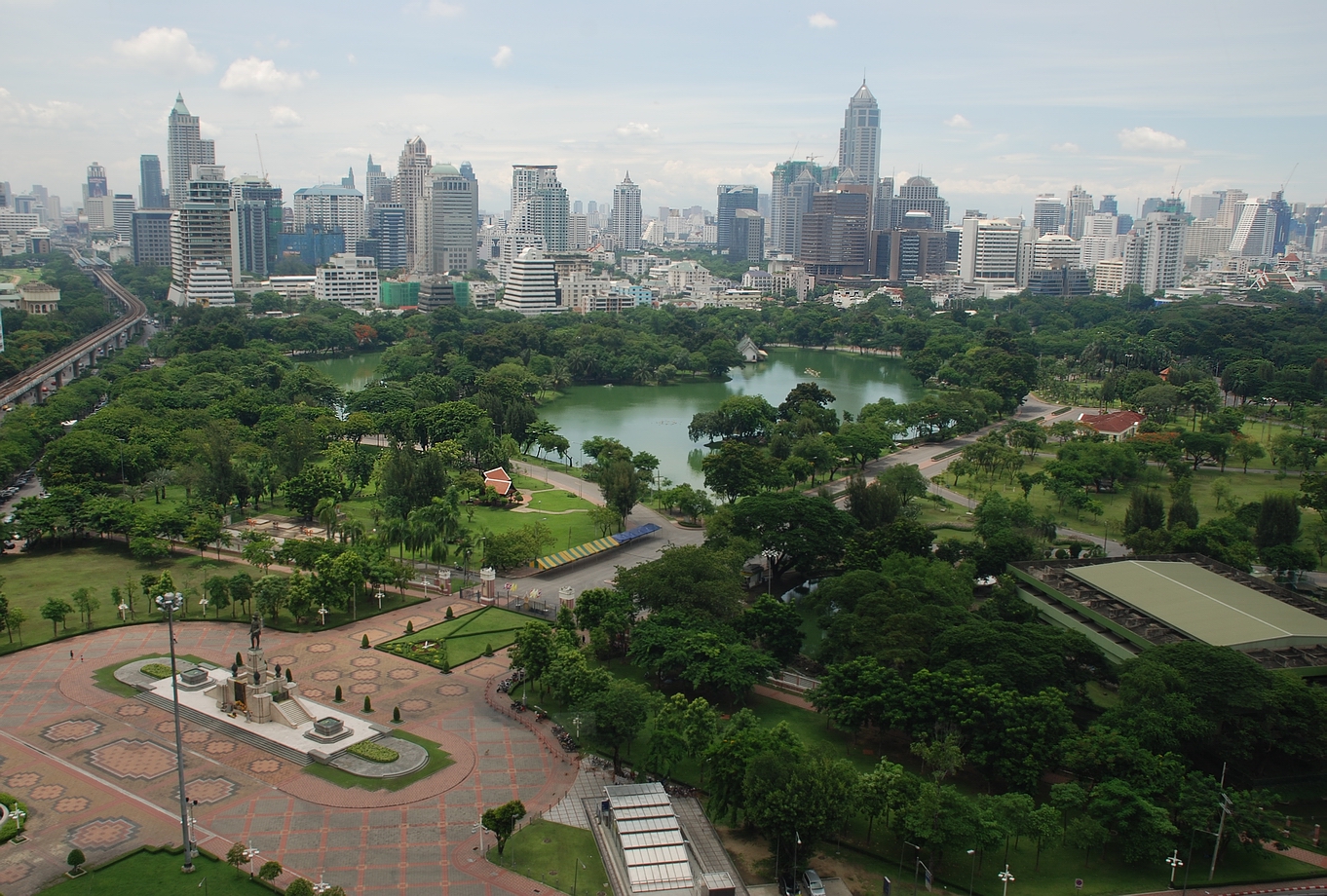
What a Phuket digital nomad or DTV holder should take from this
If you are a Phuket digital nomad on a DTV visa Thailand route, the LTR numbers are not a reason to switch. The DTV has lower entry barriers and suits people testing a base. The LTR suits those who already earn or hold well above the thresholds and want ten years of certainty. If you are somewhere in between, stay on the visa you qualify for and review in a year. Our DTV visa guide explains the stay limits.
Thailand long stay key takeaways — 5 October 2026
- 12,010 LTR approvals since September 2022, according to the Board of Investment.
- Pensioners and dependents make up most approvals, with the US, Japan and UK leading by nationality.
- High bar. LTR income and asset tests are well above typical retirement-visa levels.
- New one-stop centre at One Bangkok and a joint digital portal should reduce office-hopping.
- Ten years is not hands-off. Reporting, proof and tax questions continue.
- Verify officially. Check criteria on the LTR portal before paying anyone.
Sources
- Thailand Business News — approvals, categories, nationalities, one-stop centre
- The Sun (BOI release) — economic value and professional breakdown
- Wikimedia Commons — Sukhumvit skyline photo, CC BY-SA 4.0
- Wikimedia Commons — Lumphini Park photo, CC BY 2.5
This article is for information only. Figures are the Board of Investment’s own and may be revised; requirements change. Verified 5 October 2026.