Thailand Long Stay: Phuket Pushes LTR and Use Rights
As Phuket property slows and nominee structures come under the microscope, developers are steering foreign buyers toward the 10-year LTR visa and registered use rights. Useful tools, but neither is the free pass the brochures imply.
This is a market and policy trend, not a new rule. Nothing here changes the law on foreign ownership. Figures come from press reporting on Phuket’s property market; verify visa criteria with the Board of Investment and any land matter with the local Land Office.
Phuket — Anyone planning a Thailand long stay on the island will notice the sales pitch shifting. With sales momentum fading, Phuket developers are now promoting the Long-Term Resident (LTR) visa and registered property-use rights as the safer way for foreigners to commit money. The timing is no accident: scrutiny of nominee companies has made the old workaround feel risky. If you are moving to Thailand and Phuket is on your shortlist, here is how to read the pitch.
Why Phuket is pivoting: nominee scrutiny and a cooling market
Reporting on 1 October says absorption rates began slipping in the first quarter of 2026, and that buyers are getting more cautious while developers must be pickier about locations and pricing. At the same time, authorities are looking harder at Thai companies where locals hold 51 percent on paper but foreigners supply the money. We covered the wider crackdown in our nominee company guide, and the lesson stands: an arrangement that only works while nobody checks is not an asset.
So the industry needs a story that sounds legal and long-term. Enter the LTR visa and use rights.
What the LTR visa actually gives a Phuket digital nomad or buyer
The LTR was launched in 2022 and offers qualifying foreigners up to ten years of stay, typically granted in five-year blocks. Press reports put applications at 8,621 by early 2026, mostly from Americans, who are not the people usually buying Phuket villas. That mismatch tells you the visa is not a property product. It is an immigration status with its own financial tests.
The four categories are the Wealthy Global Citizen, Wealthy Pensioner, Work-from-Thailand Professional and Highly-Skilled Professional. A Phuket digital nomad on a remote contract would look at the work-from-Thailand route; a retiree at the pensioner route, covered in our LTR Wealthy Pensioner guide. Thresholds on income, assets, insurance and investment differ by category, so read the current Board of Investment criteria rather than a developer’s summary.
Renewal is where people get caught
A webinar hosted by AMCHAM Thailand on 24 September with a Board of Investment speaker focused on five-year renewals, switching between categories, and digital work permits. The takeaway: renewal has its own paperwork and financial evidence, and your category can matter later. Do not assume year six is automatic because year one was easy.
Registered use rights: better than a handshake, weaker than title
Developers describe registered property-use rights as allowing use for up to 30 years without transferring freehold. In Thai practice this usually means a registered lease, or related rights such as usufruct or superficies, recorded at the Land Office. Registration matters because an unregistered lease over three years generally cannot be enforced beyond three years.
Still, a use right is not ownership. Ask what happens at year 30, whether renewal is written into the contract or only a hope, who pays transfer fees and tax, and what happens if the landowner dies or sells. A clause promising “automatic renewal” is often weaker than it sounds. Also confirm the registration is actually lodged, not just promised after completion.
A visa gives you the right to stay. A use right gives you the right to occupy. Neither makes you the owner, and neither fixes a bad contract.
The costs nobody puts in the brochure
Legal costs for due diligence on a use-right deal are real, and so are transfer fees at the Land Office. Add the cost of living in Thailand on an island where rents, schools and healthcare run above the national average. International schools are reportedly set to rise from 18 to 22 within a couple of years, which signals demand from families, but also fees. Thailand healthcare for foreigners in Phuket is good, though private hospital bills and insurance premiums add up quickly for older arrivals.
Any Thailand long stay plan should compare Phuket against alternatives honestly. A Bangkok expat pays more for space but enjoys deeper services; Chiang Mai living is cheaper with more flexible rental stock. The best place to live in Thailand is the one you have tested for a season, not the one with the nicest show unit.
Renting in Thailand first: the low-regret route
If you are not sure about a Thailand long stay, rent for six to twelve months before committing. Renting in Thailand costs far less than a failed purchase, and it lets you check flooding, noise, traffic and monthly bills. Pair that with a visa you already qualify for, whether a Thai visa for retirement or the DTV visa Thailand route for remote workers. Our Non-O retirement visa guide explains what most retirees can do without any property at all.
Thailand long stay key takeaways — 1 October 2026
- The pivot is commercial. Phuket developers are promoting LTR visas and use rights as sales slow and nominee scrutiny grows.
- The LTR is an immigration status, not a property product. Check categories and renewal evidence with the Board of Investment.
- Use rights are not ownership. Confirm registration at the Land Office, the term, renewal wording and exit terms.
- Avoid nominee shortcuts. A structure that depends on non-enforcement is a risk, not a plan.
- Budget beyond the price: legal checks, transfer costs, insurance and island rents.
- Rent first for at least a season before you commit a lump sum.
Sources
- The Nation Thailand, 1 October 2026 — Phuket pushes LTR visas and use rights; application numbers, market figures
- AMCHAM Thailand, 25 September 2026 — BOI webinar on LTR renewals and category switching
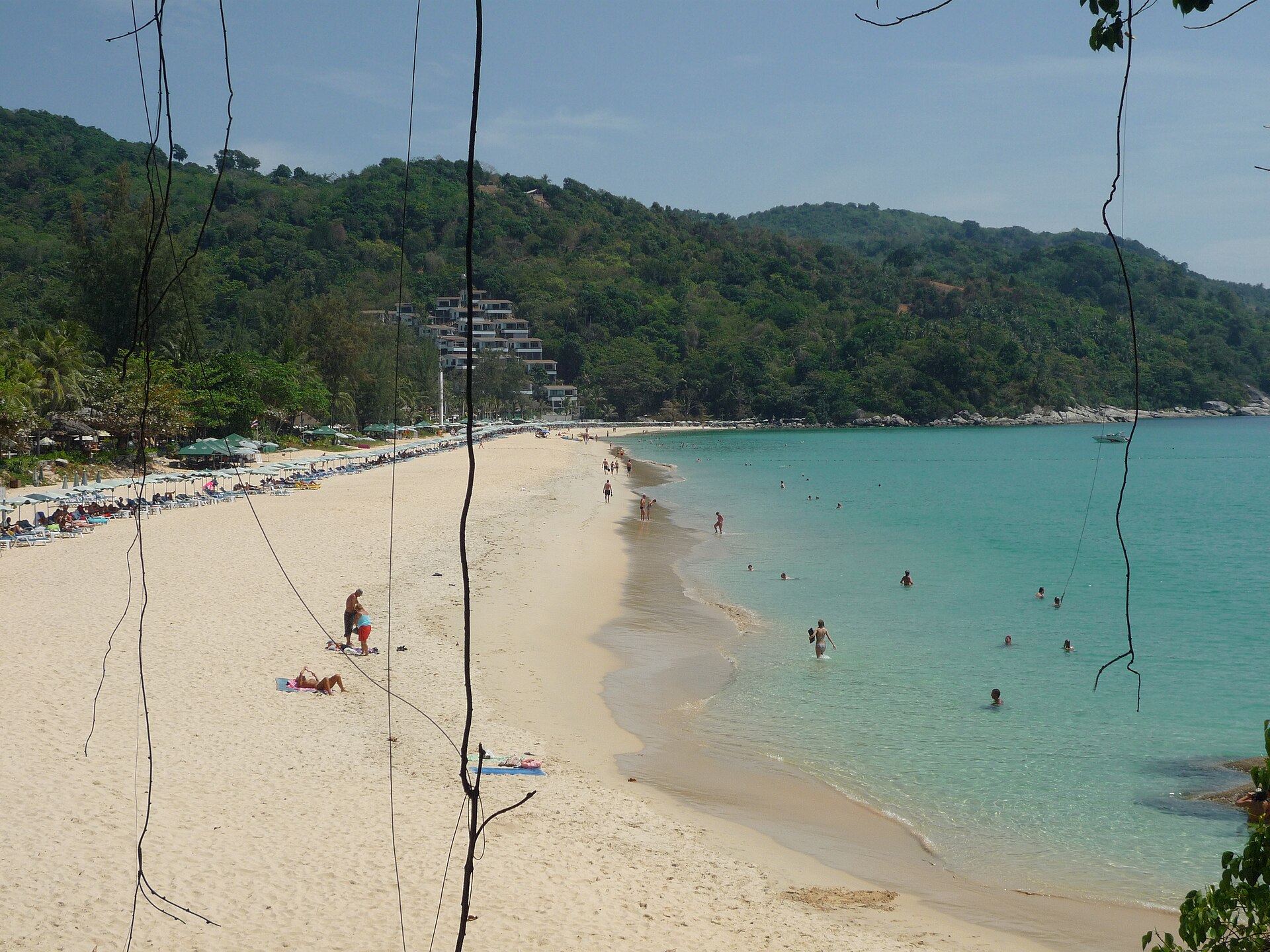
- Wikimedia Commons — Kata Beach photo, public domain, ADwarf
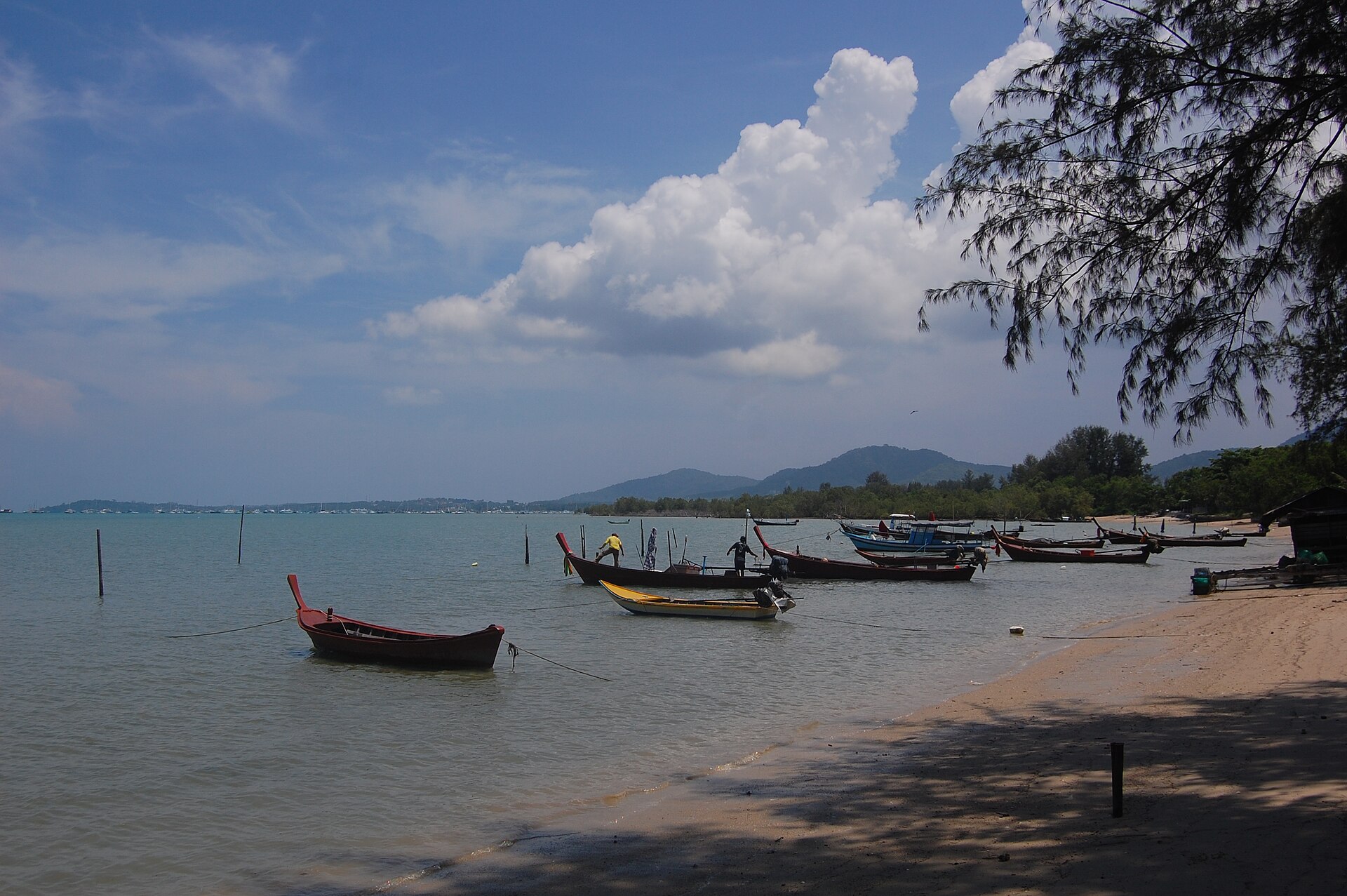
- Wikimedia Commons — Palai Bay photo, CC BY 2.0, edwin.11
This article is for information only and is not legal advice. Laws, fees and enforcement change; confirm your own situation with a qualified Thai lawyer and the relevant authority before relying on any detail here. Verified 1 October 2026.