Thai Visa Checks: Privilege Holders Screened After Scam Bust
Police say a cross-check of Thailand Privilege visa-holder records helped break an alleged 500 million baht scam. Here is what a Thai visa holder or Thailand long stay resident should take from it.
Arrests and seizures were announced on 13 October. Police say they plan stronger screening and retrospective checks of Thailand Privilege holders. No change to visa rules has been published. Details may change, so check official notices.
Bangkok — If you hold, or want, a Thai visa for the long term, this week's biggest crime story has a line aimed at you. Police announced 39 arrests in an alleged online investment scam, and said the trail began when investigators compared Thailand Privilege visa-holder records with online crime complaints. Here is what is known, what is not, and what a Thailand long stay now looks like from a compliance point of view.
What happened
According to reports from The Thaiger and ASEAN NOW, the Anti-Cyber Scam Centre of the Central Investigation Bureau worked with the Crime Suppression Division. Raids on 27 locations in 11 provinces led to 39 arrests: 30 Thai, eight Chinese and one Myanmar national. The charges include joint fraud, impersonation, entering false computer data and money laundering.
Police say victims were lured by Facebook adverts promising high returns, moved into Line groups and steered to a fake trading app called ETO TH. They paid 13 corporate bank accounts, and were then asked for extra “fees” to withdraw. Police linked those accounts to 74 cases and losses above 173 million baht.
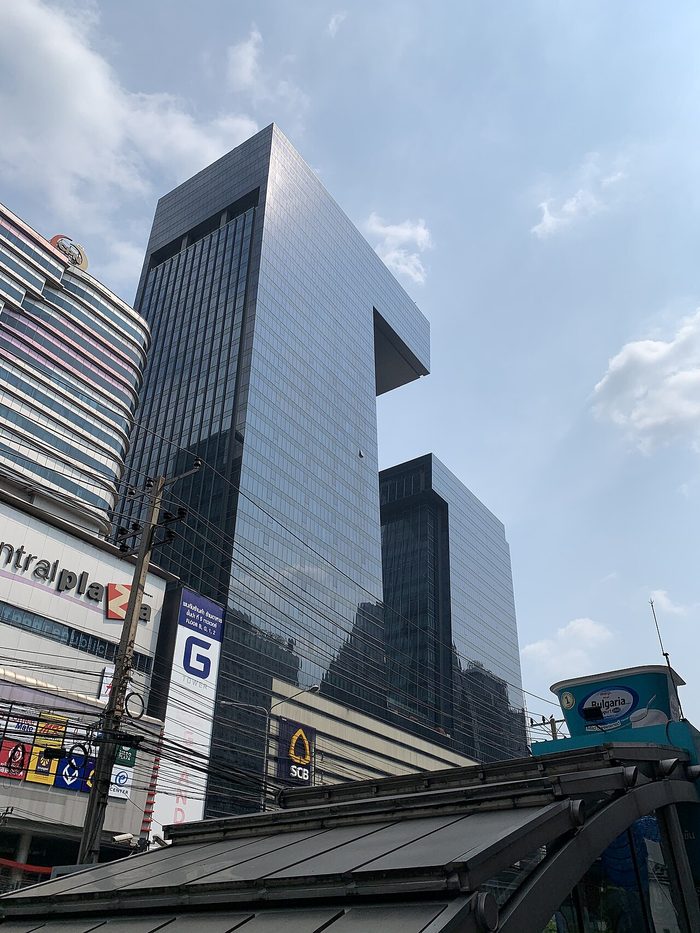
Seizures were reported at more than 500 million baht, including eight luxury properties, condominium units and land in the Rama 9 area, a house in Krungthep Kreetha, ten luxury cars, cash and cryptocurrency.
Why Thai visa holders are in the story
The detail that matters is how the case began. Police said the cross-check of foreign visa-holder names with crime reports revealed suspicious transfers into accounts held by some Chinese nationals on the Thailand Privilege programme, formerly called the Elite visa. That is the lead, not a verdict. No report says any ordinary holder was charged for holding the visa, and police said some links between suspects and the owners of seized properties were still unproven.
They did say the Anti-Cyber Scam Centre intends to strengthen screening of Privilege applicants and to run retrospective checks on existing members. Police added that screening was already in place before this network surfaced. So far this is intent, not a published rule, and no new Thai immigration rules have been announced.
The practical message: your accounts, your visa file and your property paperwork are now being read together.
What it could mean for a Thailand long stay
Thailand has spent the past weeks on nominee companies, property raids and entry-status checks, as covered in our nominee property raid report. This case fits the pattern: agencies are now joining data sets that used to sit apart. Think of immigration records, bank flows and land-office entries as one picture.
Nothing here suggests honest expats face trouble. The risk is friction. If you receive money in a Thai account from many unrelated senders, lend your account to a friend, or hold a condo through a company you do not control, expect questions from your bank or officers. Our guide to the Thailand Privilege visa explains what members actually buy and what they must keep in order.
Renting in Thailand and Bangkok expat housing: the catches
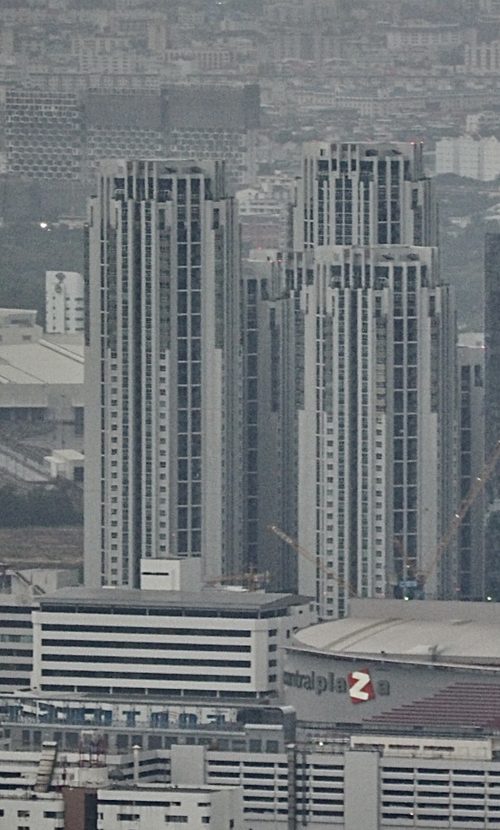
Police warned that scam operations in neighbouring countries have moved from large compounds into commercial buildings, condominiums and private houses. That is a renting-in-Thailand problem for you as a tenant or landlord. Keep a signed lease, copies of the landlord's title deed and ID, and proof of rent paid by bank transfer. If a neighbour's flat is raided, you will want paperwork showing you are just a tenant.
For anyone moving to Thailand and buying, the foreign-quota condo rules still require funds to arrive from abroad in foreign currency with the right transfer form. A clean paper trail is your protection. Cost of living in Thailand is rising for the careful, and the cost of a frozen bank account is far worse.
Provincial and city differences
Bangkok expat districts such as Rama 9, Sukhumvit and Sathorn get the heaviest scrutiny because that is where high-value condos and corporate accounts cluster. Chiang Mai living, Phuket digital nomad hubs and Pattaya see more small-business and nominee cases. Banks and immigration offices apply rules unevenly, so what one branch accepts, another may query. Ask each office what it wants rather than assuming.
What to do now
- Keep your own account clean. Never lend it, and never receive or forward money for someone else.
- Hold paperwork for every large transfer, including the origin of the funds.
- Check your property structure. If a company holds your home, confirm you are lawfully entitled to it.
- Verify investments with the SEC before sending money, as police advised.
- Keep visa records current, including 90-day reports and your address notification.
Thai visa key takeaways — 14 October 2026
- 39 arrested, over 500 million baht seized, in an alleged ETO TH investment scam announced on 13 October.
- Privilege-holder records started the trail, but no report says ordinary members did anything wrong.
- Stronger screening is planned, including retrospective checks; no new rule has been published.
- Paper trails protect you in banking, renting and property.
- Verify investments and official notices before you act.
Sources
- The Thaiger, 14 October 2026 — arrests, seizures, screening plans
- ASEAN NOW — charges, ETO TH mechanics, visa-holder cross-check
- Wikimedia Commons — G Tower photo by Chainwit., CC BY-SA 4.0 (resized)
- Wikimedia Commons — Belle Grand Rama 9 photo by Bigcitydata, CC BY-SA 4.0 (resized)
This article is for information only and is not legal advice. Allegations are unproven until decided by a court. Confirm visa and banking rules with official sources. Verified 14 October 2026.