Living in Thailand: 1,000-Baht Departure Tax Explained
Thailand's Revenue Department wants 1,000 baht from every traveller who flies out, Thai or foreign. It is a draft, comment is open until 29 October, and the fine print matters for anyone who comes and goes.
The departure tax is only a draft. Public consultation runs 30 September to 29 October 2026. If a law is passed it takes effect 180 days after Gazette publication. Nothing is payable today, and tickets bought before the start date would not be taxed.
Bangkok — If you are living in Thailand and fly out a few times a year, a new line may soon appear on your ticket. The Revenue Department has published draft principles for a 1,000-baht tax on each air departure, and Finance Minister Ekniti Nitithanprapas has defended it against objections from travel agents. Here is what is actually on the table, and what it could add to your cost of living in Thailand.
What the draft departure tax says
The proposal would replace an old 1983 arrangement that covered only Thai nationals and foreign permanent residents, and which has never really been collected. The new draft is wider: travellers of all nationalities leaving by air would pay 1,000 baht per departure. Land and sea exits would start out exempt.
The rate can be changed by ministerial regulation, up to a legal ceiling of 5,000 baht. That ceiling is the part I would watch. A 1,000-baht charge is easy to shrug at. A ceiling five times higher means the number is a policy choice, not a fixed fact.
Collection would mostly be done by airlines and ticket agents, added to the fare in the same way as other airport charges. Exemptions would follow the existing passenger service charge: children aged two or under, international transit passengers who stay airside, crew on duty, and certain officials and royals. Penalties for non-payment are double the tax plus 1.5% a month.
The real number: 2,570 baht per trip
The Association of Thai Travel Agents objected on 7 October and put a number on the stack. For a foreign visitor, it estimates 2,570 baht per person if everything goes ahead: the 1,120-baht airport charge on international departures, the planned 450-baht entry fee for 2027, and this 1,000-baht departure tax. We covered the entry fee in our report on the 450-baht fee.
The agents argue that the charges overlap and that the government has not shown what the money will improve. The minister's answer is that the tax would keep spending at home and help state finances. Both sides have a point, and neither has told us what happens to people who live here.
What it means for Thailand long stay residents
This is the catch nobody has answered. The draft says travellers of all nationalities, and the reports do not separately address residents or expats. There is no mention of exemptions for Non-O, Non-OA, LTR or DTV visa Thailand holders. Until the draft is clarified, assume you would pay.
Here is a worked example. Say you take four round trips a year. If every charge applied, that is 4 × (1,120 + 1,000 + 450), or 10,280 baht a year, of which the departure tax is 4,000. A Phuket digital nomad on a DTV who leaves every two months, six trips, would face 15,420 baht. For a retiree on a fixed pension, as we noted in our piece on the strong baht pension squeeze, that is real money.
One useful detail: travellers who bought tickets before the law starts would not be liable, even if they fly after the start date. If a law does pass, buying a long-haul return early could lock in the old price.
How it changes the cost of living in Thailand
Nothing in your monthly rent, food or healthcare changes. But if you keep a base in Bangkok or Chiang Mai and travel often, the cost of leaving goes up, and that affects choices. Border runs for a visa are the obvious example. Anyone planning a 90-day trip to reset a stay, or thinking about renting in Thailand while spending half the year elsewhere, should treat each flight as costing roughly 1,000 baht more.
It also nudges the maths on the best place to live in Thailand. Someone in Chiang Mai who flies from Chiang Mai International and someone in Hua Hin who uses Bangkok would both pay it, so it does not favour one city. It favours staying put, or leaving by land, if the land exemption survives.
What to do now
- Pay nothing. There is no authorised collection point and no law. Ignore anyone selling a “pre-payment”.
- Comment before 29 October. The Revenue Department is taking public views. Ask in plain words whether long-stay visa holders will be exempt.
- Watch the Gazette. The 180-day countdown starts at publication, so that is the real date to plan around.
- Buy big tickets early if a law passes. Tickets bought before the start date are not taxed.
- Keep your paperwork straight. This is separate from your visa conditions. Check your retirement visa rules and your own immigration office for anything that affects re-entry.
Living in Thailand key takeaways — 9 October 2026
- 1,000 baht per air departure is proposed for all nationalities, with land and sea exits exempt at first.
- The legal ceiling is 5,000 baht, so the rate could rise by regulation.
- The stack could reach 2,570 baht a trip for foreign visitors, per the travel agents.
- Residents are not mentioned, so assume no exemption until told otherwise.
- Consultation closes 29 October, and any law starts 180 days after the Gazette.
- Tickets bought earlier would not be taxed.
Sources
- Nation Thailand, 7 October 2026 — ATTA objection, 2,570-baht estimate, consultation dates
- The Star, 7 October 2026 — draft principles, exemptions, penalties, 180-day start
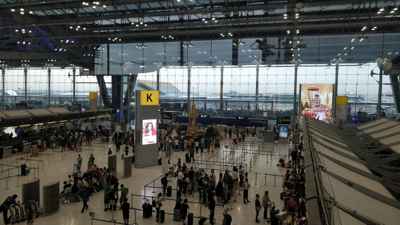
- Wikimedia Commons — Suvarnabhumi departures photo by Exec8, CC BY-SA 4.0 (resized)
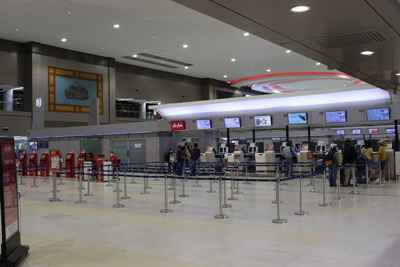
- Wikimedia Commons — Don Mueang Terminal 2 photo by Bebieza, CC BY-SA 4.0 (resized)
This article is for information only. The departure tax is a draft and details may change before any law is published. Confirm current rules with official Thai government sources. Verified 9 October 2026.