Thailand Expat News: 450-Baht Fee Aimed at Early 2027
Officials and industry backed the 450-baht charge on foreign visitors on Tuesday and now say the first quarter of 2027 is the target. It is still a plan, not a law, and the fine print matters most to people who live here.
The 450-baht fee is not yet authorised. It still needs the National Tourism Policy Committee, then Cabinet, then publication in the Royal Gazette, and it would take effect within 180 days of publication. Nobody should pay it today, and anyone asking you to is not an official channel.
Bangkok — If you follow Thailand expat news, this week brought the clearest timetable yet for the 450-baht foreign visitor fee. At a meeting on Tuesday 6 October, government and industry representatives backed the plan, and officials are now aiming for the first quarter of 2027. We covered the public hearing two weeks ago in our earlier report on the 450-baht entry fee. This is the next step, and a few new details are worth knowing.
What was agreed on Tuesday
The Tourism and Sports Ministry, led by Minister Surasak Phancharoenworakul, is pushing the charge. The Public Health Minister also attended. The room included the Tourism Council, hotel owners, big retailers, international airlines and a ride-hailing firm.
The numbers from the public consultation were strong. Of 5,954 responses, which closed on 28 September, 80.5% supported the draft announcement and 78.3% backed the 450-baht level. Officials say they will use that to write the collection rules.
The route to law has four steps: the tourism policy committee, Cabinet approval, the Royal Gazette, then a start date within 180 days of publication. Early 2027 is a target, not a promise. Thai fee proposals of this kind have slipped before, and I would not book anything around the date.
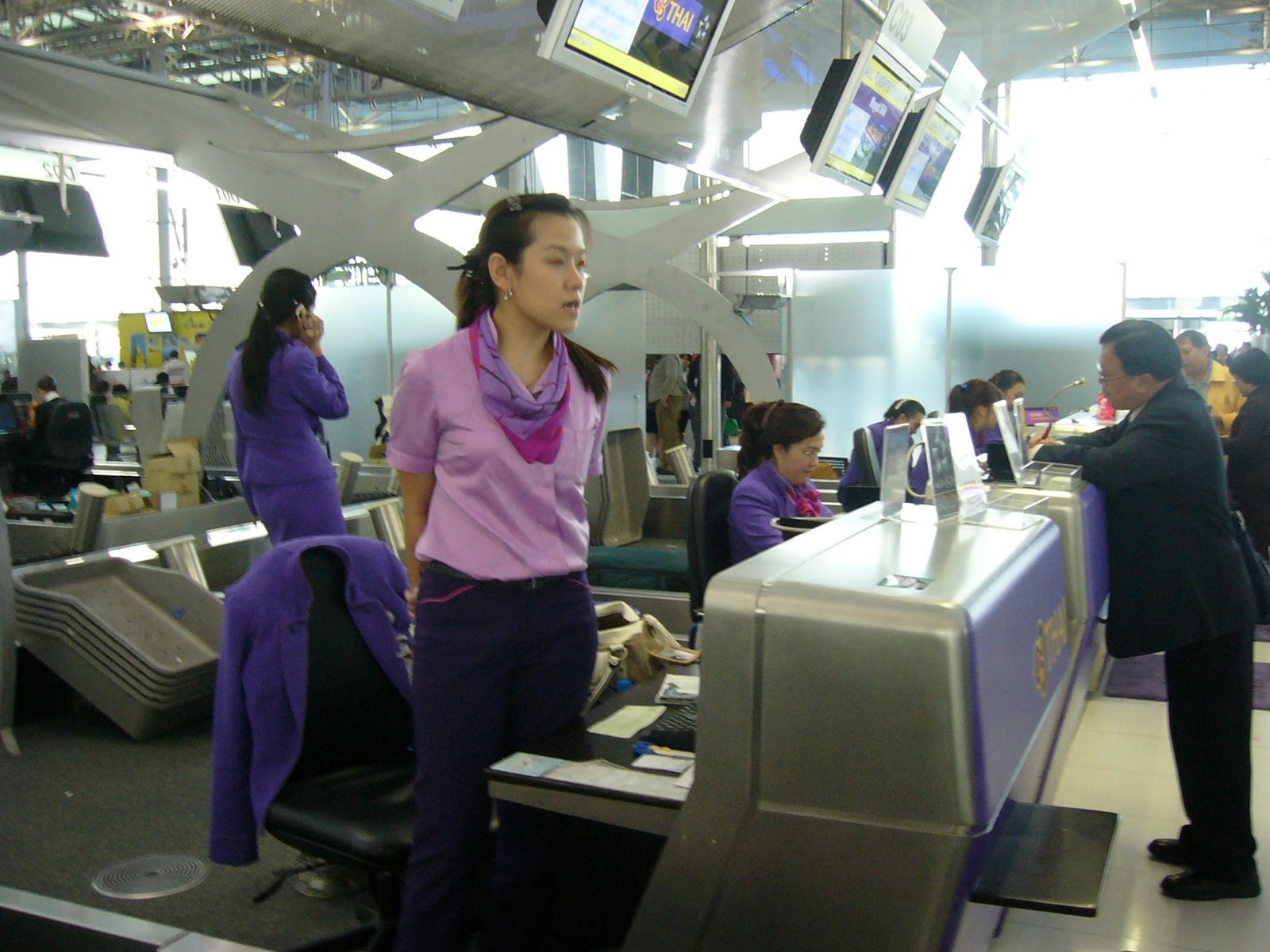
How the Thai tourist fee would be collected
Air arrivals would go first. Land and sea crossings would be suspended from collection for one year. The method is still open: an airline ticket surcharge, an app, a website or a payment kiosk are all on the table. Businesses were blunt that collection must not create queues or slow immigration, and anyone who has stood in the Suvarnabhumi arrivals line at 6am will understand why.
On money, the minister expects at least 8 billion baht a year to remain after the costs of collection and insurance. Part of each payment would fund medical and death cover for visitors. Officials put unpaid foreign medical bills at roughly 7 billion baht a year, although that figure covers several categories of foreigners and is still being checked.
What it means for Thailand long stay expats
Here is the catch nobody has answered yet: exemptions are undecided. The reports speak of “eligible foreign tourists”, and officials flagged frequent border crossers and border traders as groups that may be treated differently. They did not say what happens to residents on a Non-O, Non-OA, LTR or DTV who leave and re-enter.
That matters. If you are living in Thailand on a long-stay visa and travel a few times a year, a flat 450 baht each time you land adds up. Four round trips would be 1,800 baht a year. Not ruinous, but not nothing for someone budgeting a retirement. Until the Royal Gazette text appears, treat any claim that residents are exempt, or are not, as a guess.
Insurance is the other open question. Officials say over 80% of tourists already carry travel insurance, and the new cover would be separate. If you hold the mandatory policy for a Non-OA visa, check our guide to health insurance rules for living in Thailand, and do not cancel or reduce a policy because a government scheme is coming. A hospital-reimbursement scheme for tourists is not the same as proper Thailand healthcare for foreigners.
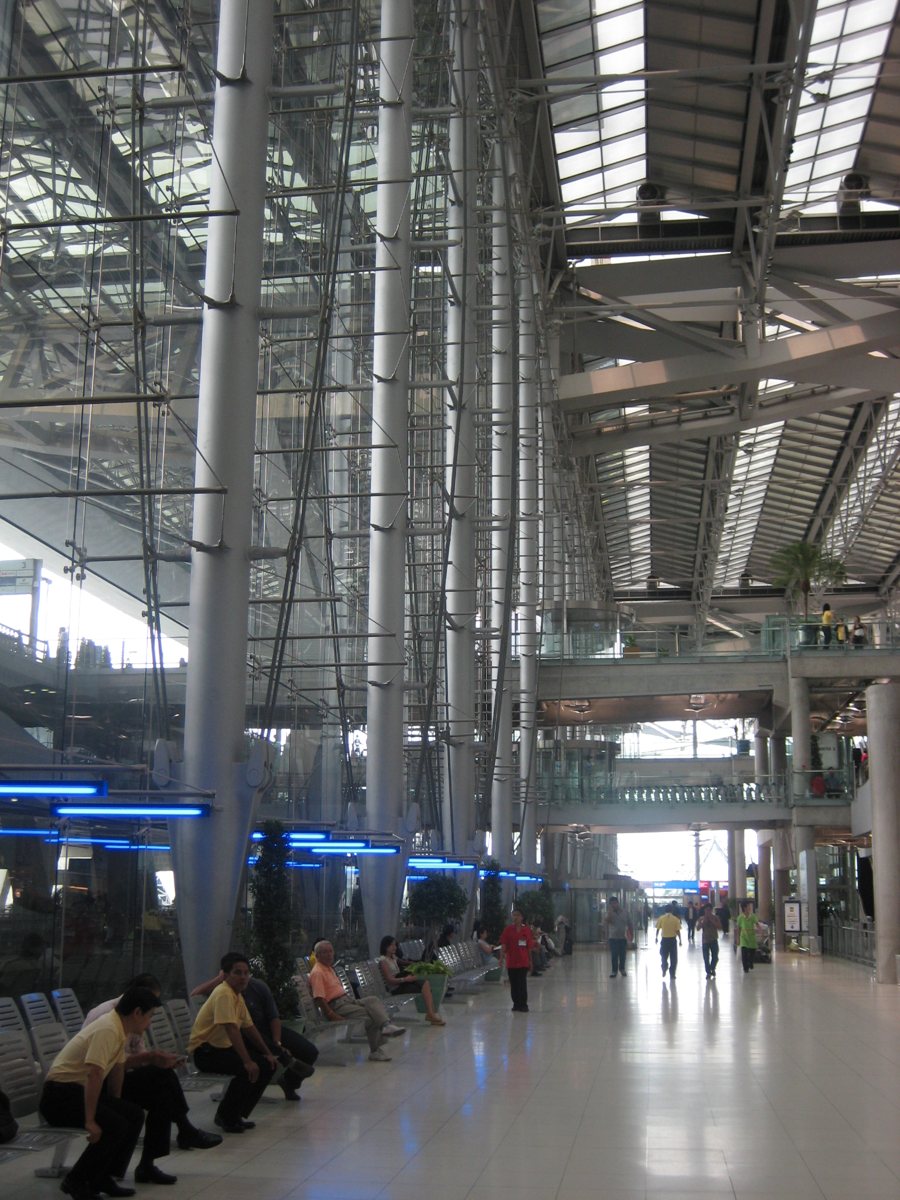
Does the fee change your cost of living in Thailand?
Directly, very little. Nobody’s monthly rent, food or transport changes because of an entry fee. For a Bangkok expat who flies rarely, it is a rounding error. For a Phuket digital nomad on a DTV visa Thailand route who hops to Penang or Vietnam every couple of months, it is a small recurring cost. The most useful Thailand expat news is the kind that changes your budget, and this one barely does. Compare it with the 30-day visa exemption changes and the 90-day reporting duties, and it is the least of your worries.
The indirect effect is more interesting. A fund of 8 billion baht aimed at attraction upkeep, conservation and local communities could improve places like Krabi, Phuket and Koh Samui, if it is spent transparently. Businesses asked for published accounts and project results. That is the right demand. Money collected without reports is how fees become grumbles.
For anyone weighing the best place to live in Thailand, nothing here changes the picture. Chiang Mai living, a Hua Hin retirement or a Pattaya condo will still cost what they cost. As Thailand expat news goes, it simply adds one more line to the travel budget of anyone who leaves and returns.
What to do now
- Pay nothing yet. There is no authorised collection point. Ignore websites and agents selling “pre-registration” for the fee.
- Watch the Royal Gazette. The start date is counted from publication, so that is the real signal. Official ministry and Immigration Bureau channels will follow.
- Plan trips with a buffer. If you re-enter often, budget 450 baht per landing from early 2027 until the exemptions are known.
- Keep your visa paperwork in order. The fee is separate from your DTV or retirement visa conditions and will not replace any of them.
- Check with your own immigration office. Local offices interpret rules differently, so ask when the details land.
Thailand expat news key takeaways — 8 October 2026
- The target is Q1 2027, but Cabinet and Royal Gazette steps remain, plus up to 180 days before it applies.
- Air arrivals go first; land and sea collection would pause for a year.
- The collection method is undecided, though an airline-ticket add-on leads at 36.26%.
- Exemptions are unsettled, and residents on long-stay visas have not been addressed.
- Revenue is expected at 8 billion baht or more a year, and businesses want it audited.
- Pay nothing today. Treat unofficial pre-payment offers as a scam risk.
Sources
- Thai Examiner, 7 October 2026 — meeting details, consultation results, timeline, collection options
- Wikimedia Commons — check-in counters photo, public domain
- Wikimedia Commons — arrival hall photo by Terence Ong, CC BY 2.5
This article is for information only. The fee is a proposal and details may change before any law is published. Confirm current rules with official Thai government sources. Verified 8 October 2026.