Living in Thailand: Baht Slides to 33.6 per Dollar
The baht has lost about 2% against the dollar in a month. If you earn in dollars or pounds, living in Thailand just got a little cheaper. If you are chasing a visa threshold, the maths cuts both ways.
Trading Economics showed USD/THB at about 33.6, roughly 2.25% weaker for the baht over one month and about 3.35% weaker over twelve months. The Bank of Thailand policy rate is 1%. Rates move daily, so check a live quote before you transfer money.
Bangkok — Anyone living in Thailand on foreign income has a quiet reason to smile this week. The Thai baht has drifted to around 33.6 per US dollar, a clear step down from the strong-baht squeeze we wrote about last month. The move is modest, not dramatic, but it changes your grocery bill, your rent in dollar terms and the cushion above your visa financial test.
Why the baht is weaker
The currency has been under pressure because the economy is soft. Household debt is high, demand is weak and the Bank of Thailand has held its policy rate at 1% to support growth. Lower rates make baht deposits less attractive to global investors, which tends to push the currency down.
Forecasters at Trading Economics project about 33.35 by the end of the quarter and 32.75 in twelve months. Treat that as a model, not a promise. Currencies surprise people, and I have watched expats plan an entire retirement around a forecast that never arrived.
What it means for the cost of living in Thailand
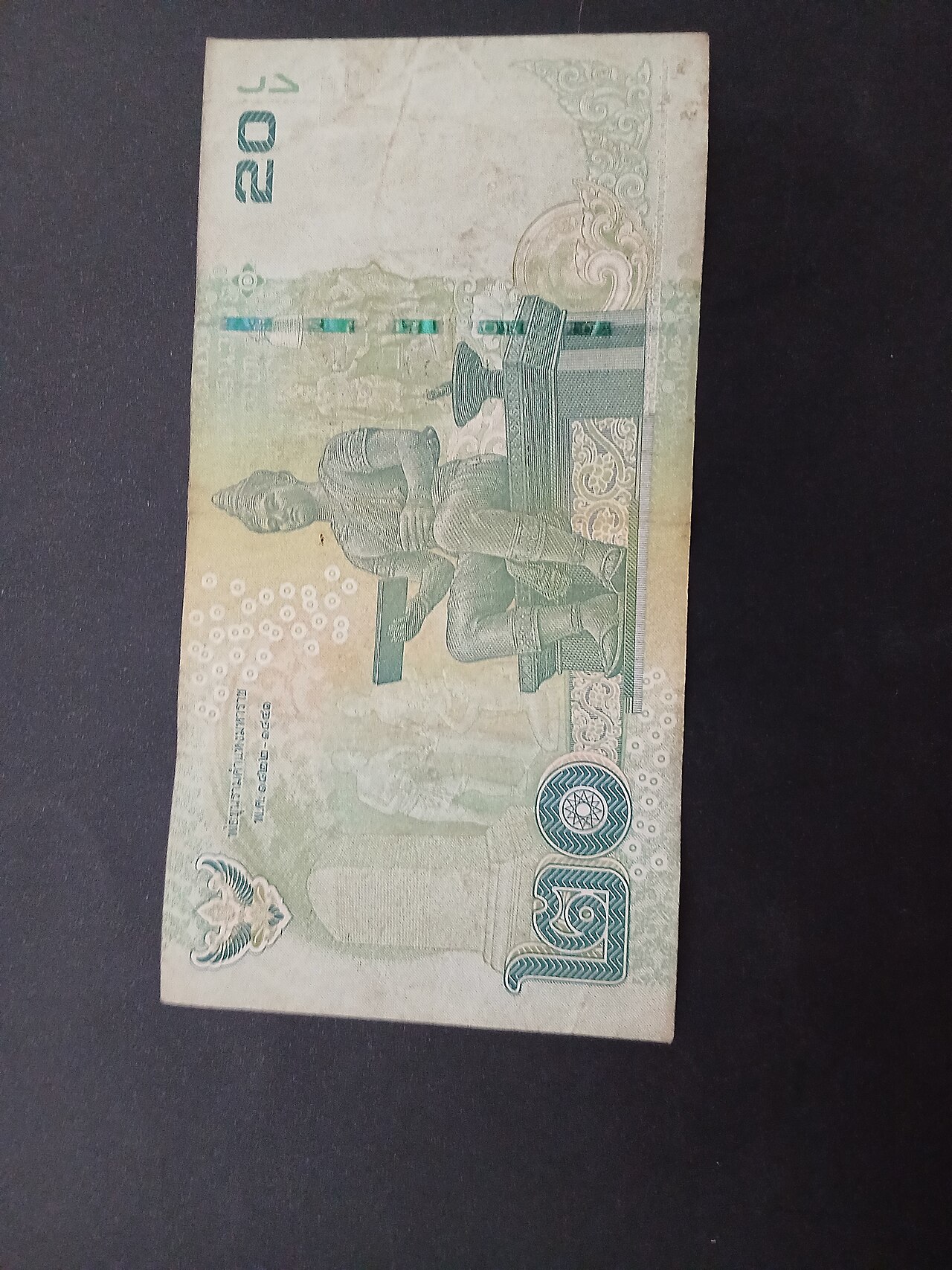
Your costs are in baht. Your income, if you are retired or remote, is usually not. So a weaker baht raises your purchasing power without a single price tag changing. On a 70,000 baht monthly budget, the difference between 32.5 and 33.6 is roughly USD 2,150 versus USD 2,085 a month. That is about USD 65 back in your pocket, or around USD 780 over a year.
It is real money, but not life-changing. Thai inflation is also soft, so the baht price of rent, food and transport is not racing ahead to cancel the gain. The catch is that landlords in popular areas rarely cut prices because the currency moved. If you are renting in Thailand, your saving comes from the exchange rate alone, not from a cheaper lease.
Thai visa requirement maths: the cushion moves
Most long-stay visa tests are written in baht. The Non-O retirement route asks for 800,000 baht in a Thai bank or 65,000 baht in monthly income, or a mix of the two. Check the detail on our Non-O retirement visa guide.
At 33.6, 800,000 baht costs about USD 23,800, and 65,000 baht a month costs about USD 1,935. When the baht is strong, that requirement eats more of your dollar pension. When it weakens, it eats less. That is the good news for anyone planning to retire in Thailand on a fixed dollar income.
The warning goes the other way. If your income is in a currency that is falling against the baht, you can drop below the line without anything changing in your own finances. Transfer a margin above the minimum, not exactly the minimum. Our strong-baht pension squeeze report shows how quickly the pressure can swing.
Practical moves for Thailand long stay expats
- Do not time the market. Spreading transfers monthly smooths out swings. Trying to catch the bottom usually fails.
- Compare the real rate, not the headline. Banks and transfer services add a margin to the mid-market rate. Over a year of transfers that margin can outweigh a 2% currency move.
- Watch the fees at both ends. Thai banks charge for incoming foreign transfers, and ATMs add a fixed withdrawal fee on foreign cards. See our guide on opening a Thai bank account.
- Keep your visa evidence clean. Immigration looks at the documents, not at the exchange rate you got that month. Keep your bank letters and remittance slips together.
- Verify the rule officially. Financial thresholds are set by immigration orders, and local offices can interpret them differently. Ask your own immigration office before you change anything.
Where the weaker baht helps most
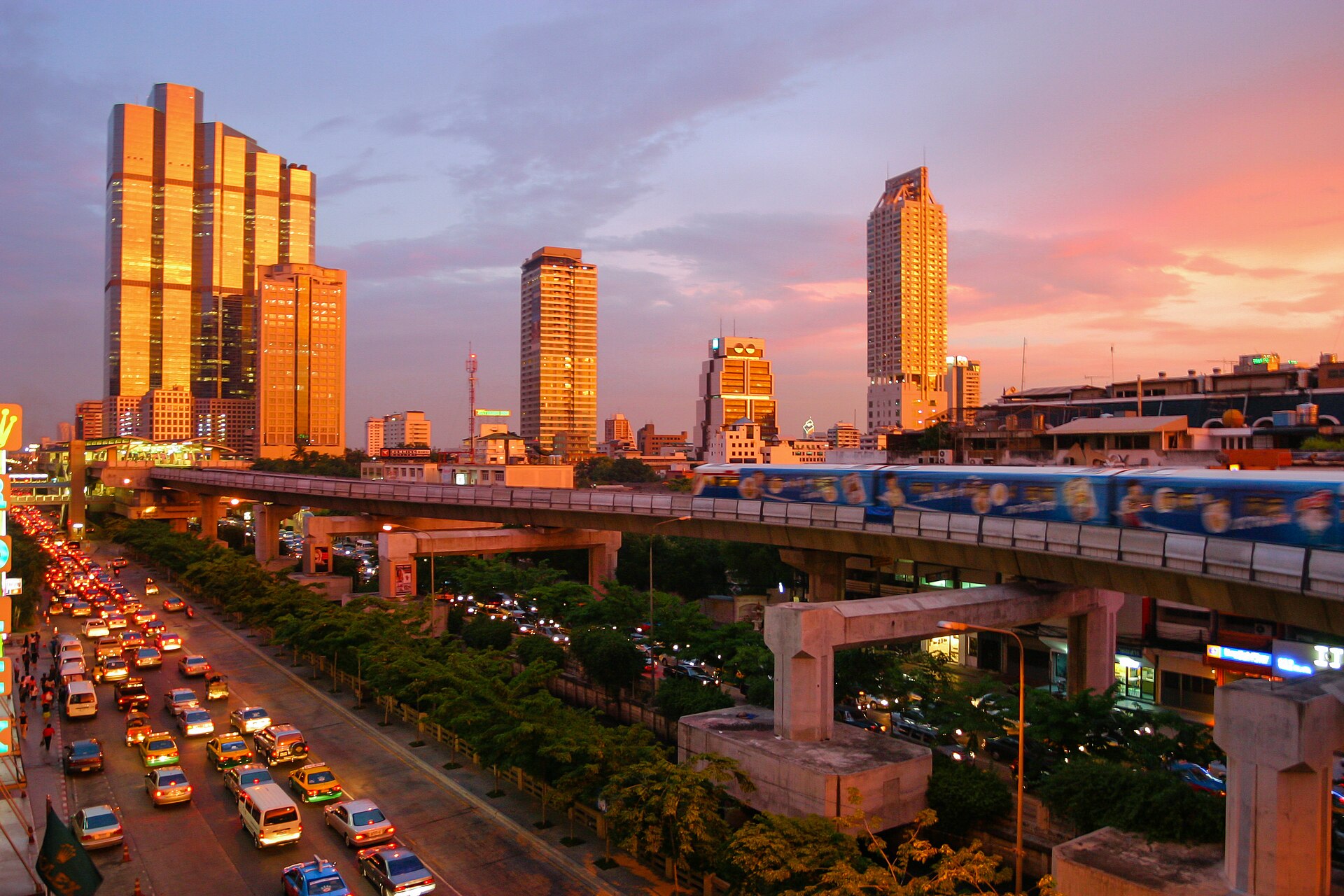
A Bangkok expat paying central condo rents and buying imported food benefits the most in absolute terms, because more of the budget is exposed to premium prices. Chiang Mai living is already cheaper, so the same percentage gain is a smaller baht-denominated number. A Phuket digital nomad on a DTV visa Thailand route, paying island rents in a tourist-driven market, may see the gain absorbed by seasonal price rises. The best place to live in Thailand is still the one that fits your budget, your health needs and your tolerance for noise, not the one with the best exchange rate this month.
One more thing: Thailand healthcare for foreigners is often priced in baht, but many international policies are priced in dollars or pounds. If you buy cover abroad, a weaker baht does not make your premium cheaper. It only helps if you pay local bills out of foreign income.
Living in Thailand key takeaways — 6 October 2026
- USD/THB is about 33.6, with the baht roughly 2% weaker over the past month.
- The Bank of Thailand rate is 1%, and a soft economy is the main reason for the weaker currency.
- Dollar and pound earners gain, roughly USD 65 a month on a 70,000 baht budget.
- Visa thresholds are in baht, so a weaker baht makes 800,000 baht and 65,000 baht cheaper in foreign terms.
- Keep a buffer. Never plan to sit exactly on a visa minimum.
- Forecasts are guesses. Spread your transfers and check live rates.
Sources
- Trading Economics — USD/THB level, monthly and yearly change, forecast, policy rate
- Wikimedia Commons — 20 baht banknote photo, public domain
- Wikimedia Commons — Bangkok skytrain sunset photo by Diliff, CC BY-SA 3.0
This article is for information only and is not financial advice. Exchange rates change daily and visa financial requirements are set by Thai immigration orders; confirm current figures officially. Verified 6 October 2026.