Retire in Thailand: Care Homes Face Nationwide Checks
After a Kanchanaburi nursing home lost its licence, about 1,200 elderly care centres are to be inspected. If you plan to retire in Thailand and may one day need care, here is how to vet a facility before you sign.
Inspections are ordered and under way, with a two-month window reported for the health-department checks. No new rule for foreign residents has been announced. Findings and deadlines may change, so check the official notices.
Kanchanaburi — Anyone hoping to retire in Thailand spends their time on visas and condos, and almost nobody researches care homes. This week showed why that is a gap. On 7 October the Department of Health Service Support revoked the operating licence of the Sothornchai Nursing Home, and officials then ordered checks on all roughly 1,200 elderly care centres registered with the department.
What inspectors found
According to The Nation, the home was licensed for elderly or dependent residents only, yet was taking psychiatric patients without authorisation. Inspectors counted 129 beds against the 50 in the licence application, and about 4,300 square metres in use against 1,600 declared. They also reported poor premises, unlawful confinement and thin medical records.
Of more than 100 other residents, most were aged 18 to 59 and over 90 were psychiatric patients. The Ministry of Social Development separately ordered strict nationwide inspections of elderly and disability care centres, and a Nonthaburi home with over 80 psychiatric patients was checked on 8 October. The Mental Health Department has also stated that caging patients is not permitted under any circumstances.

Why this matters for retire in Thailand plans
Thailand is ageing quickly and its elder-care sector is growing fast, partly on the back of foreign retirees. Our report on the pension squeeze showed how tight budgets already are. A cheap bed in a facility that turns out to be unlicensed is not a saving.
A Thailand retirement visa does not include care. The Non-O route needs a bank balance or income, and the Non-OA route adds mandatory health insurance, as set out in our Non-OA retirement guide. Neither guarantees a place in a good facility, and insurance often excludes long-term custodial care. Read our notes on health insurance rules before assuming you are covered.
How to vet a care home in Thailand
Thailand healthcare for foreigners is excellent at the hospital end and patchy in long-term care. Use this checklist, whether you are in Bangkok, Chiang Mai living, Phuket or a quieter province.
| Check | What to ask | Red flag |
|---|---|---|
| Licence | Ask to see the current operating and management licences, with the licensed bed count | Staff will not show them, or the numbers do not match what you see |
| Resident mix | Who else lives here, and are psychiatric patients accepted? | Younger residents with serious mental-health needs in an elderly home |
| Staffing | Nurses on each shift, including nights | Vague answers, no named nurse in charge |
| Restraint | What is the written policy? | Locked cages, bars on beds or confined residents |
| Records | Can your family see care and medication records? | Records kept loosely or refused |
| Contract | Fees, refunds, notice, who can admit or discharge you | Nobody explains who may consent on your behalf |
Provincial differences and hidden costs
Inspection capacity differs by province, so the cost of living in Thailand for care also varies. Bangkok and Phuket have more registered options and more international hospitals. Smaller provinces can be cheaper but have fewer inspectors and fewer English-speaking staff. If you are moving to Thailand for the long term, visit the facility unannounced, at a weekend, before paying a deposit.
Ask what is billed on top of the monthly fee: diapers, medication, hospital transfers, physiotherapy and night-sitters. Also plan who holds a power of attorney and a living will, because several of these cases involved residents placed without clear consent.
What to do now
- Ask for the licence and compare the bed count with what you see.
- Visit twice, once announced and once not.
- Check your insurance for custodial and long-term care exclusions.
- Name a trusted contact in Thailand and sign clear care directives.
- Keep your visa in order; a move into care must not break your address reporting or extension paperwork.
Retire in Thailand key takeaways — 11 October 2026
- One licence revoked, about 1,200 centres to be checked, after a Kanchanaburi home broke bed, space and resident-type limits.
- A retirement visa is not a care plan. Neither Non-O nor Non-OA secures you a place in a vetted facility.
- Verify the licence yourself before paying a deposit.
- Read insurance exclusions for long-term and custodial care.
- Settle consent and power of attorney while you are healthy.
Sources
- The Nation, 7 October 2026 — licence revocation, bed counts, inspection of all registered centres
- Pattaya Mail / NNT, 7–8 October 2026 — Social Development ministry inspection order
- Wikimedia Commons — Kwai River photo by Vyacheslav Argenberg, CC BY 4.0 (resized)
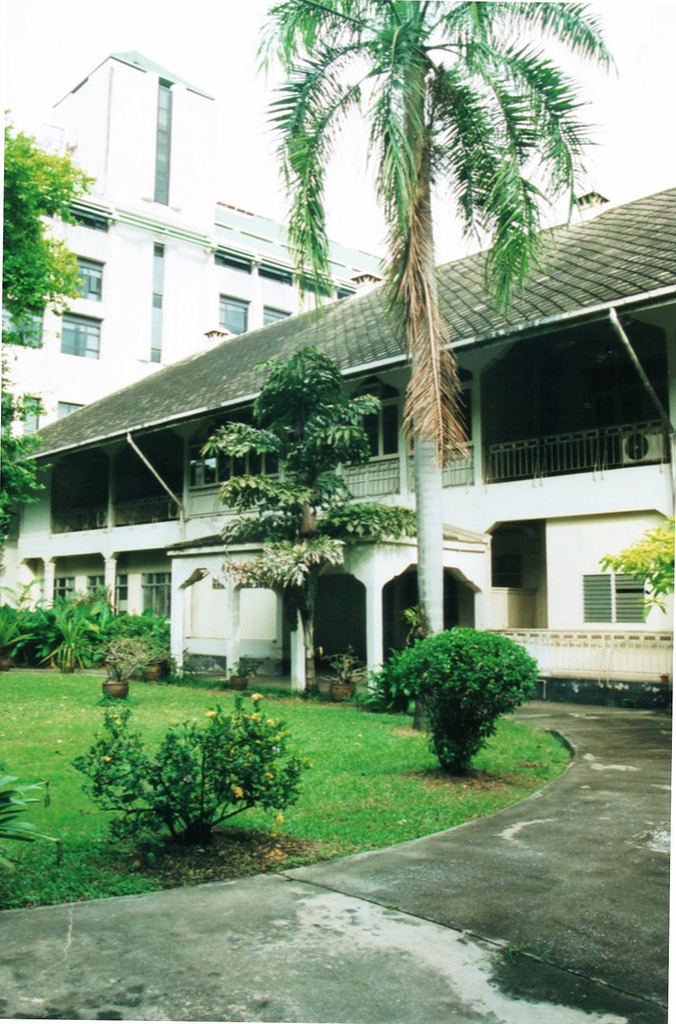
- Wikimedia Commons — Bangkok Nursing Home photo by Bahtboy, CC BY-SA 4.0
This article is for information only and is not medical or legal advice. Confirm facility licensing and visa rules with official sources. Verified 11 October 2026.