Moving to Thailand: Police Raid 94 Nominee Homes
Thai police have searched 94 luxury houses in Bangkok that were allegedly held through nominee companies. If you are moving to Thailand and plan to buy, this is the clearest warning yet about which structures are not worth the risk.
This is an active police investigation, the eighth phase of a wider crackdown. Suspects are not convicted and details may change. Nothing here changes the law on who may own what; it changes how hard it is being enforced.
Bangkok — If you are moving to Thailand and dreaming of a house with a garden, a raid reported on 10 October is worth five minutes of your time. Royal Thai Police, with the Immigration Bureau, searched 17 locations linked to 94 houses and plots worth more than 6 billion baht across four east Bangkok estates. Police say the homes sat inside 95 companies with Thai nominee shareholders.
What police say they found
The estates are in Bang Na-Suan Luang, Bang Na-Wongwaen, Rama IX-Srinakarin and Krungthep Kreetha. Eleven foreign suspects were arrested, ten Chinese and one American. Reports say 86 arrest warrants have been issued for foreign nationals across the wider inquiry.
The main target held a Chinese and a Cambodian passport and is wanted in China over a 2018 murder case. He told police he paid 43 million baht cash in 2022 and did not know who the Thai shareholders were. Police are treating that claim with scepticism and are coordinating with the Anti-Money Laundering Office on where the money came from.
I am not interested in the crime story. The part that matters to ordinary expats is the structure. Companies were reportedly set up 51% Thai and 49% foreign, with some Thai shareholders allegedly having no real investment. One Thai shareholder says they only handed over documents for an online loan and found their name on 400 million baht of shares.
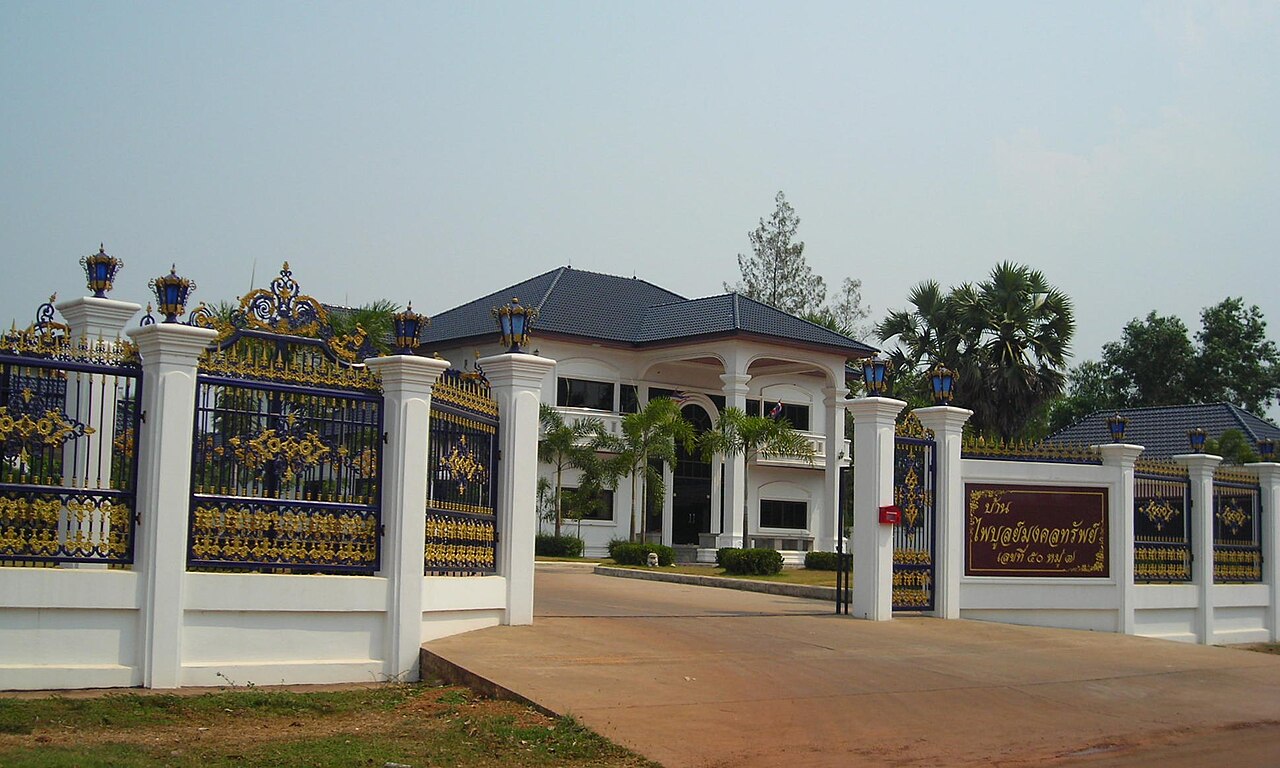
Why foreign property ownership in Thailand is the issue
Foreigners generally cannot own land in Thailand. That has been true for decades, and it is why the nominee shortcut exists: put a Thai-majority company on the title and hope nobody asks who actually pays the bills. Our earlier report on the nominee company crackdown covered how about 2,100 firms were flagged. This raid shows the enforcement moving from paperwork to doors being knocked on.
Police also say they will look at agents and law firms that allegedly sold these structures, especially those serving Chinese clients, and will extend the probe to other Bangkok developments with large cash purchases. If you used an agent who offered a “company solution”, that is now a question about their exposure and yours.
Legal ways to own or live in a home
There are lawful routes, each with a catch. Here is the honest comparison for anyone planning moving to Thailand with a property budget.
| Route | What you get | The catch |
|---|---|---|
| Condo in your own name | Freehold title to a unit | Foreign owners are capped at 49% of a building’s floor area, and funds must come in from abroad with the proper transfer certificate |
| Leasehold, up to 30 years | Registered right to use a house or land | Renewal clauses are often not enforceable, so treat 30 years as the real term |
| Usufruct or superficies | Right to live in or build on land for life or a fixed term | Needs careful drafting and registration; ask a lawyer who is not selling the property |
| Renting in Thailand | Flexibility, no ownership risk | Deposits of two months plus one month in advance are common, and nothing builds equity |
| Nominee company | A house that looks owned | Under active enforcement; assets can be examined and your name tied to the structure |
Red flags if you are buying as an expat
Whether you are a Bangkok expat or heading to Chiang Mai living or Phuket digital nomad life, the warning signs are the same.
- Thai shareholders you never meet. If you cannot explain who they are and what they invested, police may not believe you either.
- Pressure to pay cash. Large cash purchases are exactly what investigators are now tracing.
- An agent who recommends the lawyer. Independent advice should be independent.
- Pre-signed share transfers or loan agreements. These are common ways the shareholder role is made to work for the foreigner.
- Promises the visa will sort itself out. Property does not give you a Thai visa requirement exemption. A condo purchase may help support some routes, but you still need a proper long-stay visa.

What this means for moving to Thailand on a budget
Most people living in Thailand on a retirement visa or a DTV are not buying 50-million-baht houses. For them the practical advice is simpler. Rent first, for at least six to twelve months, in the area you think you like. It costs less than a mistake, and the cost of living in Thailand varies enormously between Bangkok, Chiang Mai and the islands. Our city guide is a good place to compare them before you commit to anything.
Property investment is also not a visa shortcut. Phuket’s long-term resident options and property use rights are covered in our October 1 report, and the money rules are narrower than the sales brochures suggest.
What to do now
- Check your own file. If you already own through a company, find out who the Thai shareholders are, what they paid and whether their signatures are real.
- Get independent advice. Choose a Thai property lawyer who is not paid by the developer or agent, and ask for the opinion in writing.
- Keep your transfer paperwork. For a condo, hold the foreign exchange transaction form showing money came in from abroad.
- Do not hand over ID documents casually. Share copies only with a stated purpose and date on them.
- Verify at the source. The Land Department, the Immigration Bureau and the Anti-Money Laundering Office publish the official rules.
Moving to Thailand key takeaways — 10 October 2026
- 94 homes, 95 companies, over 6 billion baht were searched in four east Bangkok estates.
- Nominee shareholders are the target, and agents and law firms that arranged them are being examined.
- Legal options exist: condo within the 49% quota, registered leasehold, or simply renting.
- Cash purchases draw attention from the Anti-Money Laundering Office.
- Rent for six to twelve months first before any purchase decision.
Sources
- Nation Thailand, 10 October 2026 — raid details, arrests, company structure, expanded inquiry
- Wikimedia Commons — villa near Na Wa, Nakhon Phanom, photo by Mattes, public domain (resized)
- Wikimedia Commons — Krungthep Kreetha photo by Baybay1901, CC BY-SA 4.0 (resized)
This article is for information only and is not legal advice. The investigation is ongoing and nobody named is convicted. Confirm property and visa rules with qualified Thai lawyers and official sources. Verified 10 October 2026.