Living in Thailand: Chiang Mai Condo Glut Helps Renters
Chiang Mai developers are sitting on roughly four years of unsold homes. For expats that means choice and bargaining power, but only if you read the market carefully and keep your visa paperwork in order.
This is a market report, not a rule change. Figures come from press coverage of a northern property survey published 26 September. Check any specific building, price or contract yourself.
Chiang Mai — Anyone living in Thailand’s northern capital, or planning to, should know the property market has tipped in the buyer’s favour. Press reports on 26 September put unsold housing in Chiang Mai at 11,353 units, enough to take about 50 months to clear at current sales. For expats weighing Chiang Mai living against Bangkok or the islands, that is useful news, with a few catches nobody puts in the brochure.
What the numbers say about Chiang Mai living
The survey figures cover the first half of 2026. Total housing supply reached 12,715 units, up 12.7 percent, worth about 60 billion baht. New supply jumped sharply, while sales grew too: up 18.5 percent by volume. Yet monthly absorption is only 1.8 percent, which is why the remaining stock stretches to roughly four years. Condominiums would clear in about 39 months; housing estates take around 55.
Developers are responding by managing stock rather than launching aggressively, with new supply across five northern provinces reportedly falling 9 percent. Mortgage approval is described as a major obstacle, and demand clusters around homes priced at two to three million baht. Second-hand homes are growing faster than new builds, which usually means sellers are competing on price.
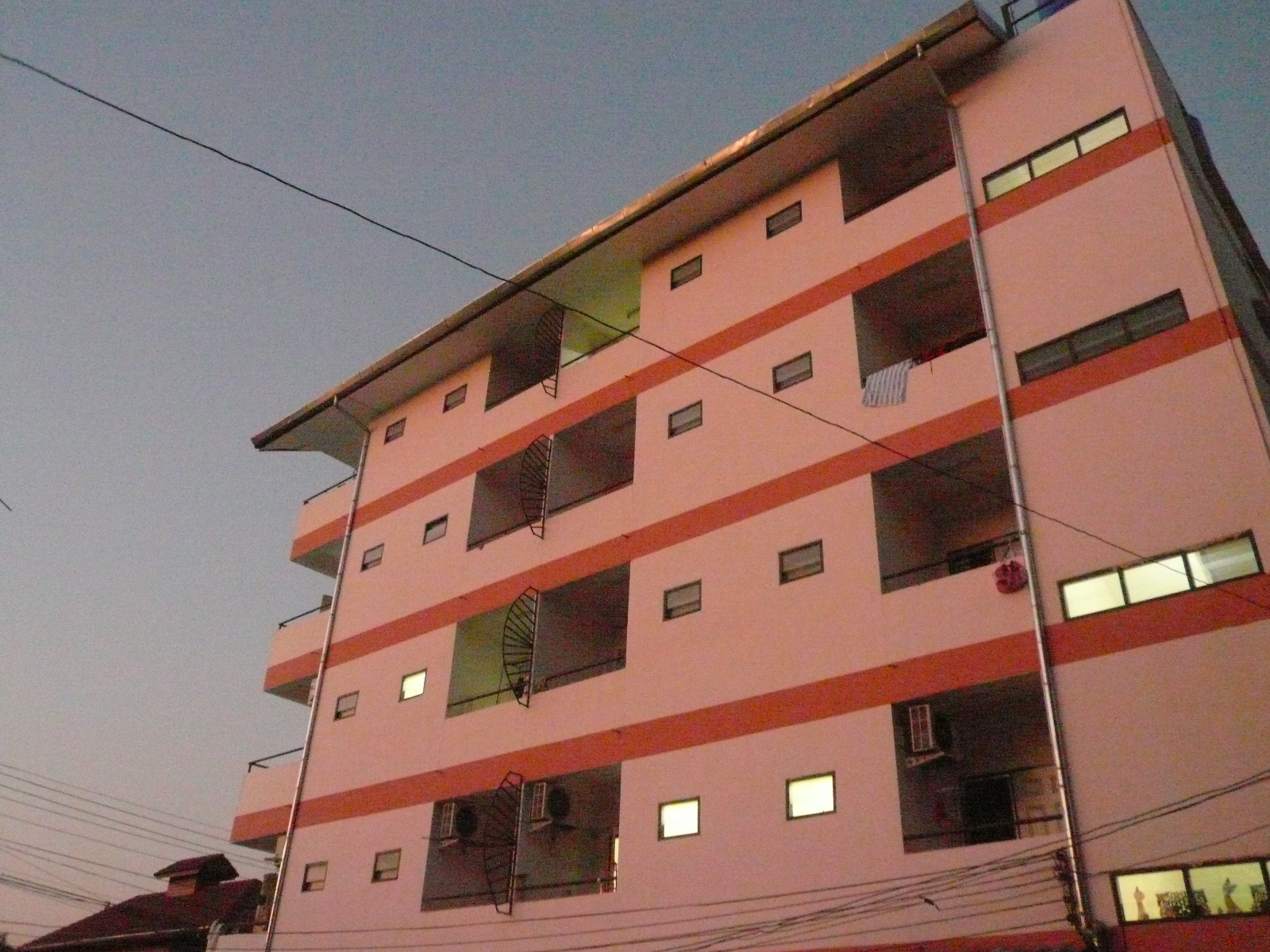
Renting in Thailand: where a glut helps you
Developers cannot easily cut sticker prices, but landlords and investors who bought units to rent out can and do negotiate. If you are renting in Thailand’s north, expect more choice in condos and a better chance of a discount on a longer lease. Ask for twelve months at a lower monthly figure, free parking, or included internet rather than assuming the advertised price is fixed.
Check the contract, not just the rent
A rental agreement should state the deposit, usually one or two months, plus how and when it is returned. Photograph every room at move-in. Ask who pays water and electricity and at what rate, because some buildings resell power at a mark-up. Confirm the landlord can legally let the unit and that the building allows the term you want. Our recent piece on short-stay rentals and the Hotel Act explains why monthly-versus-daily letting can matter.
Buying: foreign demand is real, but so are the limits
Condominium transfers reportedly rose nearly 50 percent in units and close to 80 percent in value, partly on foreign demand for urban living. That does not mean a free-for-all. Foreigners can generally hold only up to 49 percent of the units in a registered condominium building, and the money must come into Thailand as foreign currency with the proper transfer paperwork. Land is a different story and is generally off-limits to foreign names.
A market with four years of stock is also one where resale can be slow. Buying a unit to retire in Thailand or to live in for a season is one thing. Buying as an investment, assuming a quick exit, is another. Check how many comparable units the same developer is selling, and what the building’s sinking fund and common-area fees look like.
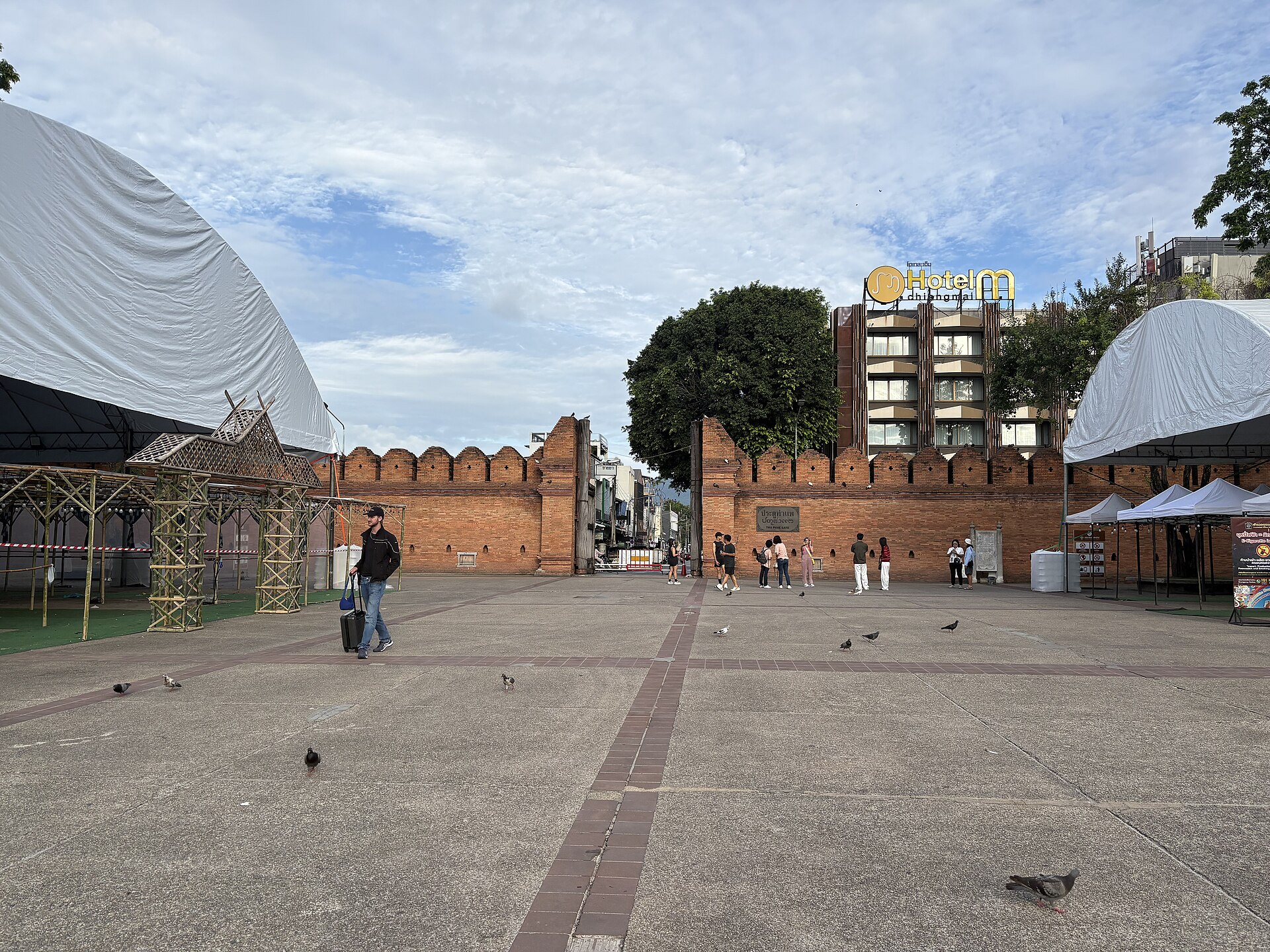
Cost of living in Thailand: Chiang Mai is cheaper, not free
The cost of living in Thailand’s north is generally lower than Bangkok or Phuket on housing, but you still pay for electricity in the hot season, private transport, and Thailand healthcare for foreigners. Chiang Mai has strong private hospitals, yet premiums and bills rise with age. If you are comparing the best place to live in Thailand, test Chiang Mai in both the smoky burning season and the rains before committing. A Bangkok expat gets more services; a Phuket digital nomad pays more for space and sea; Chiang Mai sits between lifestyle and budget.
Housing means nothing without the right visa
A cheap condo does not give you a right to stay. Whether you come on a Thai visa for retirement, the DTV visa Thailand route for remote workers, or an extension of stay, every Thai visa requirement stands apart from your lease or title. A lease can help with address proof and the 90-day report, but immigration decides your status. Our Non-O retirement visa guide and DTV visa guide explain what each route needs. For long stays, treat Thai immigration rules as the main plan and housing as the second.
Living in Thailand key takeaways — 2 October 2026
- Chiang Mai has about 11,353 unsold homes, roughly four years of supply at the current sales pace.
- Renters have leverage. Negotiate on lease length, parking, utilities and deposit terms.
- Buyers should be cautious. Resale can be slow, mortgages are tight, and foreign quotas on condos apply.
- Read the contract. Deposit return, electricity rates and permitted lease terms vary building by building.
- Visas come first. A lease does not replace your immigration status; verify with Thai Immigration.
- Test before committing. Rent for a season across different months before any large purchase.
Sources
- The Nation Thailand, 26 September 2026 — Chiang Mai stock overhang, supply, sales and clearance figures
- Wikimedia Commons — Chiang Mai apartment blocks photo, CC BY 3.0, gary4now
- Wikimedia Commons — Tha Phae Gate photo, CC BY 4.0, Chainwit
This article is for information only and is not legal advice. Laws, fees and market conditions change; confirm your own situation with a qualified Thai lawyer and the relevant authority before relying on any detail here. Verified 2 October 2026.