Living in Thailand: Hotel Act Rewrite Hits Renters
Parliament is still chewing on a rewrite of the 2004 Hotel Act, and nothing in it is law yet. If you are renting in Thailand by the week or month, the old rules are the ones that bite, so here is the plain-English version.
This is an ongoing bill, not a new law. Reporting this week describes draft accommodation rules with tiers for small operators, but drafts differ and nothing has been published in the Royal Gazette. Treat every figure below as a proposal until it is.
Pattaya — Anyone living in Thailand on a rolling condo or serviced-apartment arrangement should know that a long-running fight over short-stay rentals is back in the headlines. Two bills to replace the 2004 Hotel Act were approved by the House in principle in July, and both still need committee review, more readings, the Senate and a Royal Gazette notice. Until then, the old Act decides what counts as an unlicensed hotel. For expats on a Thailand long stay, that affects your lease, your TM30 report and your landlord's nerve.
What the Hotel Act rewrite would change
The headline idea is a tiered system. Small operators with roughly eight rooms or fewer would simply notify the authorities, mid-sized places up to about forty rooms would register, and bigger hotels would keep a full licence. A proposed “Super Licence” would bundle building, guest-registration and operating approvals into one electronic process. Homestays, eco-lodges and Airbnb-style lets would come under the same umbrella.
The catch: the circulating drafts do not agree. Room thresholds differ, some versions create two categories rather than three, and on condominiums one draft wants building consent for short lets while another only wants registration. That last point is the one expats should watch, because most foreign-friendly rentals are condos.
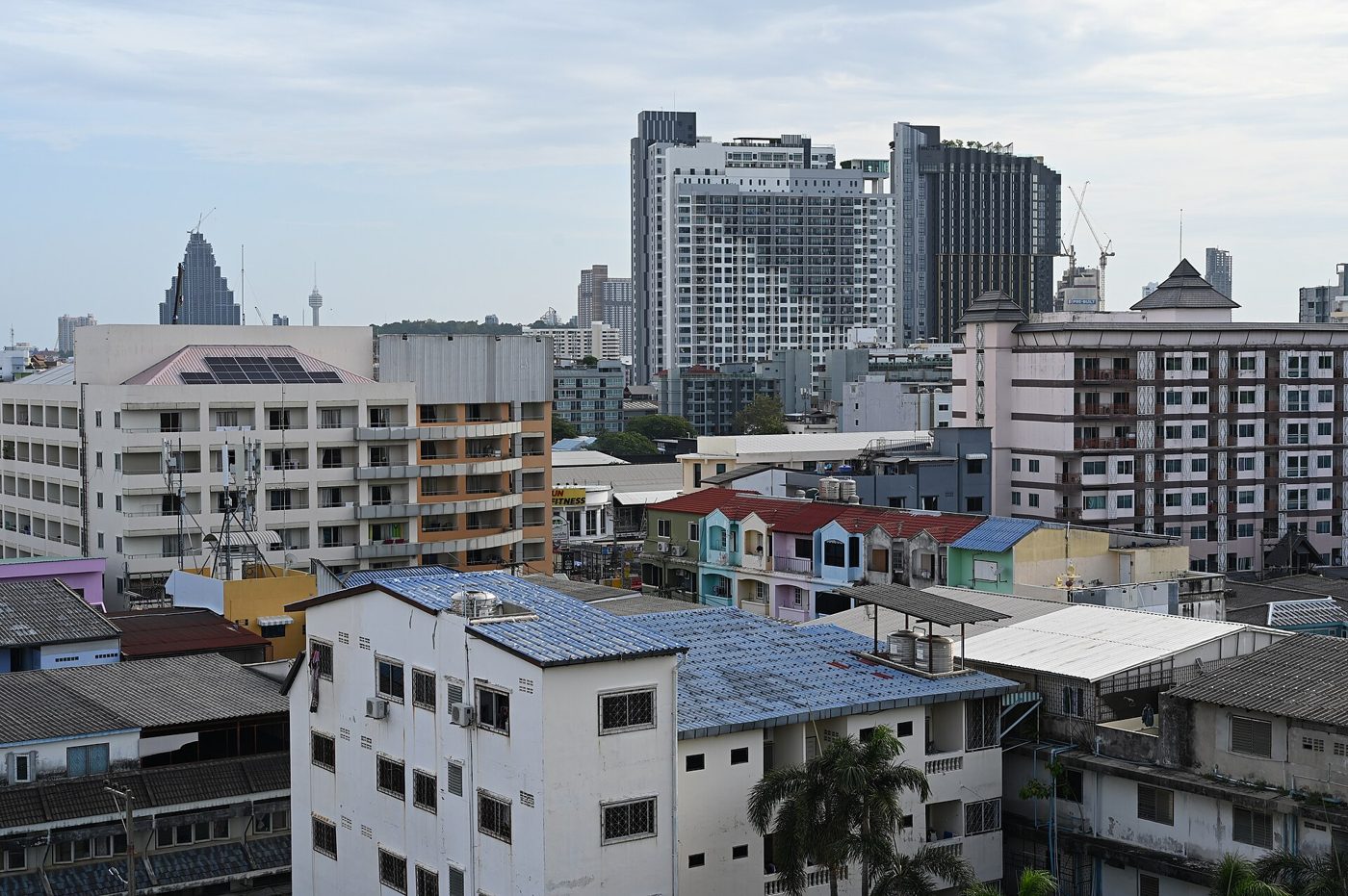
Renting in Thailand today: the rules that still apply
Because the bills are pending, the 2004 Hotel Act remains enforceable. It is generally read as treating accommodation let to travellers for short periods, commonly under 30 days, as a hotel business needing a licence. Most condo buildings also ban short lets in their own regulations, and the juristic person enforces that long before any government inspector shows up.
In practice the risk lands on three people. The host can be fined. The building can cancel access cards. And you, the tenant, can be left with a booking that collapses at short notice. If you are comparing the cost of living in Thailand between a licensed serviced apartment and a cheaper private condo, that risk belongs in the price.
The TM30 link nobody mentions
Whoever houses a foreigner must notify immigration through a TM30 report, normally within 24 hours of arrival. Landlords are supposed to file it, but plenty do not, and an unfiled TM30 can stall extensions and 90-day reports at the immigration counter. We explained the trap in our DTV extension guide. If you are on a Thai visa that needs regular paperwork, ask for the TM30 receipt, not just a promise.
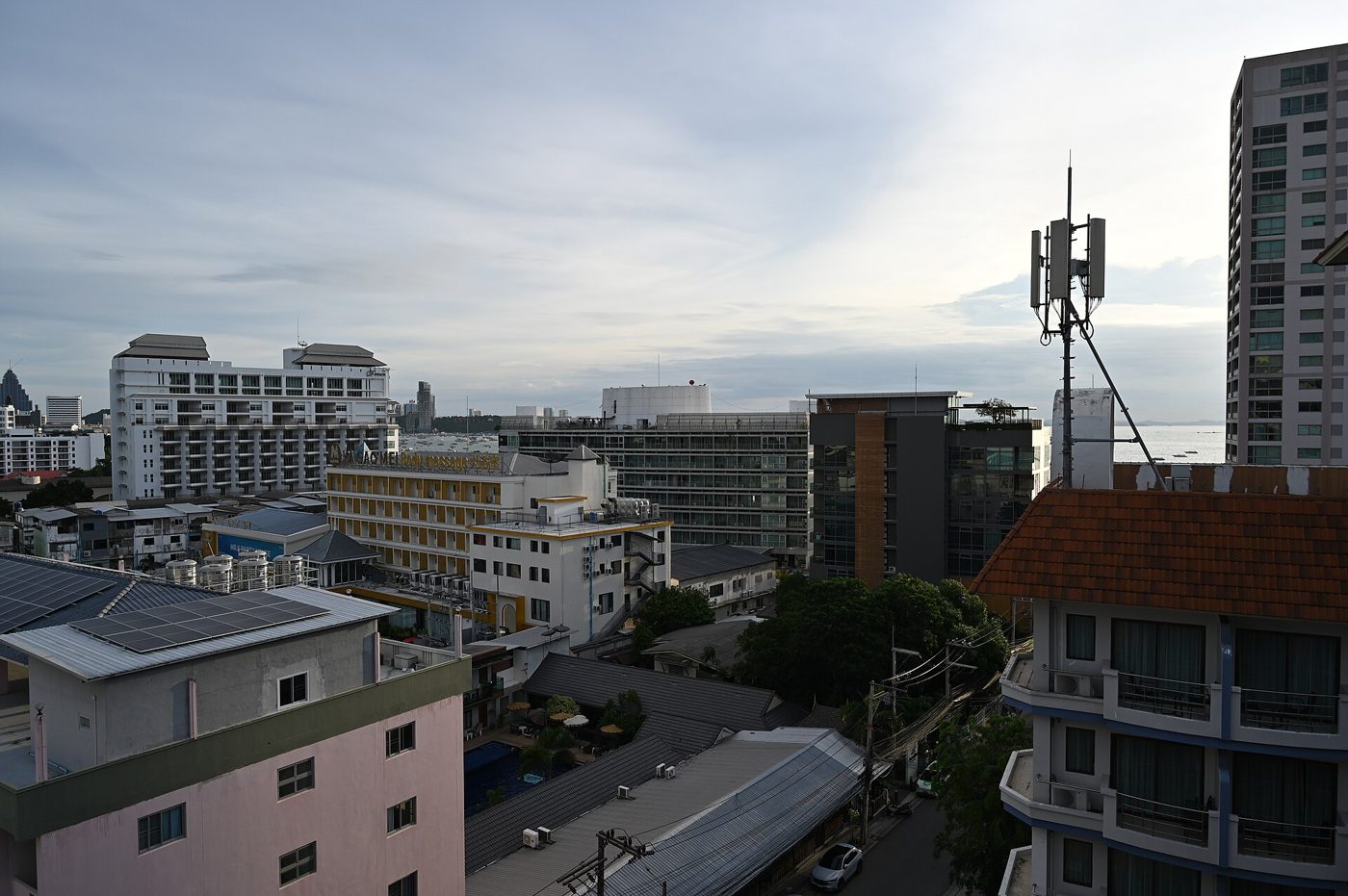
A pending bill is not a green light. Until the Royal Gazette says otherwise, ask for the licence, not the brochure.
Provincial differences: Bangkok expat, Chiang Mai living, Phuket digital nomad
Enforcement is patchy. A Bangkok expat in a large managed condo will usually see the juristic person police short lets. Chiang Mai living tends to run on monthly leases in older buildings where nobody asks. A Phuket digital nomad in a villa complex is more exposed, because tourist-zone inspections are more visible and operators are more nervous. The best place to live in Thailand for your budget is therefore also a question of which local office enforces what, and it changes by district.
How to protect yourself before you sign
Keep it boring and documented. Ask the landlord for proof of the building’s licence status or a statement that the lease is over 30 days. Get the lease in writing, in English and Thai, with the deposit terms spelled out. Ask who files the TM30 and get the receipt. And check the condo rules, because a landlord can be fully legal and still breach the building’s own by-laws.
If you are still at the stage of moving to Thailand, do not prepay several months on a platform listing you cannot verify. For retirees weighing a Thailand retirement visa, our Non-O retirement visa guide shows why a stable address matters for every renewal. And remember healthcare: Thailand healthcare for foreigners and your insurer are far less forgiving when you cannot prove where you live.
Living in Thailand key takeaways — 30 September 2026
- The Hotel Act rewrite is not law. The House approved two bills in principle in July; the 2004 Act still applies.
- Drafts disagree on room thresholds, tiers and condo consent, so do not plan around any single version.
- Short lets are the exposed category. Under-30-day stays are where licence and building-rule problems concentrate.
- Get the TM30 receipt from whoever houses you; it drives extensions and reporting.
- Verify locally. Enforcement differs by province and even by building.
- Sign longer, documented leases instead of rolling short stays when you can.
Sources
- Explera, 27 September 2026 — bill status, House approval in principle, differing drafts
- Thai Enquirer News Summary, 30 September 2026 — proposed tiers and Super Licence
- Wikimedia Commons — Pattaya skyline photo, CC BY-SA 4.0, PattayaPatrol
- Wikimedia Commons — Na Kluea photo, CC BY-SA 4.0, PattayaPatrol
This article is for information only and is not legal advice. Laws, fees and enforcement change; confirm your own situation with a qualified Thai lawyer and the relevant authority before relying on any detail here. Verified 30 September 2026.