Thailand Visa: 60-Day Exemption Still in Force
As of 14 August 2026 the Cabinet-approved cut of the Thailand visa exemption from 60 to 30 days remains unpublished in the Royal Gazette. The 60-day stamp is still the rule at every port of entry.
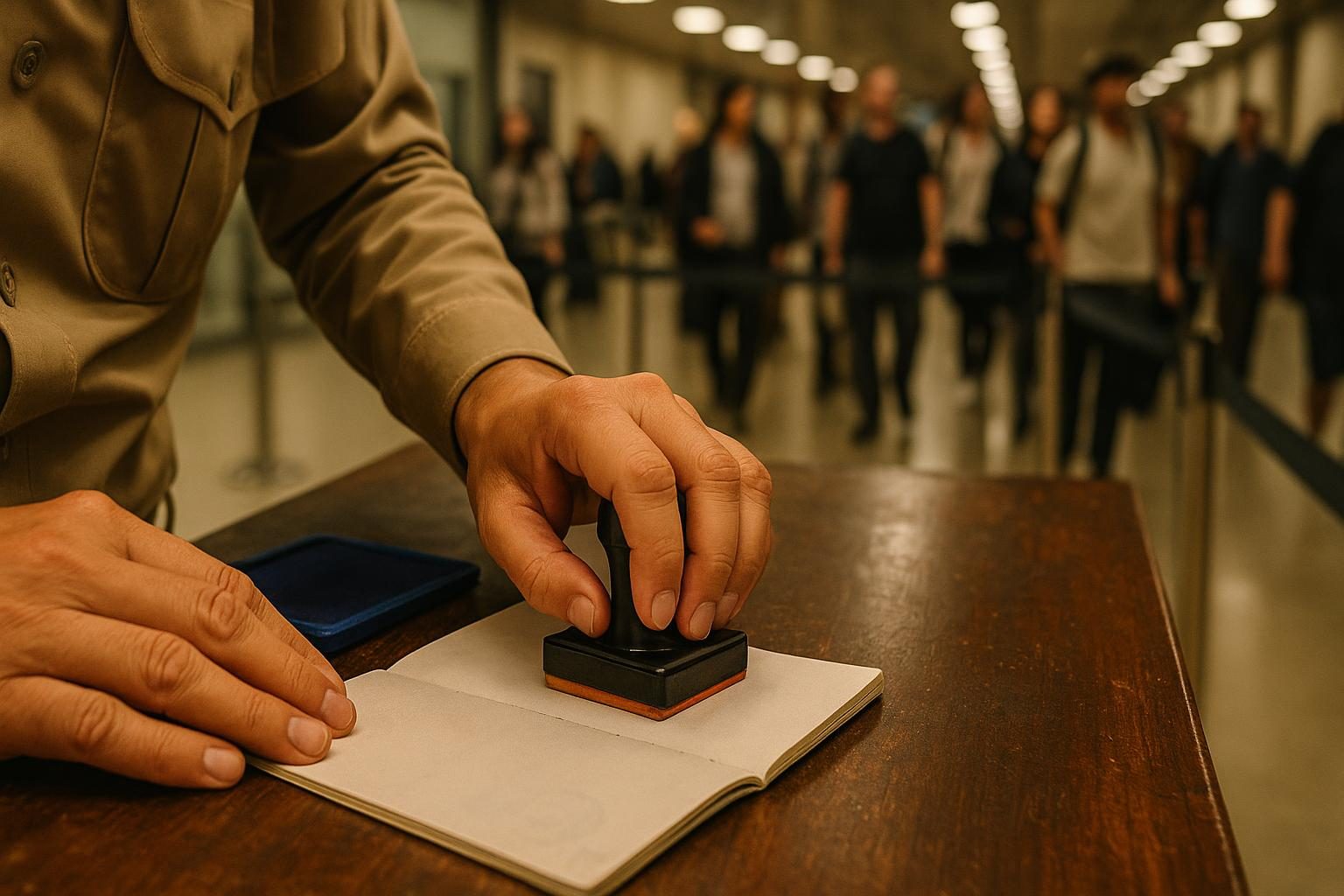
This is the rule in force today. The 60-day Thailand visa exemption for eligible nationalities is still legally valid. No Ministry of Interior notification has appeared in the Royal Gazette as of this morning. The approved change takes effect only 15 days after publication. Confirm on the official Gazette site or with Immigration before you travel.
Bangkok — Nearly three months after Cabinet approved cutting the Thailand visa exemption from 60 days back to 30 days for most nationalities, the change is still not law. Airports and land borders continue to issue the 60-day stamp.
On 19 May 2026 the Cabinet endorsed a package of Ministry of Interior notifications that would revoke the expanded 60-day scheme, return most of the 93 covered countries to a 30-day exemption, create a short 15-day tier for a few island nations, shrink the Visa on Arrival list, and reinforce a two-entry annual limit. Government spokespeople and the Tourism Authority of Thailand confirmed the decision quickly.
What they could not give was a publication date. As of 14 August 2026 that publication has not happened. A Cabinet decision is political. A Royal Gazette notice is legal. Only the second one changes the stamp an officer puts in your passport.
What the current Thailand visa rules actually allow
Until the Gazette appears, the practical position is unchanged:
- Eligible nationalities still receive a 60-day Thailand visa exemption on arrival for tourism and short stays.
- One 30-day extension remains available at immigration for 1,900 baht, giving a maximum of 90 days under the current exemption.
- The Thailand Digital Arrival Card (TDAC) is still mandatory and free, filed within 72 hours of arrival.
- Proof of funds, onward ticket and accommodation can still be requested; enforcement has been tighter throughout 2026.
Anyone already inside Thailand on a 60-day stamp keeps that stamped period no matter when the Gazette eventually appears. The change is not retroactive.

Why the delay matters for people living in Thailand
For a two-week holiday the difference between 60 and 30 days is minor. For anyone treating the exemption as a rolling long-stay tool the difference is decisive. The informal border-run lifestyle was already under pressure from entry caps and tighter questioning; the pending cut simply accelerates the end of that model.
That is why the conversation has shifted to formal long-stay routes. The DTV visa Thailand remains the clearest five-year multiple-entry option for remote workers (500,000 baht savings threshold, 180 days per entry). The classic Thailand retirement visa (Non-O / Non-OA) still sits at the familiar 800,000 baht bank balance or 65,000 baht monthly income for those aged 50 and over. Marriage, family, ED and LTR categories continue unchanged by the exemption package.
A published rule you can plan around is more useful than an approved rule that may drop with two weeks’ notice.
Practical steps while the Gazette stays silent
Three concrete actions still make sense in mid-August 2026:
- Plan trips on the 60-day rule only if your arrival is imminent. If your flight is weeks or months away, build a fallback (tourist visa or DTV) in case the Gazette appears before you land.
- Stop treating repeated visa-exempt entries as a long-term strategy. Officers already question frequent re-entries; the pending two-entry language will make that formal.
- Check the Royal Gazette yourself. Secondary sources lag. The official site and the Immigration Bureau are the only places that can turn a rumour into a date.
Cost and location reality check
None of this alters the broader arithmetic of living in Thailand. A modest single-person budget still runs roughly US$900–1,500+ a month outside the most expensive Bangkok or island pockets. Chiang Mai living, Pattaya/Jomtien and Hua Hin continue to deliver strong value for long-stayers; Phuket and central Bangkok sit higher. Thailand healthcare for foreigners remains a comparative advantage at private hospitals. The best place to live in Thailand is still a personal trade-off of cost, climate, community and visa fit — not a single ranking.
What has changed is the reliability of short-stay entry as a substitute for a proper Thailand visa. That substitution is ending, whether the Gazette appears this month or next quarter.
Key takeaways — 14 August 2026
- The 60-day Thailand visa exemption is still in force. No Gazette publication, no new rule.
- The change can arrive with only 15 days’ notice once the notifications are published.
- Existing stamps are protected. Enter before the effective date and you keep the period granted on arrival.
- Long-stay planning should already assume 30 days as the future default for most nationalities.
- Verify at source. Royal Gazette + Immigration Bureau, not forums or agency newsletters.
The honest summary
Thailand remains one of the more practical Asian countries for foreigners who want a long stay, whether the draw is cost of living in Thailand, climate, or lifestyle. The pending exemption cut does not change that. It simply removes one of the last informal work-arounds.
Treat the 60-day stamp as a temporary convenience, not a plan. If you need more than a few months, look at the formal routes — DTV, retirement, marriage, LTR — and confirm the current Thai immigration rules yourself before you book. Announced is not enacted. The stamp at the counter is still the only evidence that matters.
Sources
- Thai Cabinet decision of 19 May 2026 — revision of visa exemption and Visa on Arrival measures
- Tourism Authority of Thailand advisories confirming effect only 15 days after Royal Gazette publication
- KPMG GMS Flash Alert, 13 August 2026 — five Ministry of Interior announcements still pending
- Independent trackers confirming no Gazette publication as of mid-August 2026
- Thailand Digital Arrival Card rules — still mandatory and free at tdac.immigration.go.th
- Previous ThaiVisaFinder coverage: Thai Visa Exemption Cut Still Pending (10 August) and Thailand to Halve Visa-Free Stays to 30 Days
This article is for informational purposes only and is not legal or immigration advice. Requirements vary by nationality, port of entry and officer discretion. Always verify current Thailand visa requirements with the Royal Gazette, the Immigration Bureau or a qualified Thai immigration professional before travelling. Verified 14 August 2026.