Living in Thailand: New Disaster Insurance Explained
A government-funded scheme now insures around 30 million homes against floods, storms and earthquakes. Whether you, as a foreign renter or owner, are actually covered is the part nobody has explained yet.
The scheme is live since 1 October 2026. Published reports do not say whether foreign residents or tenants qualify, so treat that as unconfirmed and verify locally before relying on it.
Bangkok — Anyone living in Thailand through a rainy season knows a flooded soi can arrive faster than any official warning. From 1 October, a new national disaster insurance scheme is meant to speed up help. It covers roughly 30 million households, backed by a 15.5 billion baht government allocation. The headline numbers are decent. The fine print for foreigners is missing.
What the scheme pays out
According to Thai press reports, cover runs from 1 October 2026 to 30 September 2027 and applies to floods, windstorms and earthquakes. The maximum payout is 100,000 baht per household per incident, based on actual damage. Quick first payments are set at 10,000 baht for flood and 5,000 baht for storm or earthquake damage, promised within about 15 days. A death benefit of 2 million baht per person is also reported. One report adds 10,000 baht where a household cannot live normally for seven days or more.
Officials say the aim is to replace slow, case-by-case relief with insurance that private insurers help fund beyond the government’s share. The Office of Insurance Commission and the Department of Disaster Prevention and Mitigation are preparing a joint manual for residents and officials.
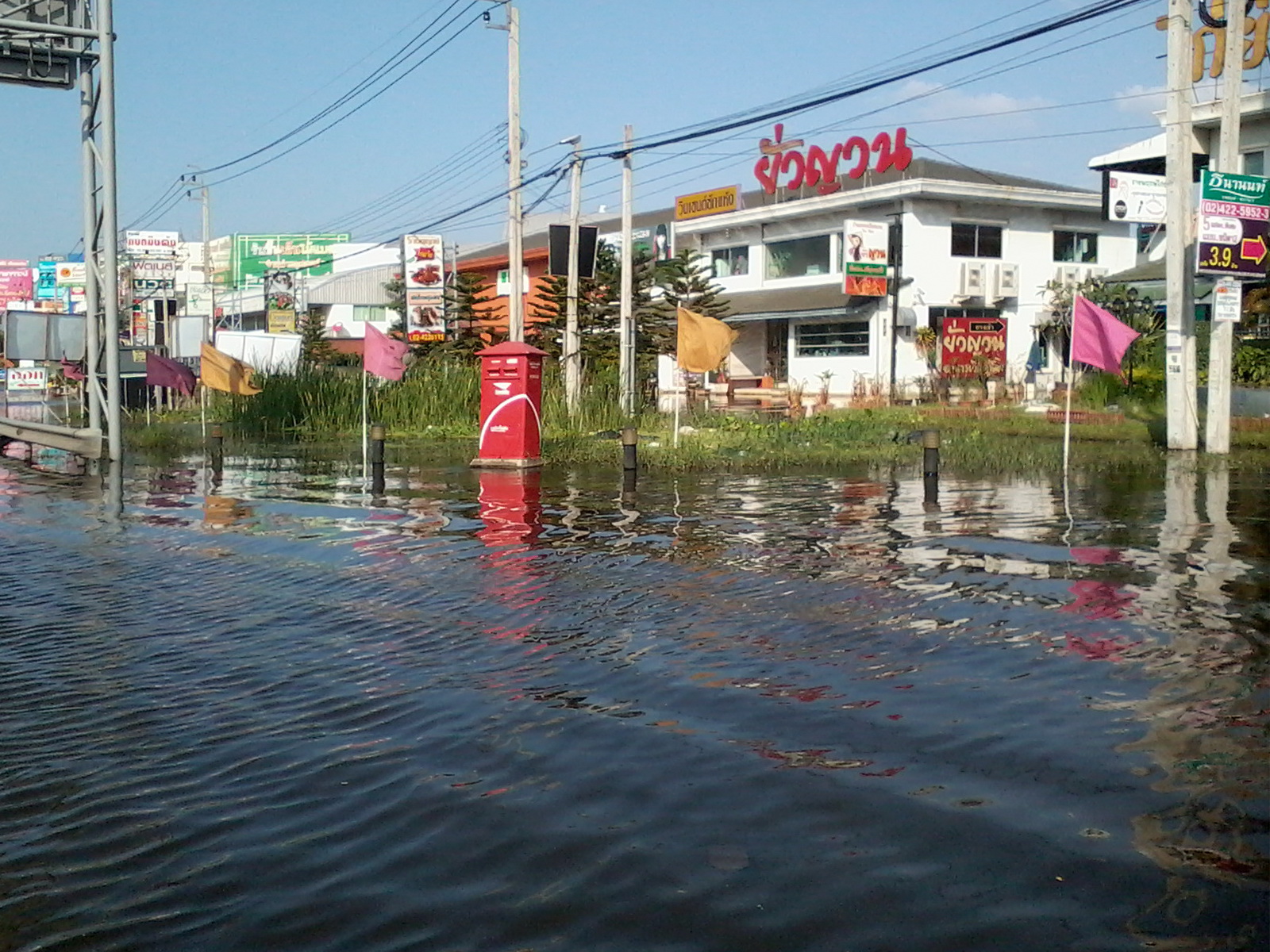
Renting in Thailand: are you covered?
This is where reports stay silent. None of the coverage I found says whether the scheme depends on Thai nationality, house registration, or ownership. In Thailand, official schemes often key off the house registration book (tabien baan), which many foreigners and tenants do not hold. If you are renting in Thailand, do not assume a payout will reach you, and do not assume your landlord will pass one on.
Ask your landlord whether the building or house is registered under the scheme, and who would receive any payment. For condos, ask the juristic person (the building management) about the structure policy and what it excludes. Contents inside your unit are normally your problem.
What a flat 100,000 baht does not do
For a standard rented house or condo, the cap may cover a clean-up and some repairs. It will not replace a car, a laptop collection, or a motorbike. If you own a house or villa in Phuket, Chiang Mai or the Bangkok fringe, a flood that damages ground-floor fittings can run well past the cap. A government scheme is a floor, not a plan.
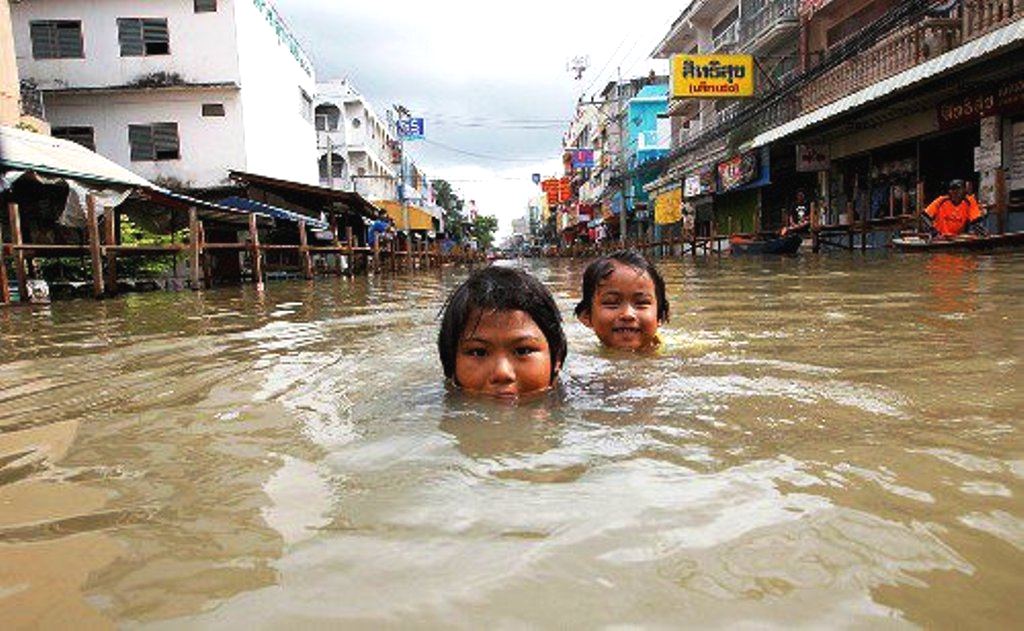
Cost of living in Thailand: private cover is still cheap
The cost of living in Thailand is easy to budget until something breaks. Private home contents and flood cover is generally inexpensive compared with Western markets, but policies differ on flood exclusions, so read the schedule rather than the brochure. Check the sum insured, the excess, and whether flood and storm are named perils. Keep photos and receipts of valuables in cloud storage.
Health is the bigger exposure. A flood brings infections, injuries and evacuation. If you are weighing Thailand healthcare for foreigners, our guide on health insurance rules for long-stay residents explains where cover is required and where it is only wise.
Pick your location with the water in mind
The best place to live in Thailand depends on more than rent. Low-lying parts of Bangkok and Nonthaburi, river towns, and some Chiang Mai neighbourhoods near waterways have repeat flood histories. Ask neighbours and shopkeepers, not only agents, about the worst water level in recent years. Visit during the rains. Prefer an upper floor if you are choosing between two similar units.
Your paperwork still needs to survive a flood
Floods destroy passports and documents. If you are moving to Thailand or on a long stay, keep digital copies of your passport, entry stamp, TM6 or arrival record, and visa pages. A lost passport can complicate a Thai visa extension or your 90-day report. Whether you hold a retirement extension, a DTV visa Thailand route, or something shorter, replacement documents take time. See our Non-O retirement visa guide for the records immigration expects.
Living in Thailand key takeaways — 3 October 2026
- The scheme is live. Reported cover runs 1 October 2026 to 30 September 2027, up to 100,000 baht per household.
- Foreign eligibility is unconfirmed. Ask your local district office or the OIC before counting on it.
- Tenants should ask the landlord. Find out who is registered and who receives any payment.
- Keep private cover. Contents, vehicles and health are not meaningfully protected by a flat cap.
- Protect your documents. Keep digital and waterproof copies of passport, visa and lease.
- Check flood history. Choose upper floors and ask locals before signing a lease.
Sources
- The Thaiger — scheme launch, payout figures
- The Thaiger — 15.5 billion baht budget, agencies involved
- Chiang Rai Times — 1 October start, 15-day first payment
- Asia News Network — implementation and OIC role
- Wikimedia Commons — Nonthaburi flood photo, CC BY-SA 3.0
- Wikimedia Commons — Bangkok flooded road photo, CC BY 2.0
This article is for information only and is not insurance or legal advice. Scheme details may change and reports differ; confirm your own cover with the Office of Insurance Commission, your insurer and a qualified adviser. Verified 3 October 2026.