Thailand Expat News: Maya Bay Reopens, Rules Stay Tight
The famous Andaman beach is open again after its annual two-month break. For anyone based in Phuket or Krabi, the rules are the story, not the postcard.
Maya Bay is open to visitors since 1 October 2026, but swimming is still banned and boats use a different pier. Daily visitor caps and timings are set by the national park, so confirm with your boat operator before you pay.
Krabi — This week’s Thailand expat news is a lighter one, but it matters if you live on the Andaman coast. Maya Bay on Koh Phi Phi Leh reopened on 1 October after the annual closure that ran through August and September. Plenty of long-stay residents treat the Phi Phi Islands as their weekend escape, and the reopening is a good moment to understand what has changed since the bay was shut entirely.
What actually reopened
Thai press and travel outlets report that the bay closed on 1 August for a two-month conservation break and welcomed boats again on 1 October. The bay sits inside the Hat Noppharat Thara – Mu Ko Phi Phi National Park in Krabi province. It is run by the Department of National Parks, not by tour companies.
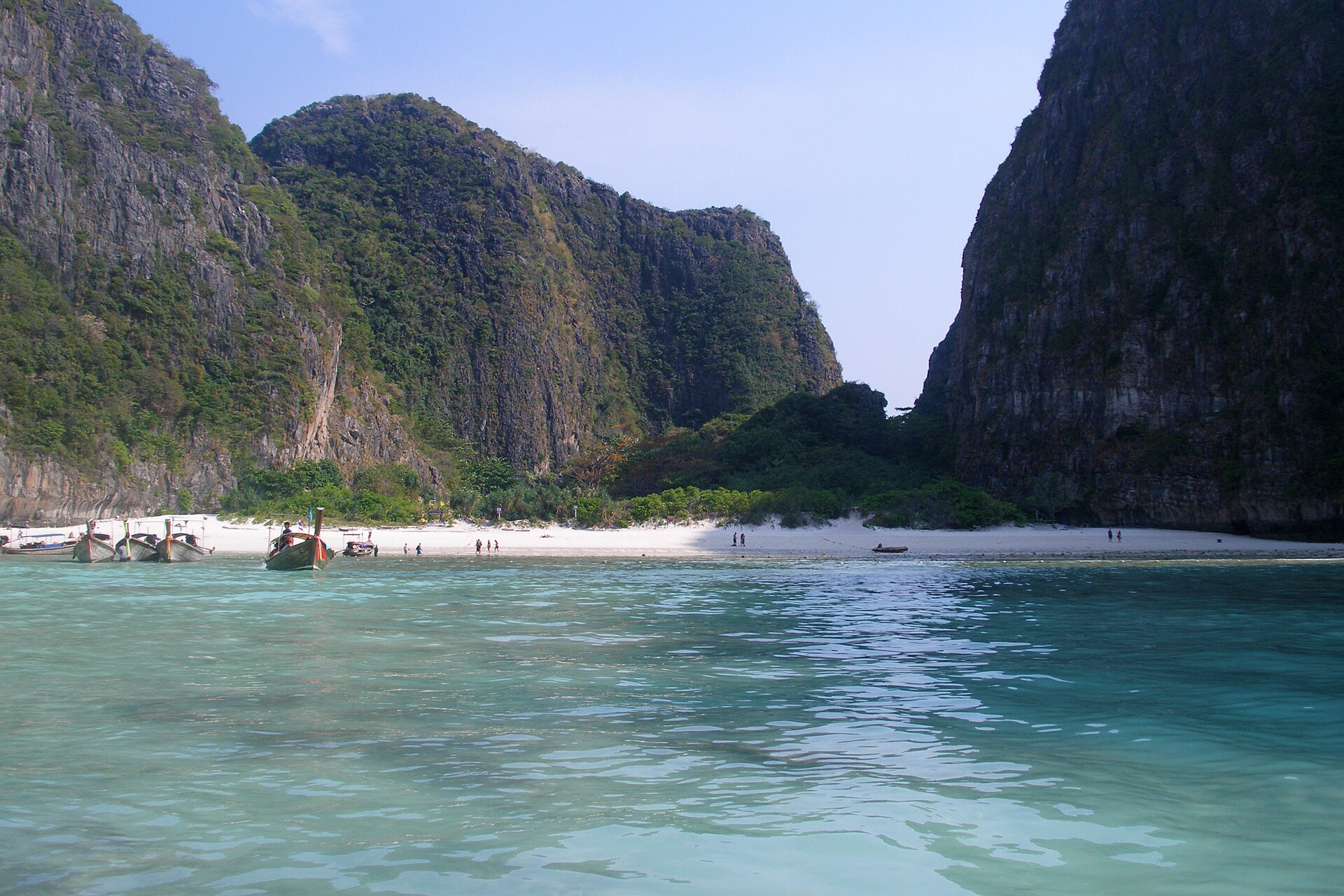
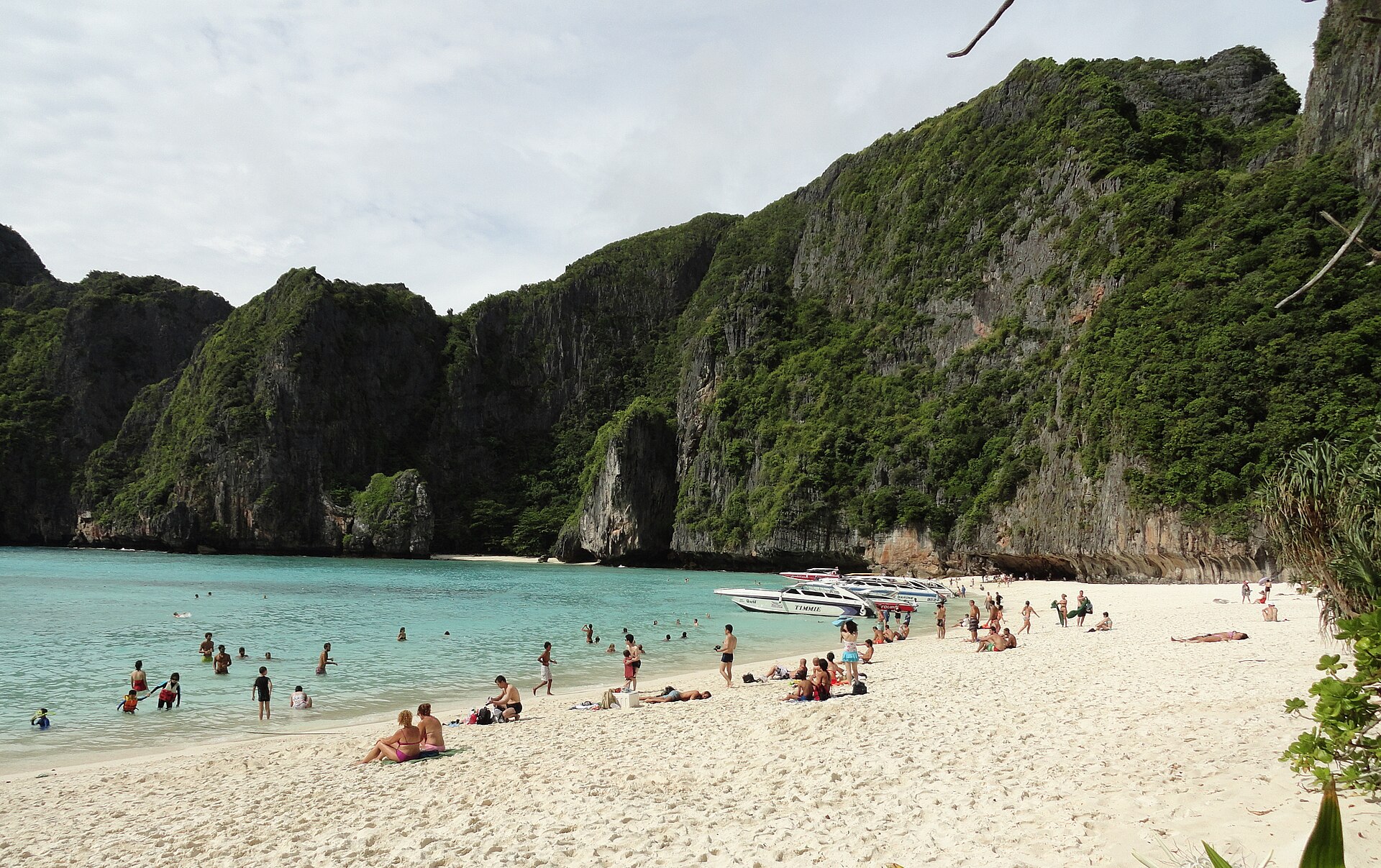
The restrictions are the part visitors miss. Swimming in the bay remains prohibited to protect the coral. Boats are directed to a pier at Loh Samah Bay on the other side of the island rather than the old beach landing. You walk across to see Maya, and you do not anchor on the sand.
Why the bay needs a break
Maya Bay was shut completely from 2018 until early 2022 after heavy tourism damaged its coral. Since reopening it has run with caps, time limits and seasonal closures. The two-month break also lines up with the southwest monsoon, when Andaman seas are rougher.
A national park survey on 2 September counted 278 adult blacktip reef sharks near the beach, reported as the highest figure for the 2026 fiscal year. Officials credit the quiet period. That is a useful reality check for any Thailand expat news reader: the rules exist because they work, so expect them to stay.
Phuket digital nomad and Krabi living: the practical bit
If you are a Phuket digital nomad on a DTV visa Thailand route, or a retiree in Ao Nang, you are likely to be asked to join a Phi Phi day trip by every visiting friend. Here is what to plan around.
Costs and the 400 baht fee
Foreign visitors are charged a national park fee, reported at 400 baht per person. Thai residents with the right documents are often charged less, but this varies by park and is checked at the pier. Carry your passport or work permit and ask your operator what is included, because some tours bundle the fee and others collect it on the day.
The cost of living in Thailand looks low until visitors arrive. Budget for boat tours, fees and lunch. A day trip is a modest expense for one person and adds up quickly for a family.
Time on the beach is short
Operators describe roughly an hour on the sand. Do not expect a lazy afternoon. If you want photos without crowds, ask for the earliest departure or an off-peak weekday. Sea conditions can still cancel trips in October, so keep your plans flexible.
Best place to live in Thailand if you want island access
People often ask for the best place to live in Thailand for beaches. Phuket has the infrastructure, hospitals and international schools. Krabi is quieter and cheaper, with fewer big-city comforts. Phi Phi itself is a day-trip island, not a place to rent long term: services are limited and prices are high. We cover the trade-offs in our Thailand city guide.
For renting in Thailand on the coast, always visit in the rainy season. Beaches that look perfect in February can be rough, muddy or closed in September. Ask owners about monsoon damage, power cuts and sea access.
Thailand long stay: keep your paperwork in order
Island hopping tempts people to forget admin. If you are on a Thailand long stay, your 90-day report and extension dates keep running whether or not you are on a boat. A cancelled ferry can push you past a deadline. The Thai immigration rules on reporting and overstay fines are unforgiving, and the same applies to anyone chasing a Thai visa requirement before a trip. Our DTV visa guide explains the stay limits and what to carry. If you hold a Thailand retirement visa, check your re-entry permit before leaving the country on any short hop from Phuket.
Health matters too. Island clinics handle cuts, stings and sunburn, but serious problems mean transfer to Phuket or Krabi town. Thailand healthcare for foreigners is good on the mainland, so make sure your insurance covers boat evacuation if you plan regular island trips.
Check before you go: a simple routine
The most useful Thailand expat news is practical. Whether you live in Bangkok, Chiang Mai or on the coast, use the same routine for any national park trip. Check the park’s own notices, ask the operator which pier they use and whether the fee is included, and confirm refund terms if weather cancels. Avoid anyone promising swimming at Maya Bay. If a boat offers it, it is ignoring the rules.
Thailand expat news key takeaways — 4 October 2026
- Open since 1 October. Maya Bay closes every August and September, so plan around it each year.
- No swimming. The ban remains, and boats use the Loh Samah Bay pier.
- Fee reported at 400 baht for foreigners. Confirm whether your tour includes it.
- Expect about an hour. Time on the beach is short and weather can cancel trips.
- Keep immigration dates in view. Island plans never pause a 90-day report or extension.
- Check official notices. Rules are set by the national park and can change at short notice.
Sources
- The Thaiger — reopening, shark survey, pier and swimming ban
- Time Out Bangkok — 1 October reopening and conservation background
- Phuket101 — park fee and visit logistics
- Wikimedia Commons — Maya beach photo, CC BY 4.0
- Wikimedia Commons — Phi Phi Leh cliffs photo, CC BY 2.0
This article is for information only. Park fees, caps and rules change; confirm with the Department of National Parks or your licensed operator. Verified 4 October 2026.