Thailand Visa: Suvarnabhumi Auto Gates Expand to 33
By the end of August 2026, inbound Auto Gates at Suvarnabhumi Airport will open to 33 nationalities instead of the current three. For anyone arriving on a Thailand visa or exemption stamp, the practical difference is measured in minutes, not hours.
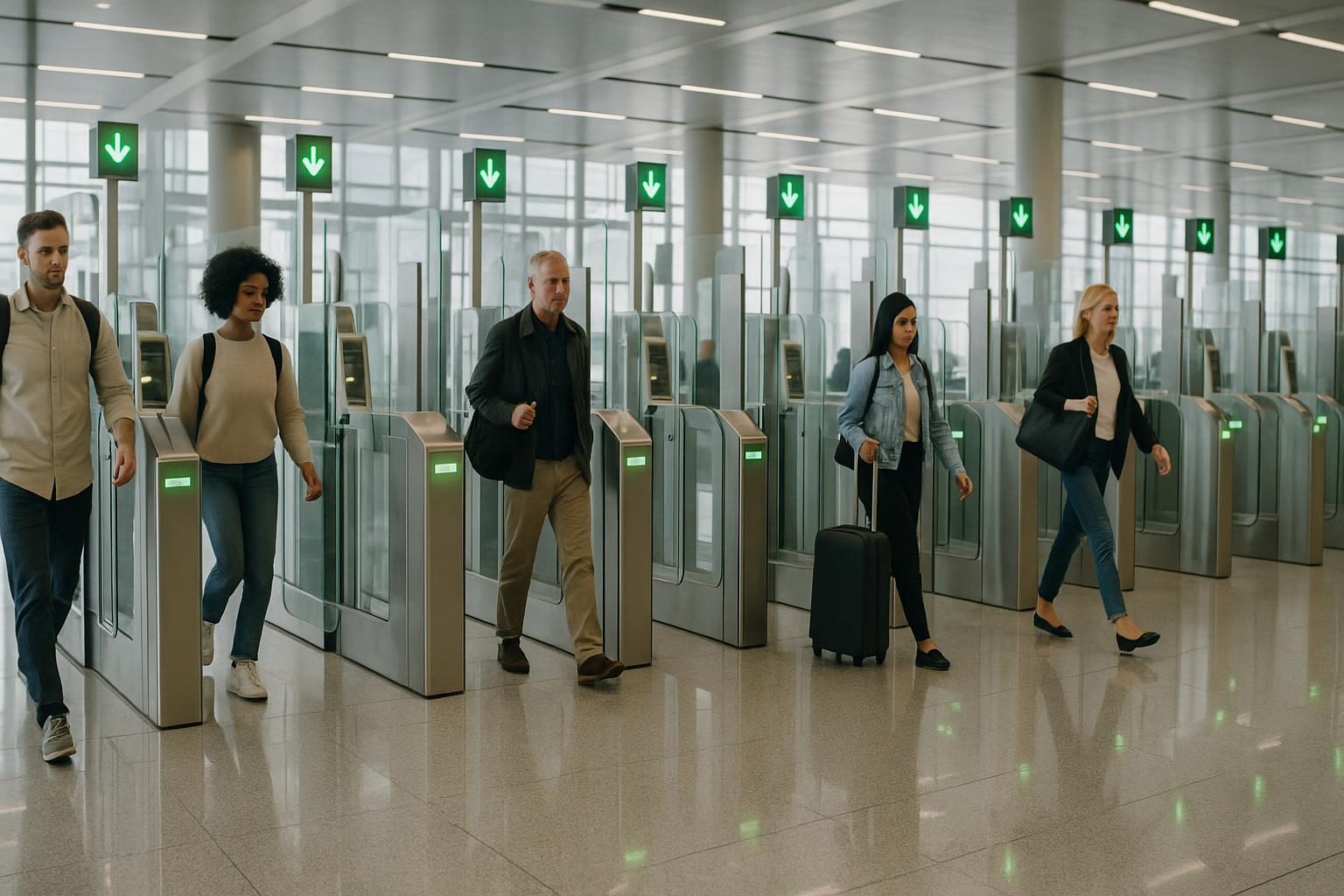
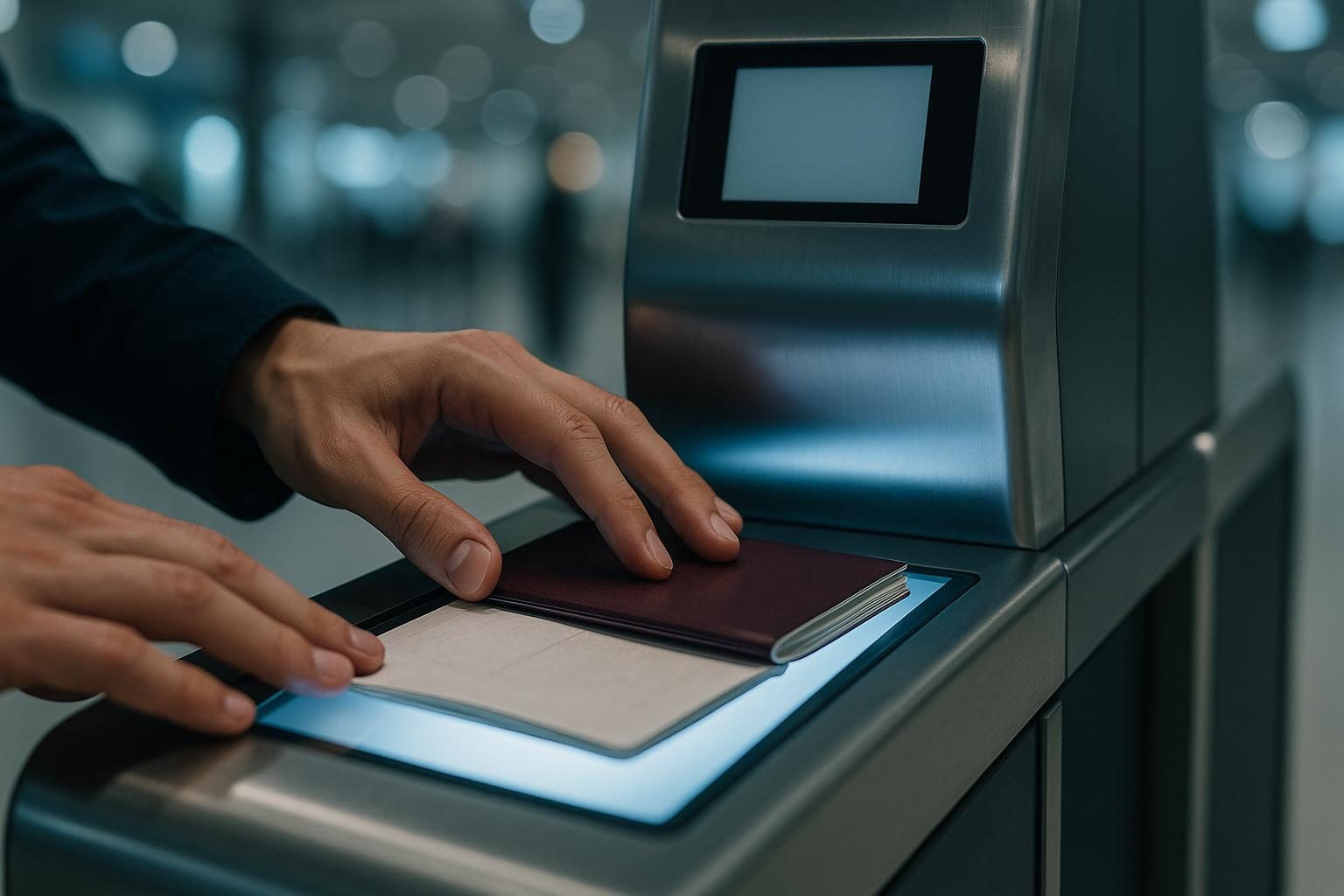
Status as of today: The Immigration Bureau has approved the expansion in principle. Final signatures are expected before the end of August. The full list of 31 additional nationalities has not yet been published. Current Auto Gate access remains limited to Thai, Singaporean and Hong Kong passport holders. Confirm at the airport or via official Immigration channels on the day you travel.
Bangkok — On 17 August 2026 Deputy Prime Minister Suphajee Suthumpun led a high-level inspection of Suvarnabhumi’s immigration hall. The clearest operational outcome was the green light to expand inbound Auto Gates from three nationalities to thirty-three.
That decision sits inside a wider push to cut peak-hour queues that currently see 5,000–6,000 passengers an hour between 14:00 and 17:00. In high season the airport processes 85,000–100,000 inbound passengers a day. Auto Gate processing averages 24–30 seconds when the system already holds the traveller’s biometric record.
For anyone living in Thailand or arriving on a formal Thailand visa, the change is incremental rather than transformative. It does not alter the length of stay stamped in the passport. It simply shortens the time spent standing in line before that stamp appears.
What the expansion actually changes for Thailand visa holders
Today the automated lanes are available only to Thai nationals plus Singapore and Hong Kong passport holders. After the expansion, 31 further nationalities will be eligible. Selection criteria published by the Immigration Bureau are entry-refusal statistics, Henley Passport Index ranking, and security-risk assessment. No official nationality list has been released as of 21 August.
Officials estimate the move will add roughly 6.5 million short-term travellers plus 900,000 long-term visa holders to the eligible pool each year. Once fully operational, about 53 percent of arriving passengers are expected to clear through Auto Gates, leaving the remaining 47 percent at staffed counters.
The rollout will be phased. Travellers who have previously entered Thailand and already have biometric data on file will be able to use the gates first. First-time arrivals will still need to present at a counter so their biometrics can be captured before future Auto Gate use becomes possible.
How this fits with current Thai immigration rules
The Auto Gate expansion does not touch the underlying Thailand visa framework. The 60-day visa exemption for eligible nationalities remains in force until the still-unpublished Royal Gazette notifications take effect. The Destination Thailand Visa (DTV), Non-O retirement routes, LTR categories and marriage visas continue exactly as before.
What does change is the physical experience of arrival for Bangkok-based expats and frequent visitors. Peak-hour queues that regularly stretched past an hour in 2025–26 are the explicit target. Faster clearance also reduces secondary risks: missed connections, exhausted children, and the temptation to accept “help” from unofficial runners in the arrivals hall.
A faster stamp is useful. A correct stamp is essential. Auto Gates do not change the legal conditions of entry.
Practical checklist for the next arrival
- Complete the Thailand Digital Arrival Card (TDAC) free of charge within 72 hours of arrival at the official site. Third-party sites that charge for the same form are scams.
- Carry the same documents you always needed — passport with six months validity, proof of onward travel if requested, and evidence of funds. Auto Gate eligibility does not remove officer discretion.
- Expect the old process on first entry after the expansion. Biometric enrolment still happens at a staffed counter for new nationalities.
- Watch for the official nationality list. Until Immigration publishes it, assume your passport is not yet included.
- If you hold a long-stay Thailand visa (DTV, retirement, LTR, Elite), the same Auto Gate rules will apply once your nationality is added and your biometrics are on file.
Cost and lifestyle context for Bangkok expats
None of this alters the arithmetic of living in Thailand. A modest single-person budget in Bangkok still sits in the US$1,200–2,000 range once rent, food, transport and basic private healthcare are included. Chiang Mai, Hua Hin and secondary cities remain cheaper. The best place to live in Thailand continues to be a personal trade-off of climate, community and visa fit rather than a single ranking.
What the Auto Gate expansion does is remove one friction point that has grown steadily since post-pandemic passenger volumes returned. For remote workers on the DTV, retirees on Non-O, and families on marriage or dependent visas, shaving 40–60 minutes off every arrival is a small but measurable quality-of-life improvement.
Key takeaways — 21 August 2026
- Auto Gates at Suvarnabhumi will expand from 3 to 33 nationalities once final signatures are complete, targeted for end of August.
- No official nationality list has been published yet. Do not assume eligibility until Immigration confirms it.
- First-time arrivals still go through a staffed counter for biometric capture; subsequent entries can use the gates.
- The underlying Thailand visa rules are unchanged. Stay length, TDAC, proof-of-funds and officer discretion remain exactly as they are today.
- Verify on the day. Airport operational changes can slip; the stamp at the counter is still the only evidence that matters.
The honest summary
Thailand’s immigration system is slowly becoming more automated for low-risk nationalities. That is good news for frequent travellers and long-stay residents who already hold a proper Thailand visa. It is not a substitute for holding the correct visa in the first place.
If you are planning a move or a long stay, the formal routes — DTV, retirement, marriage, LTR — still matter far more than how many seconds it takes to clear the arrivals hall. Treat the Auto Gate expansion as a convenience, not a strategy. Check the official Immigration Bureau notices before you travel, and keep the TDAC free and official.
Sources
- Immigration Bureau and government statements, 17 August 2026 — Auto Gate expansion to 33 nationalities approved in principle
- Deputy Prime Minister Suphajee Suthumpun site inspection, Suvarnabhumi Airport, 17 August 2026
- Passenger volume and processing-time figures released by Immigration Division 2 and Airports of Thailand
- Thailand Digital Arrival Card rules — still mandatory and free at the official immigration portal
- Previous ThaiVisaFinder coverage: 60-Day Exemption Still in Force and DTV visa Thailand guide
This article is for informational purposes only and is not legal or immigration advice. Requirements vary by nationality, port of entry and officer discretion. Always verify current Thailand visa requirements with the Immigration Bureau or a qualified Thai immigration professional before travelling. Verified 21 August 2026.