DTV Visa Thailand: New Rules Bite From 31 August
From tomorrow, Thai missions abroad want proof you actually live in the country where you are applying, plus a police certificate. The visa survives. The cheap weekend trip to Vientiane to get one does not.
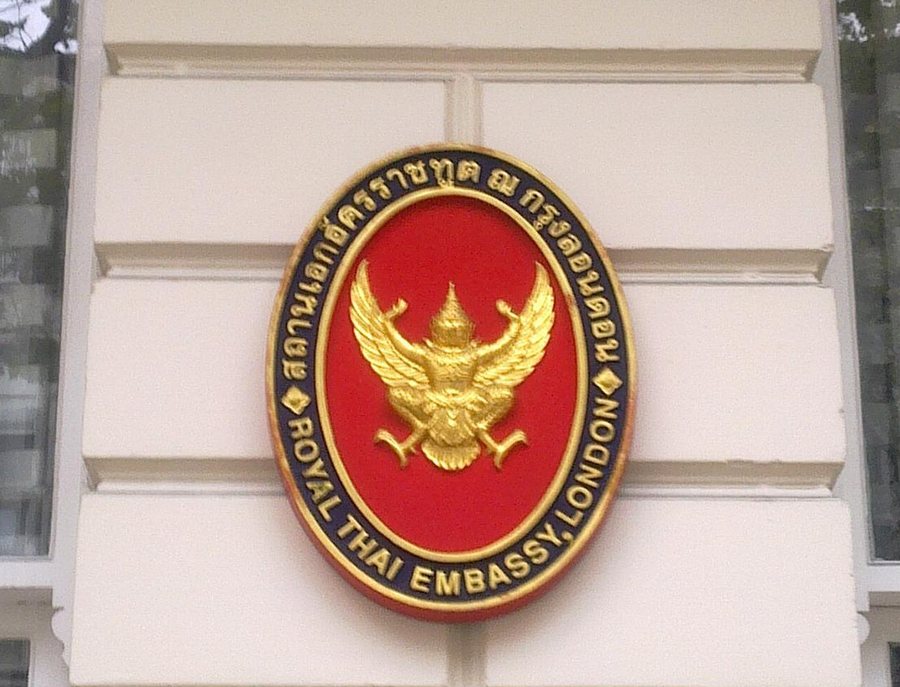
This one is real, and it starts tomorrow. The new DTV visa Thailand requirements are published on the websites of the Royal Thai Embassy in London and the Royal Thai Consulate-General in Savannakhet, with an effective date of 31 August 2026. What we have not found is a single consolidated announcement from the Ministry of Foreign Affairs — so the exact checklist still depends on the mission handling your file.
Bangkok — If you were planning to pick up a DTV visa Thailand grants for remote workers by hopping over a border and finding a friendly consulate, stop and read this first. From 31 August 2026, Thai missions are asking DTV applicants for two things they mostly did not ask for before: proof that you are a national or permanent resident of the country where you are applying, and a police clearance certificate issued within the last six months.
The Destination Thailand Visa has not been cancelled. Nobody's existing five-year sticker has been voided. What has changed is who gets to hand in the paperwork, and where.
What actually changed in the Thai visa requirement list
1. You apply where you belong
The Royal Thai Embassy in London now lists, for all three DTV streams, "proof of permanent residence in the UK, Ireland, or the British Overseas Territories" — giving indefinite leave to remain or Irish long-term residency as the examples. The Royal Thai Consulate-General in Savannakhet says the same thing in Lao terms: applicants there must be Lao nationals or permanent residents of Lao PDR.
Read those two together and the direction is obvious. Consular jurisdiction, which has always existed on paper, is now being enforced. An Australian on a tourist stamp in Laos is not a permanent resident of Laos, and should not expect a Lao mission to take his file.
2. A police certificate is now compulsory
London wants a police clearance certificate issued within six months of submission, naming the ACRO certificate and the Irish police certificate as acceptable examples. Savannakhet wants a criminal record clearance from Lao authorities or from the applicant's country of nationality. Expect translation and legalisation requirements to vary by post.
This is the item that will wreck timelines. An ACRO basic disclosure is not instant, an FBI Identity History Summary takes longer than people assume, and a European extract usually has to be apostilled and translated afterwards. Order it first, not last.
The DTV was never really a "digital nomad visa". It was a consular visa with a generous stay. Thailand has just started treating it like a consular visa.
Thai immigration rules did not change — consular practice did
This is the distinction that most of the coverage has blurred. Nothing about the visa itself moved. Official information still describes the DTV as five years, multiple entry, 180 days per entry, with one extension of up to 180 days available in-country through the Immigration Bureau, subject to approval. The 500,000 baht financial evidence is unchanged. The three streams — remote work, Thai soft power activities such as Muay Thai or culinary training, and dependants — are unchanged.
What moved is the front door. And because the front door is operated by individual embassies rather than by Thai immigration rules published in the Royal Gazette, you will not find one clean national text to point at. You have to read the page of the specific mission that will handle your file, on the day you file it.
The real cost, in weeks and baht
Here is the part the agency ads will not run. Under the old habit, a Phuket digital nomad already in Thailand could fly to Vientiane for a few nights, file, and fly back — call it 15,000 to 25,000 baht all in. That route is closing.
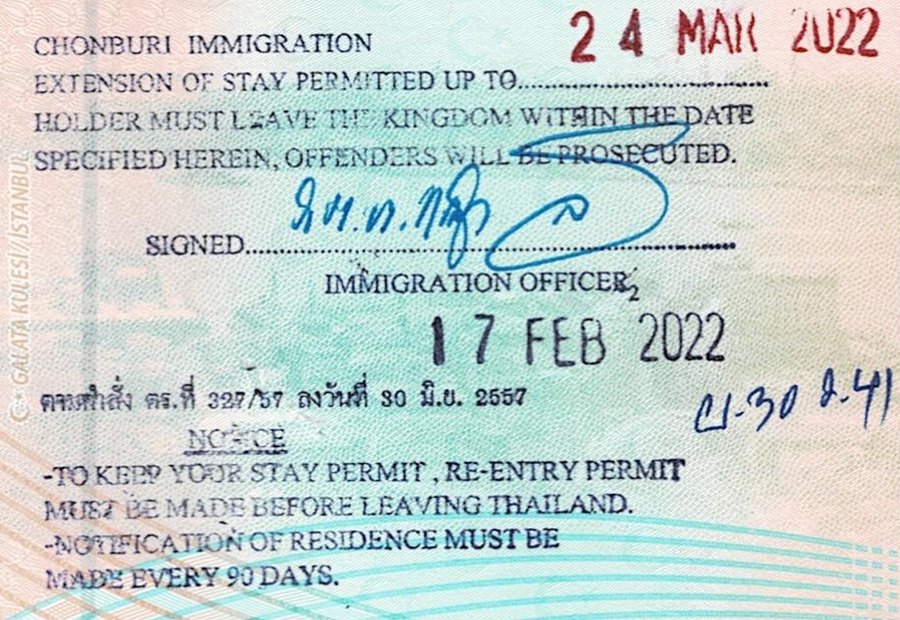
Under the new pattern, if you are British you fly home or apply from home, pay £300, and add the ACRO fee plus posting. If you are American, Canadian or Australian, budget for a national-level police check, courier costs, certified translation where required, and the possibility that your nearest mission has a queue. For someone already living in Thailand, the honest number is a return flight plus two to six weeks of document lead time, and the flight is usually the smaller line.
Against that, put the cost of living in Thailand you are protecting: a serviceable one-bedroom in a decent Bangkok building is still around 18,000 to 30,000 baht a month, Chiang Mai living runs materially cheaper, and renting in Thailand remains the single largest saving most people make when they move. The visa admin is annoying. It is not the thing that decides whether the move works.
Key takeaways — 30 August 2026
- Effective 31 August 2026 at the missions that have published it — London and Savannakhet confirmed, Vientiane announced.
- Apply where you are a national or permanent resident. Third-country convenience applications are the target of this change.
- Police clearance certificate required, issued within six months. Order it before you book anything.
- The visa itself is unchanged: five years, multiple entry, 180 days per entry, one 180-day extension per entry, 500,000 baht financial evidence.
- Already submitted and paid before 31 August? Vientiane says you are not affected. Confirm with your own mission anyway.
- Existing DTVs are not cancelled. Nothing here voids a visa already in your passport.
- Dependants are not exempt. DTV3 spouses and children need the same residence proof and police certificate, with a concession for under-16s in London.
If your application is already in
The Royal Thai Embassy in Vientiane stated that applicants who submitted and paid the visa fee before 31 August 2026 are not caught by the new requirements. That is a reasonable transitional line, but it is a statement from one mission, not a national grandfathering rule. If your file is sitting with a different post, email that post and get the answer in writing before you make travel plans on the strength of it.
And if you are mid-application through an agent, ask them one specific question: which mission is my file with, and what does that mission's published checklist say today. An agent who cannot answer that in one sentence is not managing your application, they are forwarding your documents.
What this means for the wider long-stay picture
Since May we have been tracking a pattern rather than a policy: e-gates for more nationalities, the THIM digital arrival system, tighter deportation procedure, and now tighter DTV screening. Each step is defensible on its own. Together they say the same thing — Thailand is happy to have you, and increasingly intends to know exactly who you are before you arrive.
For anyone weighing up moving to Thailand, the practical response is not panic, it is sequencing. Pick the route that matches your actual life rather than the one that is easiest to obtain this month. If your purpose is genuine long-term study or training, the ED visa is worth a second look now that the DTV's easy path has narrowed. If you are over 50 with pension income, the Thailand retirement visa route through a Non-O extension was never affected by any of this. And if you are choosing between hubs, the calculus on the best place to live in Thailand — hospital access and Thailand healthcare for foreigners, immigration office temperament, flight connections — matters far more over five years than which consulate stamped your first entry.
The honest summary
The DTV visa Thailand offers remote workers is still one of the best long-stay options on the table, and our full DTV guide still holds on the substance. What died this week is the workaround: the assumption that if one Thai mission says no, another one down the road will say yes. That was never how it was supposed to work, and it has now been written down.
Plan your DTV visa Thailand application from your own country, with your police certificate in hand and six weeks of slack in the schedule. Verify the checklist on the website of the exact mission that will process it — not a forum post, not a Facebook group, and not this article. Rules set post by post change post by post.
Sources
- Royal Thai Embassy, London — Destination Thailand Visa, page updated 31 August 2026 — permanent-residence proof for UK, Ireland or British Overseas Territories; police clearance certificate issued within six months; £300 fee; 500,000 THB financial evidence; DTV1/DTV2/DTV3 document lists and the under-16 concession
- Royal Thai Consulate-General, Savannakhet — Destination Thailand Visa — requirement that applicants be Lao nationals or permanent residents of Lao PDR, and criminal record clearance requirement, effective 31 August 2026
- Ministry of Foreign Affairs of Thailand — Destination Thailand Visa (DTV) — five-year validity, multiple entry, 180 days per entry, qualifying activities
- The Camp, Chiang Mai, "Thailand DTV Rules Tighten from 31 August 2026", 28 August 2026 — Royal Thai Embassy Vientiane announcement and the transitional position for applications submitted and paid before 31 August
- Thai Immigration Bureau — in-country extension of stay, re-entry permits and 90-day reporting
This article is for informational purposes only and is not legal or immigration advice. DTV requirements are published and applied by individual Royal Thai Embassies and Consulates-General and differ between missions; at the time of writing no consolidated Ministry of Foreign Affairs announcement covering all of these changes has been located. Requirements, fees and processing times change without notice. Confirm the current checklist with the mission that will handle your application before booking travel or ordering documents. Verified 30 August 2026.