Living in Thailand: Cannabis Goes Medical-Only
The Cabinet has signed off on a law that would end the walk-in weed shop. Nothing changes on the street tomorrow. But if you live here, the rules you are actually judged by are already tighter than the shopfronts suggest.
The draft Cannabis Control Act was approved by Cabinet on 22 September and now goes to the House of Representatives. It is not yet law. The medical-prescription rules brought in during 2025 are in force today and are what inspectors enforce.
Bangkok — For anyone living in Thailand since 2022, the green-leaf shopfront has become as ordinary as a 7-Eleven. On Tuesday the government moved to make it history. Public Health Minister Pattana Promphat announced that Cabinet had approved a new cannabis control bill that treats the plant as medicine only, licenses every stage from farm to sale, and gives existing dispensaries a hard deadline: convert into a licensed clinic with a medical practitioner, or close.
It is not the dramatic "back on the narcotics list" reversal some headlines imply. It is slower and, for long-stay foreigners, more practical than that. Here is what the bill does, what is already enforceable, and where expats tend to get caught out.
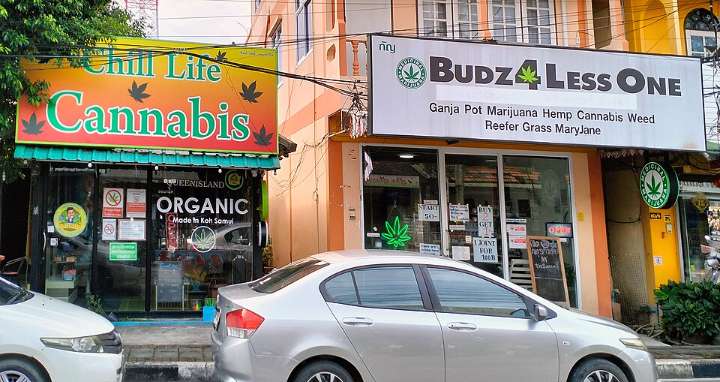
What the Cabinet actually approved
The bill builds a single licensing system around cannabis. Farms of every size must register their location and output. Growing, processing, importing, exporting and selling all need a licence, generally valid for three years. A national cannabis committee chaired by the Public Health Minister sits on top, and penalties are described as "clearer and heavier" than today's.
| Rule in the bill | What it means day to day |
|---|---|
| Medical use only | Supply only against a prescription signed by an authorised practitioner. Recreational buying ends as a legal category. |
| Who cannot buy | Anyone under 20, and pregnant or breastfeeding women. |
| Where it cannot be sold | Schools, temples, dormitories, public parks, zoos and amusement parks. |
| Advertising | No promotion of flowers, resin or smoking equipment. |
| Existing shops | Trade under current licences until expiry, then convert to a licensed cannabis clinic or close. Latest expiry: 2028. |
The shop-closure timeline for Bangkok, Phuket and Chiang Mai
More than 10,000 cannabis outlets and grow sites are registered nationally, and the ministry says over 95% are now in its digital database. Their three-year licences expire in waves: roughly 5,000–6,000 this year, another 4,000–5,000 in 2027, and about 1,000 running into 2028.
So the Bangkok expat on Sukhumvit, the Phuket digital nomad in Patong and anyone enjoying Chiang Mai living near Tha Phae Gate will see shop numbers thin gradually, not overnight. Expect the survivors to look more like pharmacies — a practitioner on site, a prescription on file, and a 30-gram, 30-day cap per patient.
The shopfront is not the law. The prescription is. That has been true since mid-2025, and inspectors are about to start checking.
The catch nobody mentions: the rules already apply
Flower sales have required a medical prescription since mid-2025. In June 2026 the ministry admitted it had found forged medical certificates and pre-signed Phor Thor 33 prescription forms being used to sell to walk-in customers. Prescription codes are now checked digitally against the issuing practitioner and clinic, and duplicates get flagged.
What that means for you: a "consultation" that takes thirty seconds at the counter is not a medical prescription, and if the paperwork behind your purchase is fake, you are the one holding product without a legal basis. Inspection teams are being sent specifically to tourist provinces and big cities.
Why it matters more if you hold a Thai visa
A tourist who gets a fine goes home. A foreigner living in Thailand on a retirement, marriage or DTV visa Thailand stamp has far more to lose. Thailand's unified deportation regulation took effect on 28 August and gives the authorities wide discretion over foreigners whose conduct is judged contrary to public order. We covered it in Thai visa holders face new deportation rules. A drug case, even a small one, is the kind of record that can surface at your next extension.
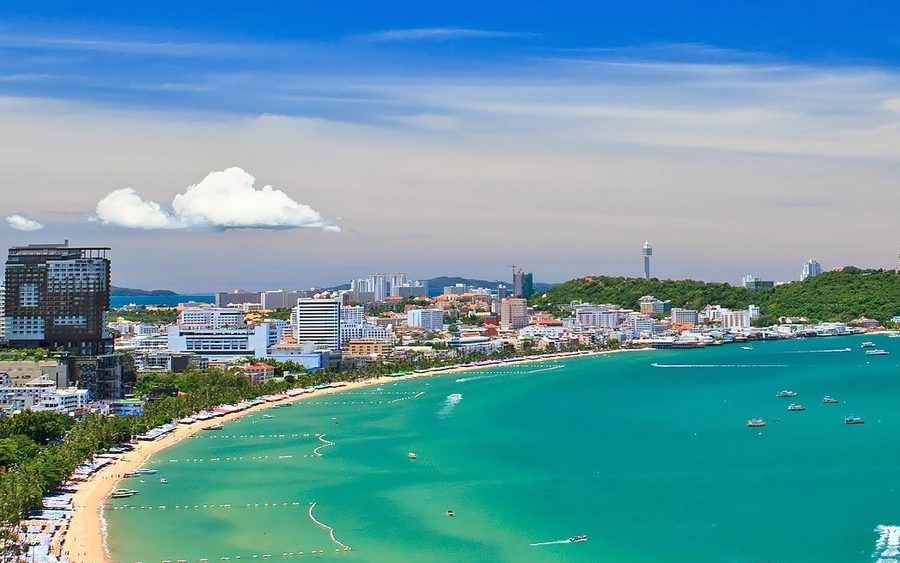
Do not carry it home, or anywhere else
The same week as the Cabinet vote, a UK court sentenced four couriers over 460 kilograms of Thai cannabis packed into 22 suitcases. UK arrests of air passengers carrying Thai cannabis rose again in 2025 and surged in the first half of 2026. The point for residents is simple: Thai rules end at the departure gate. Taking cannabis, edibles or oils out of Thailand is trafficking under almost every destination's law, and gangs actively recruit travellers to do it. If a stranger or a "friend of a friend" offers you a free flight with a bag, walk away.
Practical steps for expats this month
If you use cannabis for a real condition, get assessed by a licensed doctor or Thai traditional medicine practitioner and keep the prescription with the product. Buy only from a shop you can find in the ministry's registry, and do not buy more than the prescribed amount. Never use it in or near schools, temples, parks or your condo's shared areas — building juristic offices can and do complain.
If you do not use it, very little changes, except that your street may get quieter. If you are renting in Thailand, it is worth asking what the shop downstairs will become when its licence runs out before you sign a two-year lease. For the wider cost of living in Thailand and Thailand healthcare for foreigners, this bill is a footnote. For your visa file, it is not.
Choosing the best place to live in Thailand? Our city guide compares Bangkok, Chiang Mai, Phuket, Hua Hin and more on the things that actually cost money.
Key takeaways — 23 September 2026
- Cabinet approved, Parliament next. The Cannabis Control Act is a draft until it passes the House.
- Medical-only, licensed end to end. Farms register; sales need a practitioner and a prescription.
- Shops phase out by 2028. About 5,000–6,000 licences lapse this year; survivors become clinics.
- Prescriptions are checked now. Forged or instant paperwork puts the buyer at risk, and inspectors are targeting tourist areas.
- Visa holders have more to lose. A drug record can follow you into extensions under the August deportation rules.
- Never take it out of Thailand. Abroad it is trafficking.
Sources
- Thai PBS World, 22 September 2026 — Cabinet approval; shops to convert to clinics; licences expire by 2028; inspections in tourist provinces
- Bangkok Post, 22 September 2026 — medical-use-only cannabis bill
- Thai Examiner, 23 September 2026 — licence expiry waves, age and location limits, forged prescriptions, UK courier sentencing
- Thai PBS World explainer, June 2025 — the 2025 prescription requirement
- Thai Immigration Bureau — extensions, reporting and stay conditions
- Wikimedia Commons — Koh Samui photo by Per Meistrup, CC BY-SA 4.0
This article is for information only and is not legal, medical or immigration advice. The Cannabis Control Act is a Cabinet-approved draft and its final text may change in Parliament. Check current rules with the Ministry of Public Health, a Thai lawyer, or the Thai Immigration Bureau before acting. Verified 23 September 2026.