Living in Thailand: 11 Days Left on the 60-Day Stamp
The Foreign Ministry confirmed on Thursday that the 60-day visa-free entry dies at midnight on 14 September. If you are still here on tourist stamps, the next eleven days are a planning window — not a loophole to stretch forever.
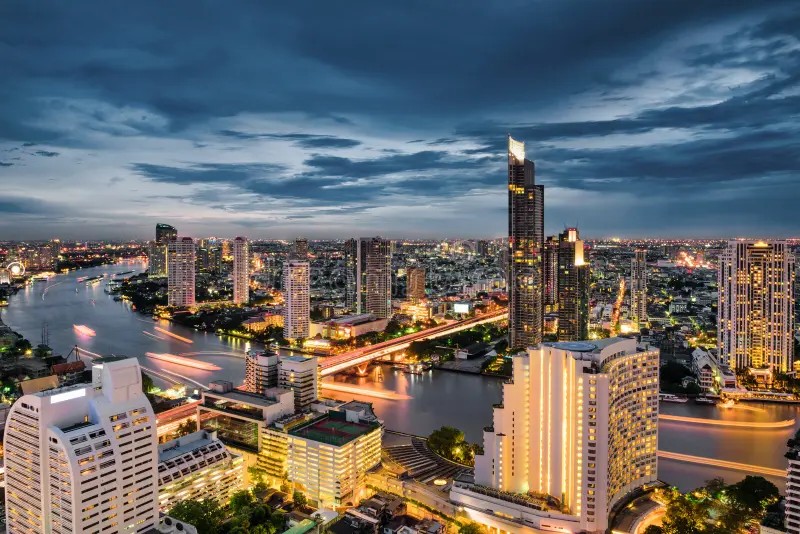
The date is no longer in dispute. On Thursday 3 September the Department of Consular Affairs briefed that the 60-day exemption ends on 15 September 2026. Travellers who arrive on or before 14 September keep the stamp they receive. After midnight that night, eligible passports get 30 days for tourism. This briefing does not change the Royal Gazette text published on 31 August. It only removes the last excuse for waiting.
Bangkok — If you are still here on a chain of tourist stamps, Thursday's Foreign Ministry briefing is the last official confirmation you are going to get. Mungkorn Pratoomkaew, director-general of the Department of Consular Affairs, told reporters the average foreign tourist already stays under 15 days, so a blanket 60-day exemption was doing work the holiday market did not need. The 30-day replacement, he said, is the one that matches the data.
That is a polite way of saying the 60-day stamp was being used as a residence permit. From 15 September it will not be. The question for anyone without a proper visa is not whether the rule is real. It is what you do with the eleven days that remain.
What the MFA actually confirmed this week
Three points from the Thursday briefing matter more than the rest of the coverage.
First, existing stamps are not shortened. If you are already inside the country, the permitted stay written in your passport stands. Nobody is being pulled forward to 15 September. The same is true if you land on or before 14 September: that entry is processed under the current scheme, even if you stay past the cutoff.
Second, bilateral treaties are untouched. Sixteen countries and territories with mutual visa-waiver agreements stay on their own clocks — 14, 30 or 90 days, depending on the treaty. South Korea, Brazil, Argentina, Chile and Peru keep 90 days. China, Russia and Vietnam keep their existing 30-day arrangements. Do not mix those lists with the 60-country tourism exemption.
Third, the purpose line narrowed. The new exemption is for tourism. The older wording that stretched to short meetings and urgent work is gone. If you have been flying in visa-exempt to sit in a Bangkok office or run a Phuket digital nomad month as if it were a holiday, the legal cover for that activity is thinner after 15 September than it was in July 2024.
Eleven days will not fix a visa problem you have been postponing for two years. They will buy you one last 60-day stamp — if you can actually get here by the 14th.
The honest options if you are already here
1. Arrive by 14 September — only if a 60-day stamp actually helps
A cheap last-minute flight to lock a 60-day stamp is tempting if you are living in Thailand already and can time a short exit. Do the arithmetic before you book it. You still need an onward ticket, a completed Thailand Digital Arrival Card within three days of arrival, and a purpose that looks like tourism at the counter. You also need a plan for day 61. A 60-day stamp plus one 30-day extension is 90 days total. After that you are back in the new system: 30 days, one extension, two land entries a year.
If your next trip was already booked for mid-September, moving it forward by a few days is rational. Flying halfway around the world just to harvest a longer stamp is usually not.
2. Stop treating land borders as a lifestyle
The two-entry-per-calendar-year cap on visa-exempt land crossings is the part that ends the bus-ticket lifestyle. Nationals of Malaysia, Brunei, Indonesia and Singapore are carved out. Everybody else is not. Air arrivals do not count against that cap, but they cost real money and they still produce only a 30-day tourism stamp after 15 September.
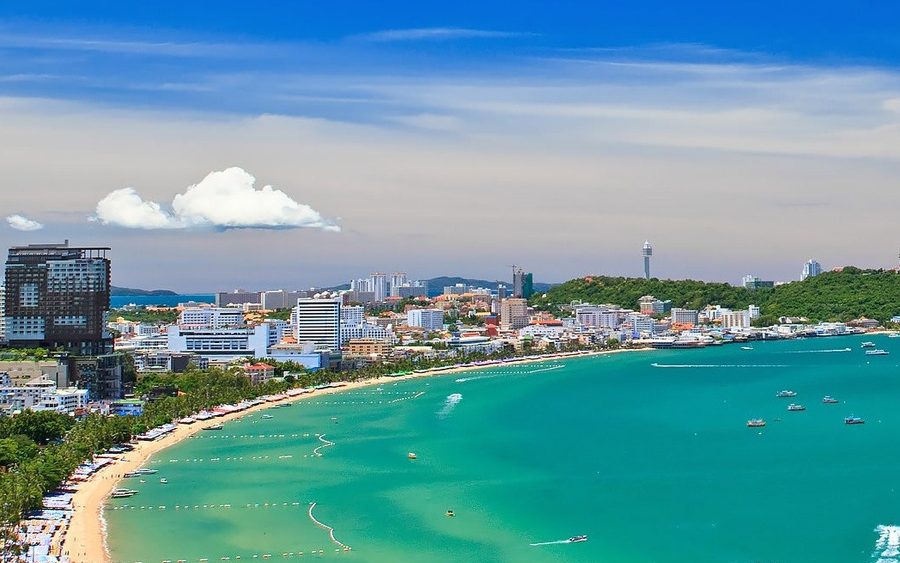
Provincial practice will vary. Chiang Mai living and the Pattaya corridor will feel the queue first because that is where the repeat entries cluster. Khon Kaen and smaller offices will feel quieter, then suddenly busy when the first wave of 30-day extensions hits in October.
3. Pick a real long-stay route — and price the catches
This is the part most countdown pieces skip. A Thailand visa requirement is not one product. The routes that actually support a stay past October have different clocks, different cash tests and different failure modes.
| Route | What you get | The catch nobody puts in the ad |
|---|---|---|
| DTV visa Thailand | 5 years, 180 days per entry, one 180-day extension | Apply only in your country of citizenship or legal residence. Police certificate now required. 500,000 baht must actually be there. |
| Non-O retirement | 1-year extensions after age 50 | 800,000 baht in a Thai bank, or 65,000 baht a month of pension, checked at each renewal — including balances from months ago. |
| Thailand Privilege Bronze | 5-year multiple entry, no bank-balance test | 650,000 baht fee. New Bronze applications close 30 September 2026. After that the floor is Gold at 900,000. |
| Tourist exemption + TM.7 | 30 + 30 days from 15 September | Tourism purpose only. Two land entries a year. No work. No reliable banking. |
A second clock is running in parallel. Thailand Privilege Bronze — the 650,000-baht, five-year entry tier — is scheduled to close to new applications on 30 September 2026. That is an application deadline, not an approval deadline, according to the authorised sales network. It is also a paid product, not a public visa. Do not buy it because a countdown page told you to. Buy it only if the DTV, a Thailand retirement visa, or an LTR does not fit, and you have read the points system and the refund rules first.
Hidden costs of staying on stamps
The cost of living in Thailand conversation usually starts with rent. After 15 September it should start with friction.
- Banking. Tourist stamps already fail most account openings. A certificate of residence is the document branches actually want, and you generally cannot get one on a 30-day exemption. We covered that trap in the bank-account guide.
- Insurance and healthcare. Thailand healthcare for foreigners is excellent if you can pay. A 30-day stamp does not create a local insurance market for you. Private cover from home, or a policy written for Thailand, is still on you.
- Renting in Thailand. Landlords in Bangkok and Phuket have started asking to see a visa that outlasts the lease. A 30-day stamp plus a verbal promise of an extension is a weaker file than it was in 2024.
- Extensions. The 1,900-baht TM.7 is still available. The queue in October will not be. Budget a full day, photocopies of everything, a photo, and a TM30 that your landlord actually filed.
Put those four against a DTV fee of 10,000 baht or a Non-O extension cycle and the "free" tourist path is often the expensive one. That is why living in Thailand works best when the visa is legal first — and only then the place with the nicer morning market.
Key takeaways — 4 September 2026
- MFA confirmed the switch on 3 September. 15 September 2026 is the first day officers apply the new 30-day tourism exemption.
- Stamps already granted are not cut short. Arrive on or before 14 September and that entry keeps its original length.
- Rolling tourist entries are finished as a plan. Two land entries a year plus a tourism-only purpose line close the old circuit.
- A proper route is cheaper than a year of logistics. Compare DTV, Non-O, LTR and Privilege against your age, savings and work pattern — not against a Facebook group.
- Bronze Privilege closes 30 September. That is a second deadline, not a substitute for checking whether you even need the product.
The direction of Thai immigration rules in 2026 has been consistent: shorter tourist stamps, tighter land borders, and long-stay products that want documents. Staying here legally is still straightforward if you pick one of those products and meet the test. It is about to become expensive and stressful if you do not.
Use the next eleven days, if you are living in Thailand right now, to choose a route rather than hunt one more stamp. The free Thailand visa finder will screen the legal options against your actual situation in a few minutes. Then verify the result with the Thai e-Visa portal or the mission that covers you — not with the person selling the flight to Vientiane.
Sources
- Xinhua, Thailand tourist visa overhaul 15 Sept, 3 September 2026 — MFA briefing by Mungkorn Pratoomkaew
- TAT Newsroom, 1 September 2026 — 30-day and 15-day lists, land-border cap
- Royal Gazette, Volume 143, Special Issue 207 Ngor, 31 August 2026
- Time Out Bangkok, 3 September 2026
- Thailand Business News, 1 September 2026
This article is for informational purposes only and is not legal or immigration advice. Confirm your own position with the Thai Immigration Bureau, the Ministry of Foreign Affairs, the Thai e-Visa portal, or a qualified Thai adviser. Verified 4 September 2026.