Living in Thailand: 6 Health Insurance Claim Traps
Your policy says you are covered, yet the claim comes back short. If you are living in Thailand on private insurance, these six traps explain most of the nasty surprises, and each one can be fixed before you go through the hospital door.
This is a practical guide, not a rule change. No Thai visa or immigration rule has changed this week. It builds on a Thaiger explainer published 15 October. Policy wording differs by insurer, so your own contract always wins over any general list.
Bangkok — Living in Thailand means private hospitals that feel like five-star hotels, and bills that can still shock you. Thailand healthcare for foreigners is good value, but good value is not the same as automatically paid. A Thaiger guide this week set out six reasons claims get rejected even when you hold a valid policy. Here is how those traps look from the expat side, with the catches nobody mentions.
Why this matters for your visa too
Many long-stay routes now lean on insurance. Our guide to health insurance rules for living in Thailand shows which visas demand cover and how much. A policy that satisfies an immigration officer can still disappoint you at the hospital cashier. The Thai visa requirement is a paper test. The claim is a real-world test, and it is the one that costs money.
One disclosure: the Thaiger piece is partly sponsored by an insurer. The six reasons themselves are standard industry points, and I have added the expat angle. We take no commission from anyone.

The six claim traps
1. The treatment is not in your plan
International plans often sell strong inpatient cover and treat outpatient visits, prescriptions and dental as optional extras. If you chose a cheaper plan, a specialist consultation may be paid at zero. Check your schedule of benefits for the word “outpatient” before you need it.
2. The insurer doubts it was necessary
Insurers can question an overnight stay for tests, or argue that charges are above the usual level. Thai hospitals admit patients readily, so this clash is common. Ask the doctor for a short written medical report explaining why the stay or treatment was needed. It costs little and answers the question before it is asked.
3. No prior approval
Planned care such as knee surgery often needs sign-off first. Missing it does not always mean a full rejection, and the Thaiger piece is clear on that point, but it can cut your payout. Call the insurer, get approval in writing, and show the letter at admission.
The hospital accepting your card is not the same as your insurer agreeing to pay.
4. Thin paperwork
A bare 25,000-baht receipt tells an insurer almost nothing. Ask for an itemised invoice, the medical report and proof of payment, and photograph everything before you leave. Missing papers do not always kill a claim, but they can delay it for weeks.
5. Limits and waiting periods
A big annual maximum can hide small sub-limits, for example on physiotherapy. Waiting periods can also delay benefits such as maternity care. If you are changing insurers, ask whether the new waiting periods restart from zero.
6. Deductibles and cost sharing
With a 50,000-baht bill and 10,000 baht of deductible still unmet, the insurer pays 40,000 and you pay 10,000. Nothing is wrong, but many expats forget the deductible resets each policy year.
Cost of living in Thailand: budget for the gap
The cost of living in Thailand stays low on rent and food, so healthcare is the line that can blow a budget. Keep a cash buffer for deductibles and for treatment that your plan excludes. Retirees chasing a Thailand retirement visa should note that a minimum visa policy and a policy that pays well are very different products. Our report on retiring in Thailand on a frozen pension shows how tight those budgets can get.
Chiang Mai, Phuket and the provinces
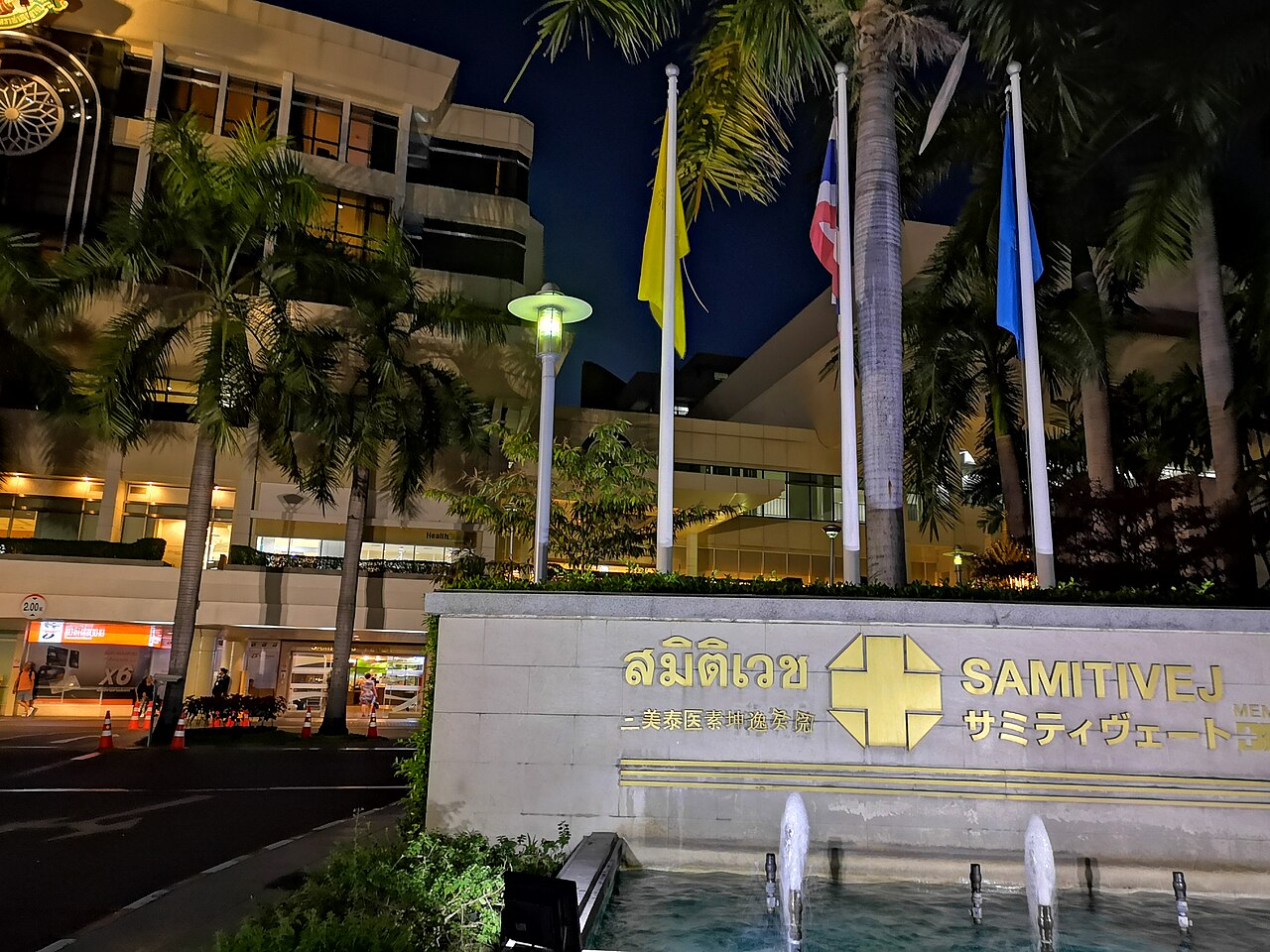
Chiang Mai living and island life bring cheaper rent, but fewer hospitals that bill insurers directly. In Phuket, digital nomad residents often pay upfront and claim later, which makes receipts vital. Before you pick the best place to live in Thailand, check which nearby hospitals are in your insurer’s network, and whether direct billing works for outpatient care or only for admissions.
If your claim is rejected
- Ask for the rejection in writing, quoting the exact policy clause.
- Compare it with your policy wording and the hospital invoice.
- Add medical evidence such as a doctor’s report or lab results.
- Request a formal review, and complain to the regulator if you still think it is wrong.
Moving to Thailand or already settled, do this homework now, while you are healthy. Our city guide compares healthcare access across the main expat hubs.
Living in Thailand key takeaways — 17 October 2026
- A valid policy is not a guaranteed payout. Outpatient, dental and drugs are often add-ons.
- Get pre-approval in writing for planned treatment.
- Collect itemised invoices and a medical report for every claim.
- Know your deductible and sub-limits, and budget the gap in cash.
- Check the network near your home, especially outside Bangkok.
Sources
- The Thaiger — six reasons claims get rejected (15 October 2026; partly sponsored content)
- Wikimedia Commons — Bumrungrad lobby photo by Pinaew, CC BY-SA 3.0 (resized)
- Wikimedia Commons — Samitivej photo by Sry85, CC BY-SA 4.0 (resized)
This article is for information only and is not insurance or legal advice. Read your own policy and confirm with your insurer. Verified 17 October 2026.