Living in Thailand: Hua Hin Beach Demolition Starts
Fifteen buildings on the Hua Hin seafront are being cleared from public land, starting 16 October. If you are living in Thailand, renting near the sea or thinking of buying, here is the catch nobody mentions.
Work is due to start on 16 October with a final inspection on 22 October and electricity and water cut on 29 October, according to reports. No immigration or visa rule has changed. Dates can slip, so check with Hua Hin Municipality.
Hua Hin — Living in Thailand by the sea is the dream that sells a thousand condos. This week a stretch of Hua Hin beach is a reminder that some of those dream views sit on land that was never private. A phased demolition of waterfront buildings begins on 16 October, and the story carries lessons for every expat who rents, buys or runs a business near the water.
What is happening on Hua Hin beach
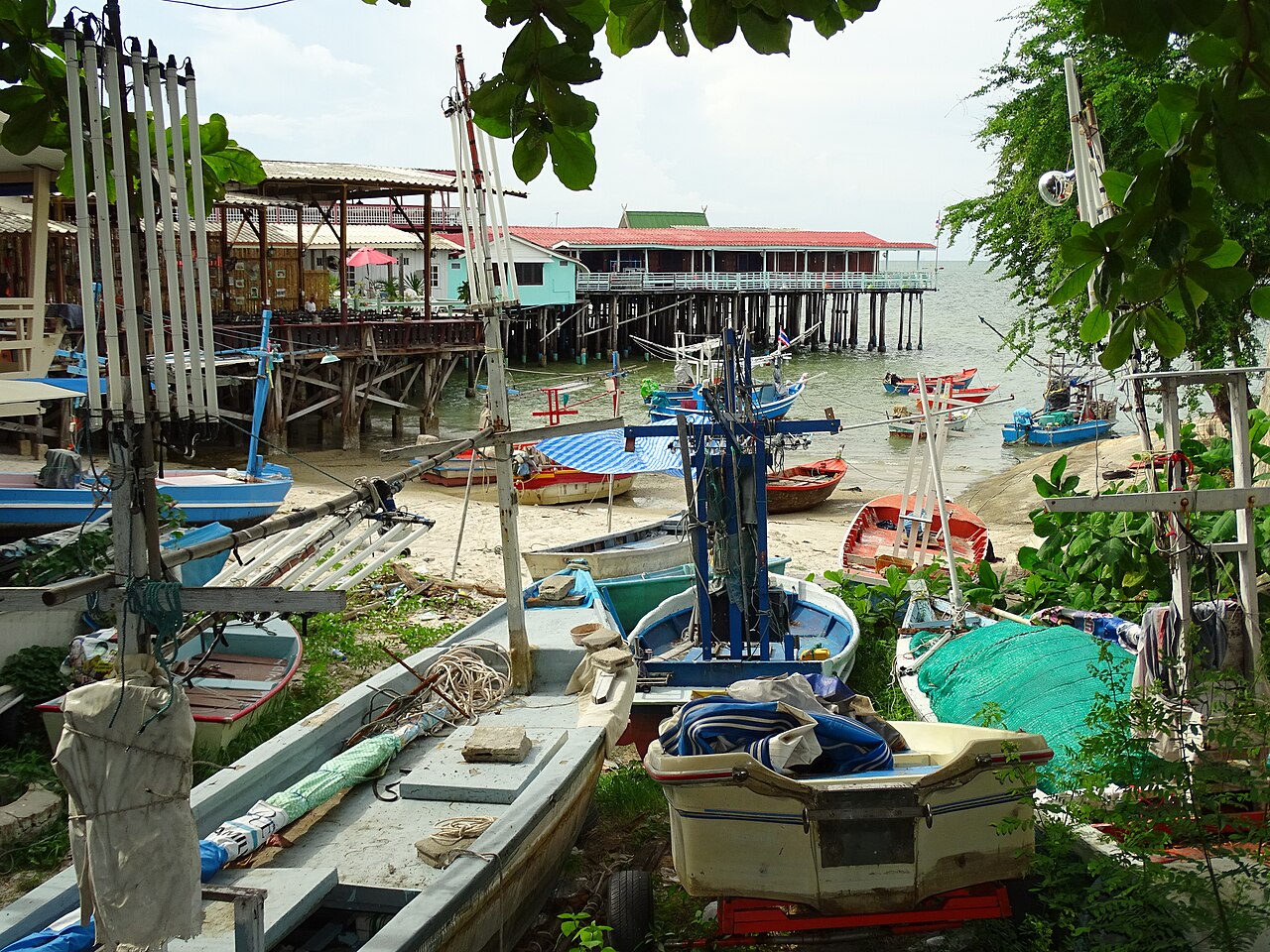
Reports from The Thaiger describe parts of 15 waterfront buildings being removed between the Hua Hin Fishing Pier and the Chao Mae Thap Thim Shrine, in Prachuap Khiri Khan province. Hua Hin Municipality runs the programme, using a private contractor on a 120-day agreement from 25 September 2026 to 22 January 2027.
The first phase is gentle. Crews start with empty buildings, signs, and parts that stick out over the sand or sea, and avoid areas with residents. Officials return on 22 October for a final inspection, and power and water to affected properties are due to be cut on 29 October after notice to owners.
Why now: a long legal road
This did not come from nowhere. A final Supreme Court ruling in 2014 ordered structures removed from public beachfront land, covering 40 property owners. Fourteen complied. The other 26 fought municipal orders that stopped them using their buildings, and the Supreme Administrative Court dismissed those challenges and refused temporary protection.
Of those 26, 15 fall to the municipality and 11 to the Marine Department, where funding and coordination are still being discussed. Mayor Nopporn Wutthikul says enforcement will be gradual to avoid confrontation, though police can act against anyone who obstructs the work. Two owners have said they will remove their own buildings.
Renting in Thailand near the sea: check the land, not the view
Most expats will never own a beach restaurant, but plenty rent next to one, or sign a long lease on a seafront unit. Renting in Thailand is usually cheap and flexible, which is its strength. It also means you carry little protection if a landlord loses the right to the ground under the building.
Before you pay a deposit on anything close to the water, ask to see the land document. A title deed (chanote) is the strongest. Weaker papers deserve a harder look. If the landlord cannot show who holds the land, treat the unit as temporary. Our recent piece on Chiang Mai property and renting covers lease basics that apply here too.
A sea view costs extra. A sea view on land that was never yours to sell costs everything.
Buying and the Thailand long stay question
Foreigners cannot own land in Thailand, so many buy condos, which sit on a registered condominium project, or take leases. Those are different from a beachfront shophouse built on public land. The ruling affects structures on public beach, not ordinary condo owners, but the lesson holds: check the land status before you commit money.
Property also links to visa planning. Some long-stay routes lean on investment or on a stable address, as our Phuket LTR and property use rights article explains. If a building is taken down, your proof of address and your 90-day reporting paperwork can wobble with it. If your Thai visa requirement depends on a registered address, keep a backup, such as a signed lease for a second property.
Hua Hin for retirees: still a strong pick
None of this makes Hua Hin a bad place to live. It stays one of the best places to live in Thailand for retirees who want calm, golf, and Bangkok within reach, and it is often cheaper than Phuket. If you plan to retire in Thailand, the cost of living in Thailand here is moderate, and a good private clinic is close. Thailand healthcare for foreigners is better priced than back home, but insurance still matters.
What changes is how carefully you pick a block. Beach clean-ups like this can ripple through local rents, restaurants and short-stay listings, so expect some noise in the market over the coming months. Our city guide compares Hua Hin with Chiang Mai, Phuket and Bangkok if you are still choosing.
What to do now
- Ask for the land document before any deposit or lease near the beach, and keep a copy.
- Keep leases short on waterfront units, with a clear refund clause if utilities are cut or the building is closed.
- Hold a backup address if your visa or reporting depends on one.
- Watch the 22 and 29 October dates and check with the municipality for changes.
- Insure your belongings and do not leave valuables in a unit that may lose power.
Living in Thailand key takeaways — 16 October 2026
- 15 Hua Hin beachfront buildings are being partly removed from public land, starting 16 October.
- Utilities are due to be cut on 29 October after a final inspection on 22 October.
- The legal case dates to 2014, so owners had years of warning.
- Renters carry the risk too. Ask who holds the land before paying a deposit.
- Hua Hin is still a good home, if you check the ground first.
Sources
- The Thaiger — demolition scope, dates, contractor and legal background
- Pattaya Mail — earlier report on the clearance starting 25 September
- Wikimedia Commons — Hua Hin harbour photo by Adam Jones, CC BY-SA 2.0 (resized)
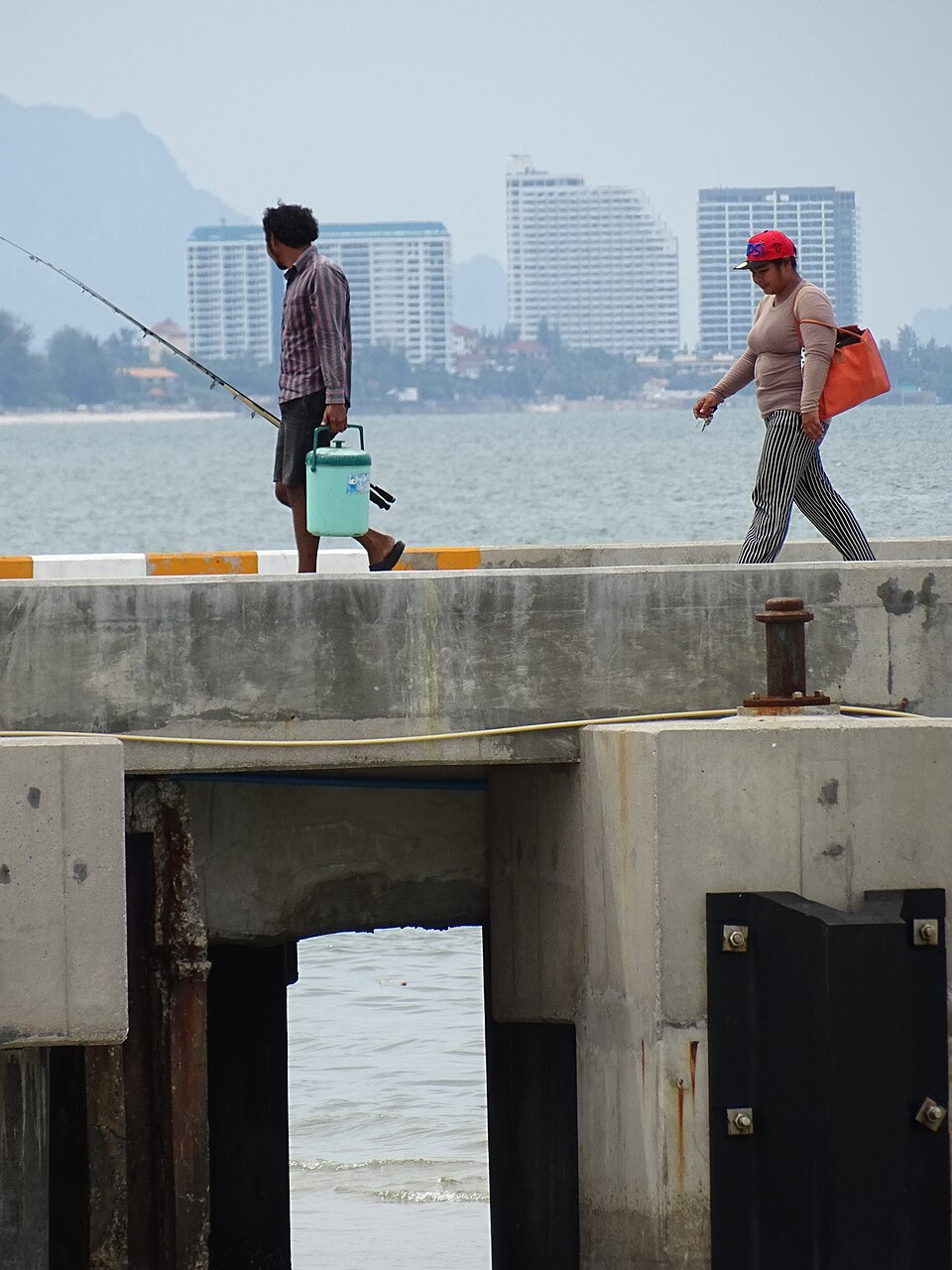
- Wikimedia Commons — Hua Hin pier photo by Adam Jones, CC BY-SA 2.0 (resized)
This article is for information only and is not legal advice. Dates come from press reports and may change; confirm with Hua Hin Municipality. Verified 16 October 2026.