Thai Visa Overstay: Phuket Arrest After 1,807 Days
A woman who entered on a 30-day exemption in March 2020 was found in a Phuket cooking class, nearly five years past her permission. Here is what a Thai visa overstay really costs, and how to stay on the right side of it.
The arrest took place on 13 October and she faces a charge of staying beyond permission with deportation being arranged. No change to Thai immigration rules has been announced. The fine and ban figures below are the commonly applied ones, so confirm them with Immigration.
Phuket — Every expat has a friend who says nobody checks a Thai visa overstay any more. This week's news says otherwise. Immigration officers dropped into a restaurant in Mueang Phuket, found a Portuguese woman taking a cooking lesson, and discovered through the biometric system that she was 1,807 days over. Here is the story, and the practical lessons for anyone on a Thai visa.
What happened in Phuket
According to The Thaiger, citing MGR Online, officers were running checks on suspected immigration offences in Ko Kaeo subdistrict at about 1.30pm on 13 October. The woman could not show her original passport and offered a photo on her phone instead.
A biometric search showed she had arrived at Suvarnabhumi on 20 March 2020 under the 30-day visa exemption. Phuket Immigration had granted an extension, but she never applied again once it ended. She was charged, informed of her rights, taken into custody and handed to investigators while deportation is arranged.
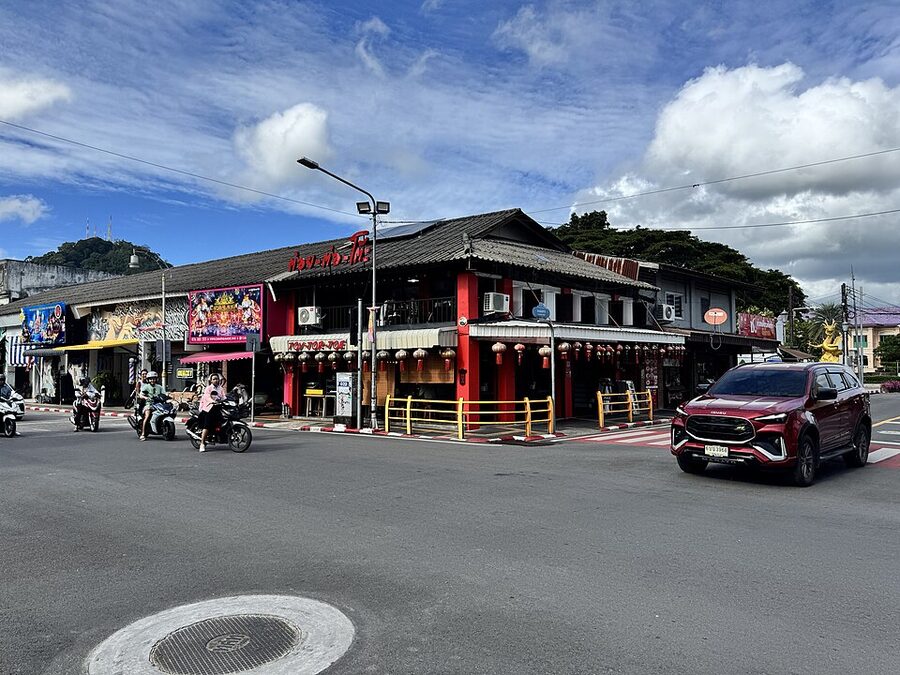
The Thai visa overstay fine: what you pay and when
The headline number is the daily fine. Under the rules Immigration commonly applies, an overstay costs 500 baht per day, capped at 20,000 baht. After about 40 days you have hit the ceiling, so a short overstay is cheap and a long one is not cheaper per day. The cap is not the real danger.
The real danger is the route by which you leave. Walk into an immigration office or check in at the airport and pay, and you are dealing with an administrative matter. Get found, and you are arrested, charged, held, and deported. That difference is the whole story of this week's case. Our overstay and 30-day stamp guide covers the counting rules in detail.
Thai immigration rules on bans and blacklists
Officials did not state a ban length for this woman. The bands usually quoted are one year for an overstay up to 90 days, three years for more than 90 days, five years for more than a year, and ten years for more than three years. By that table she would sit in the top band, but treat that as a reported guide rather than a promise.
A cheap fine and a long ban are two different bills, and only one of them shows up at the counter.
Bans are usually applied when you are deported or arrested, and surrender can soften the outcome. Rules and practice have shifted before, so ask the Immigration Division directly before you decide.
Why people overstay without meaning to
Few overstays are deliberate. Most come from a muddled Thai visa requirement: an extension that ended and was not renewed, a missed 90-day report that spiralled into worry about walking in, or a visa-exempt stamp whose length changed. The 30-day exemption rules introduced this autumn have caught many people counting to 60, as we explained in our 60-day stamp deadline piece.
Fear then makes it worse. People assume the fine is ruinous and stay hidden. In most cases the small penalty is the safer one to pay, and the sooner the better.
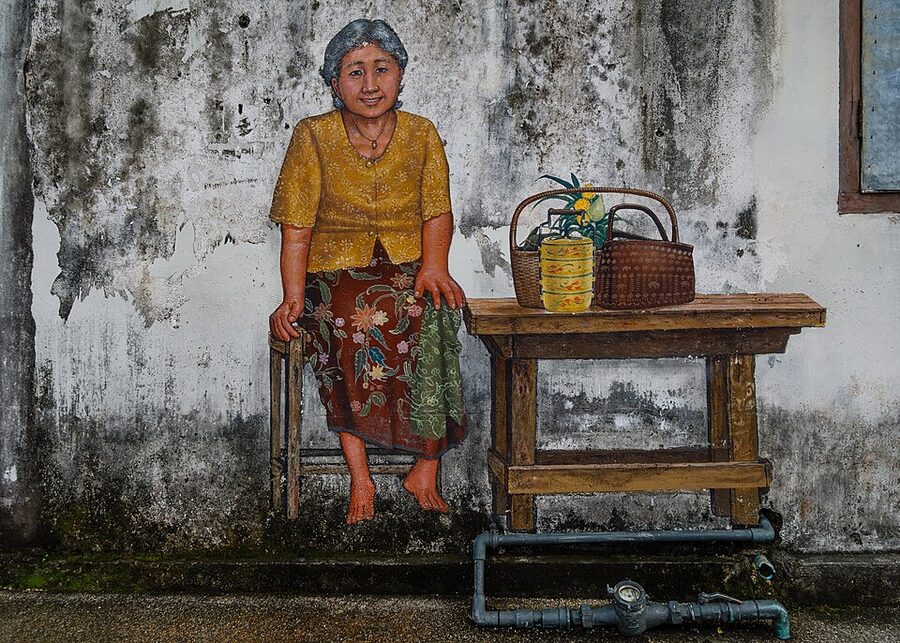
Phuket expat life: why the checks are real
Phuket digital nomad and retiree communities are big, and so is the enforcement attention. Officers there run spot checks at restaurants, hotels and rental addresses, and biometric records make a long-ago entry easy to pull up. Bangkok expat districts and Chiang Mai living hubs see the same tools, though local practice varies by office and officer.
If you are moving to Thailand, build a cost of living in Thailand budget with a visa line in it: agent fees, extension fees, 90-day reports and the odd taxi to an immigration office. Compare that with arrest, detention and a long ban and the visa line looks like the bargain it is.
Health matters too. An overstayer is usually uninsured, and Thailand healthcare for foreigners is expensive without cover, so a medical problem can force you into the open on the worst day. Our Thailand visa guide shows which route fits a longer stay, whether DTV, retirement or LTR.
What to do now
- Check your stamp date today. Photograph the entry stamp and the latest extension, and put the expiry in your calendar with a two-week warning.
- Carry your original passport. A phone photo did not help this woman, and officers can ask for it at a spot check.
- If you are already over, go in voluntarily. Self-reporting is usually treated more kindly than being found, but get advice first.
- Keep your 90-day reports and address notices current. Missed reports look like the start of an overstay.
- Ask the local office. Provincial practice differs, so confirm in writing where you can.
Thai visa key takeaways — 15 October 2026
- 1,807 days over, then arrested: a Phuket spot check and a biometric search ended a near five-year overstay.
- The fine is capped at 20,000 baht, but arrest, deportation and a long ban are the real cost.
- Reported ban bands run from one to ten years, so confirm the current table before acting.
- Walking in beats being found. Self-reporting is usually the safer route.
- Carry your original passport and keep every stamp date in your phone.
Sources
- The Thaiger, 14 October 2026 — arrest details, entry date, 1,807-day overstay (citing MGR Online)
- Wikimedia Commons — Phuket Old Town photo by JULIANISME, CC BY-SA 4.0 (resized)
- Wikimedia Commons — Phuket Town mural photo by Cccefalon, CC BY-SA 4.0 (resized)
This article is for information only and is not legal advice. Fine and ban figures are commonly reported guides and may change; confirm with the Thai Immigration Bureau. Verified 15 October 2026.