Living in Thailand: Expat Emergency Plan Checklist
A British consul in Chonburi has told expats to get their affairs in order before a crisis. If you are living in Thailand, here is the practical checklist: cover, paperwork, partners and passports.
This is advice, not a rule change. No Thai visa or immigration rule has changed. It follows a piece by George Barrie, British Honorary Consul in Chonburi, published in Pattaya Mail on 16 October. Legal details vary by nationality and situation, so take advice from a qualified lawyer.
Pattaya — Living in Thailand is easy to enjoy and easy to under-plan. This week a British honorary consul urged expats to prepare for emergencies, and the message is relevant whatever your passport. Thailand healthcare for foreigners is good, but the paperwork around illness and death is where a quiet retirement can turn into a mess for the people you leave behind.
What the consul actually said
The advice covers seven areas: health insurance, serious illness, what happens when an expat dies, unmarried partners, family overseas, wills, and your passport. None of it is new, and none of it is glamorous. That is exactly why so many people skip it.
The central point is simple. Without advance planning, procedures after a death can be complicated and slow, and older expats are the group most likely to be caught unprepared.
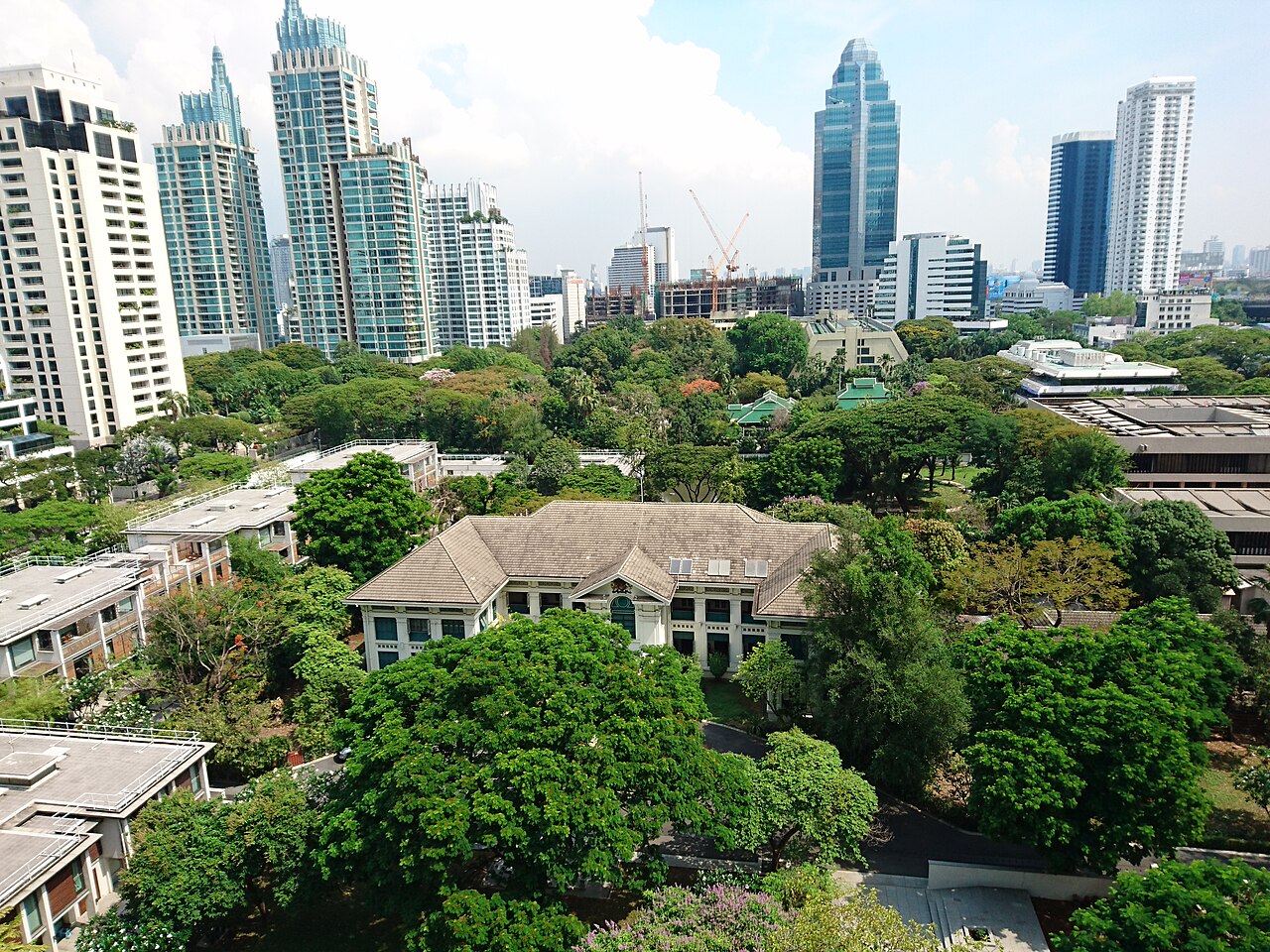
Health insurance: the first line of defence
Private hospitals in Thailand are excellent and priced accordingly. Cover comes in many levels, and the premium rises with the level of cover and with your age. The consul suggests speaking to a reputable insurer or agent and asking friends what they use.
My addition: ask friends who have actually claimed, not just bought. Our guide to six health insurance claim traps explains why a policy on paper and a payout in practice can differ. If a visa needs insurance, our health insurance rules article shows which routes demand it.
Power of attorney and medical wishes
If you become seriously ill, who speaks for you? The consul recommends legal advice on appointing a trusted person and writing down your wishes about treatment. A lawyer can explain what a power of attorney covers and whether medical decisions need a separate document.
Have documents prepared in both Thai and English. A hospital administrator, a bank and a district office all need to understand what they are reading.
A long-term partner is not automatically your next of kin in Thailand.
Unmarried partners: the biggest catch
This is the one that hurts. A partner of many years may have no legal authority to handle your affairs, sign at the hospital or deal with the authorities. For couples who retire in Thailand without marrying, paperwork replaces assumption. Put in writing who may act for you, and make sure that person can prove it.
Marriage also affects visa options, which we cover in our guide to the marriage Non-O visa, but legal status for emergencies is its own question and worth a lawyer’s hour.
Wills: Thailand and home must agree
Many expats hold assets in two countries. The consul advises taking legal advice on both and making sure the wills work together, appointing a trusted executor, and preparing Thai and English versions. Two wills that contradict each other can leave a family stuck for months.
Cost of living in Thailand is low enough that people forget they have real assets: a condo, a car, a bank account, a pension at home. Each one needs a named destination.
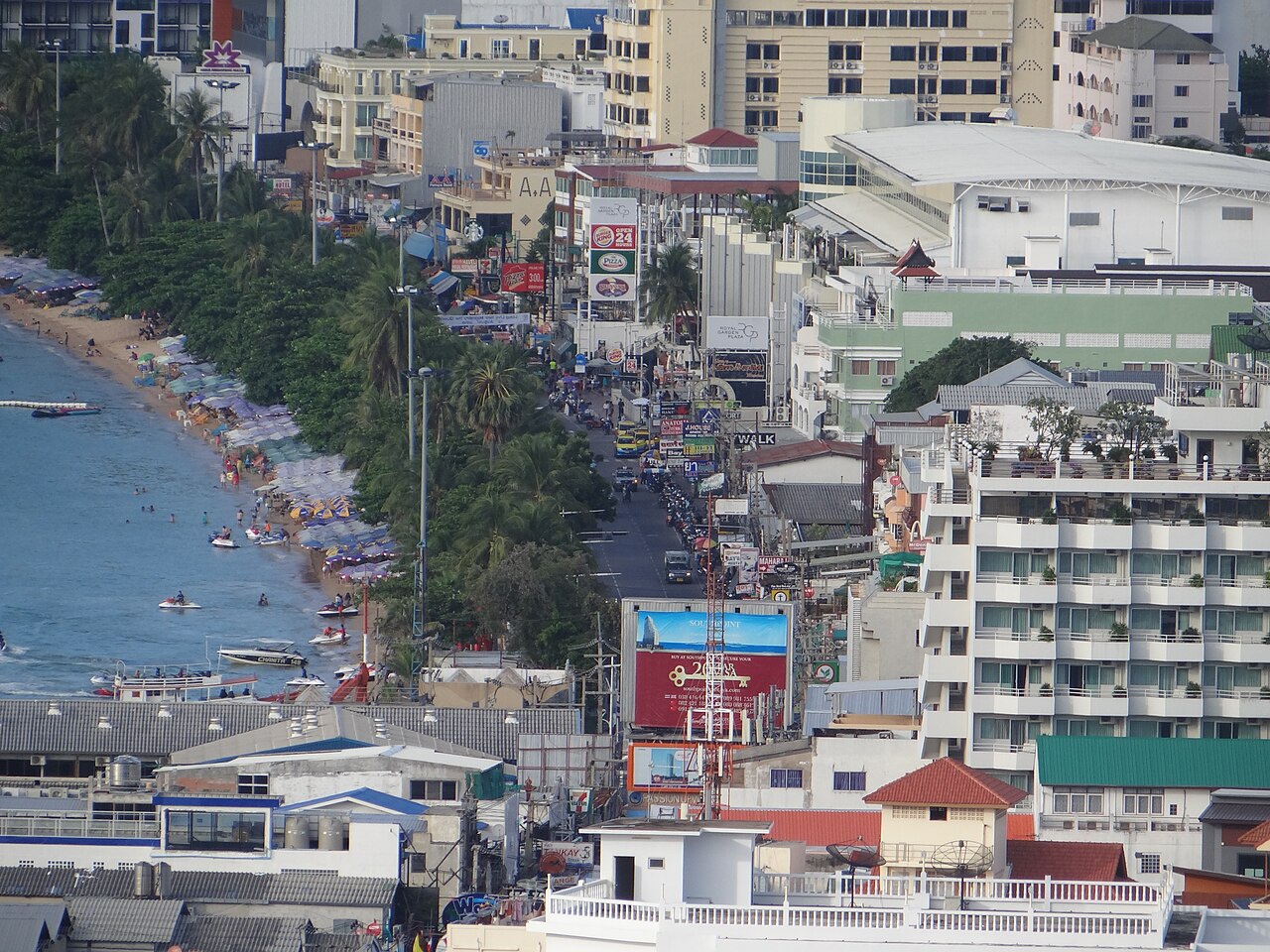
Family overseas and your passport
If your relatives are abroad, contacting them and collecting the required documents takes time, often more than people expect. Give someone local a folder: copies of your passport and visa pages, insurance policy number, a list of family contacts, and your lawyer’s details. Keep your immigration paperwork in it too, including your latest 90-day report slip and stamp pages, as the Thai visa requirement trail does not stop mattering if you are ill.
The consul also reminds readers to complete the emergency contact page in the passport. It costs nothing and it is the first thing an officer or hospital may look for.
Why this matters outside Pattaya
The advice came from the Pattaya area, but it fits a Bangkok expat in a condo, someone on Chiang Mai living on a pension, and a Phuket digital nomad on a DTV visa Thailand long stay. The further you live from a major hospital, the more your plan matters. If you are still choosing the best place to live in Thailand, include “how close is a good hospital and a lawyer who speaks English” in your shortlist. Our city guide compares the main hubs.
Your emergency checklist
- Review your insurance for outpatient limits, deductibles and age-related premium rises.
- See a lawyer about a power of attorney and medical wishes, in Thai and English.
- Check the status of any partner and write down who may act for you.
- Align your wills in Thailand and at home, and name an executor.
- Make a folder for a trusted local contact with copies of key documents.
- Update your passport’s emergency contact page and save your embassy’s number: British Embassy Bangkok is +66 (0) 2305 8333.
Living in Thailand key takeaways — 18 October 2026
- Plan while healthy. Insurance, power of attorney and wills are far harder to arrange in a crisis.
- Unmarried partners have no automatic authority. Put it in writing.
- Use bilingual documents in Thai and English.
- Make home and Thai wills agree and appoint an executor.
- Embassies advise, they do not run your affairs. Your own paperwork does the work.
Sources
- Pattaya Mail — advice from George Barrie, British Honorary Consul in Chonburi (16 October 2026)
- Wikimedia Commons — British Embassy photo by Paul_012, CC BY-SA 3.0 (resized)
- Wikimedia Commons — Pattaya Beach Road photo by RussianSpy, CC BY-SA 4.0 (resized)
This article is for information only and is not legal or insurance advice. Rules on wills, powers of attorney and estates differ by nationality; consult a qualified lawyer. Verified 18 October 2026.