Moving to Thailand: Nationwide Nominee Land Crackdown
The prime minister has ordered every land office in the country to hunt for Thai nominees holding property for foreigners, with a December deadline for the riskiest cases. If you are moving to Thailand and plan to buy, here is what changed and what to check.
This is an enforcement campaign, not a new law. No Thai visa rule has changed. Details come from Thaiger’s report of the prime minister’s 19 October announcement. Reports so far name no provinces and give no case count, so we flag where we are reading between the lines.
Bangkok — Anyone moving to Thailand with property in mind just got a sharper warning. On 19 October 2026 Prime Minister Anutin Charnvirakul announced what he called a nationwide crackdown on nominee land ownership, directing the Department of Lands and provincial governors to push investigations hard and finish the high-risk ones by December.
What the government actually announced
A nominee arrangement is where a Thai person or company holds land on behalf of a foreigner to get round the ban on foreigners owning land. The campaign has three strands: investigate, enforce and prevent.
On investigation, officers will be assigned to individual files, with high-risk cases concluded by December 2026. All 462 land offices must examine suspicious corporate landholdings. In September the government was already reviewing more than 11,000 companies linked to land worth about 85 billion baht.
On enforcement, land found to be held unlawfully can be forced onto the market, and buyers will be vetted so it does not simply pass to another nominee. The prime minister suggested enforced sales could return tens of billions of baht to circulation, though no timetable was given.
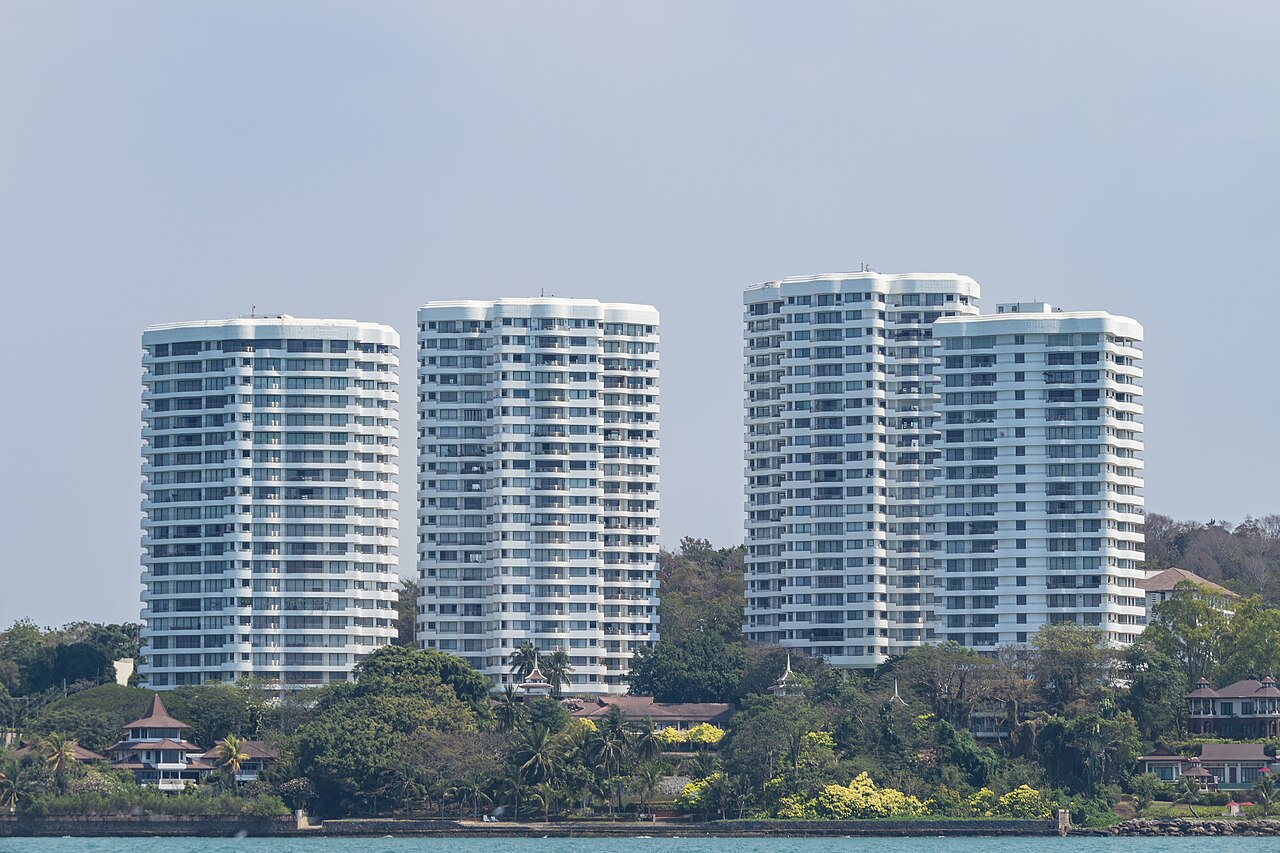
Why this matters for moving to Thailand
The key change is in method. Investigators are told to look past title deeds and company registers to see who really controls the property and who benefits financially. That means company ownership, bank transactions and asset trails. A tidy paper structure no longer protects you if the money tells a different story.
Possible outcomes, depending on the case and the law, include revocation of land rights, deportation and even citizenship proceedings for those who gained Thai nationality. Wider networks may be referred to other agencies. We covered the earlier raids in our nominee property raid report and the company angle in the nominee company crackdown; this announcement widens both to every province.
If the only reason a Thai name is on your land is that you cannot be, the structure is the problem.
Buying versus renting in Thailand
The announcement is not hostile to foreigners as such. The prime minister stressed that legitimate foreign investment, including under investment promotion law, remains welcome. The lawful routes are narrow but real: a condo unit within the 49 percent foreign quota, a registered leasehold, or a building you own on land you do not.
For most newcomers, renting in Thailand remains the sensible first step. It costs little, keeps your cash liquid and avoids any ownership risk while you work out the best place to live in Thailand. Many Bangkok expat renters and Phuket digital nomad residents stay in rented condos for years without issue.
Rent is also the biggest line in any cost of living in Thailand budget, so choose carefully. Our look at Bangkok’s condo glut and renting shows where renters may have leverage.
Where the pressure is likely to fall
Reports name no provinces, so this is our reading, not an official list. Coastal and island areas where foreigners cluster, such as Phuket, Koh Samui and Pattaya, have long been associated with nominee-style villa and land deals, and they are the obvious places to expect scrutiny. Bangkok condos sit in a different legal category and are less exposed.
Phuket is worth a second look if you are using the Long-Term Resident route, since property use rights there are a related but separate matter; see our note on Phuket LTR property use rights.

The catches nobody mentions
Many people believe a lease on a villa is automatically safe. It is not if the landlord is a company with no real business that exists only to hold your plot. Equally, a Thai spouse’s name on a title can attract questions if the funds came from you.
There is also a visa angle. A home purchase does not give you a right to stay, and a dispute over property will not help any extension or Thai visa requirement you must meet. Whether you rely on a DTV, a retirement extension or another route, keep your immigration position clean and separate from your property position.
Your checklist before buying or leasing
- Confirm the title type at the land office, in person, before paying a reservation fee.
- For a condo, check the building’s remaining foreign quota and keep your foreign-currency transfer slips.
- Be wary of any company offered to hold land for you. A genuine business needs genuine activity.
- Prefer a registered lease over informal arrangements, and note its length and renewal terms.
- Hire an independent Thai property lawyer, not one introduced by the seller.
- If already in a nominee deal, get legal advice now rather than waiting for a letter.
- Rent first if you are new, and match any lease to your permission to stay.
Moving to Thailand key takeaways — 20 October 2026
- It is an enforcement drive, announced 19 October, with high-risk cases due to conclude by December 2026.
- All 462 land offices must check suspicious corporate landholdings, looking at who really benefits.
- Penalties can be severe, from forced sales to revoked land rights and deportation.
- Lawful routes remain: condo quota units and registered leaseholds.
- Renting first is safest while the rules are being tested.
Sources
- Thaiger — Thailand sets December deadline for nominee land investigations (19 October 2026)
- Wikimedia Commons — Royal Cliff Garden Condominium, Pattaya, photo by iMahesh, CC BY-SA 4.0 (resized)
- Wikimedia Commons — view from Centara Villas Phuket, photo by Phong Phat G, CC BY-SA 3.0 (resized)
This article is for information only and is not legal or property advice. Ownership rules depend on the land, the structure and your circumstances; consult a qualified Thai property lawyer and verify at the local land office. Verified 20 October 2026.